


Security Guards Services

Static Guards vs CCTV: Best Construction Site Protection Option?
Prevent Theft of Construction Equipment & Building Materials

Static Guards vs CCTV: What's Best for Construction Site Protection?

Builders usually frame this as an either/or decision. It rarely is one. CCTV and static guards solve different problems, and most sites that rely on only one end up with a gap the other would have covered.

This guide compares both options honestly including where CCTV genuinely outperforms a guard, and where it doesn’t, so you can work out what your specific site actually needs. CCTV is best for continuous documentation and cost-effective deterrence across a fixed area. Static guards are best where someone needs to physically intervene, verify identity, or respond immediately.

Most higher-risk Melbourne construction sites get the strongest protection from combining both rather than choosing one.

The Core Difference Between CCTV and Static Guards

CCTV records and alerts; a static guard is the only option that can physically intervene in real time.

A camera, even a good one with AI-based motion detection, does one of two things when it detects a threat: it records footage, or it sends an alert to someone who then has to decide what to do and how fast they can act on it. A static guard skips that entire chain — they’re already on-site, already able to challenge unauthorised access, and already positioned to respond the moment something happens.

This isn’t an argument against CCTV. It’s the actual distinction that should drive your decision, and it’s the one most comparison articles gloss over because CCTV providers and guard companies each tend to oversell their own side.

What CCTV Does Well

CCTV provides continuous, low-cost coverage across a wide area, creates a permanent evidence record, and deters casual, opportunistic theft simply by being visible.

  1. Cost-effective 24/7 coverage — once installed, a camera system covers every hour without additional per-shift cost.
  2. Evidence for insurance and police — recorded footage is the clearest documentation you can provide after an incident.
  3. Wide-area coverage — multiple cameras can cover a whole perimeter, something one guard physically can’t do simultaneously.
  4. Deterrence through visibility — visible cameras and signage discourage opportunistic thieves who are looking for an easy, unwatched target.
  5. Progress and dispute resolution — footage doubles as a record for verifying deliveries, resolving contractor disputes, or confirming work completed at a given date.

Where CCTV Falls Short

CCTV can’t stop an incident while it’s happening, is vulnerable to being disabled or stolen itself, and is only as good as whoever is actually watching or responding to its alerts.

  1. No physical intervention — a camera can record someone cutting a padlock. It can’t stop them.
  2. Alert fatigue and false alarms — motion-triggered systems can generate frequent false alerts from wind, wildlife, or passing traffic, and every false alarm makes the next genuine one more likely to be under-reacted to if a human isn’t reviewing alerts properly.
  3. Response still requires a person — even the most advanced AI-monitored camera system ultimately needs someone to verify the alert and dispatch a response, which takes time a static guard on-site doesn’t need.
  4. Cameras can be targeted directly — experienced thieves increasingly look for and disable or steal cameras before proceeding, particularly on sites without a monitored, rapid-response backup.
  5. No access control function — a camera can’t check ID, manage a sign-in process, or challenge someone claiming to be a legitimate contractor.

What Static Guards Do Well

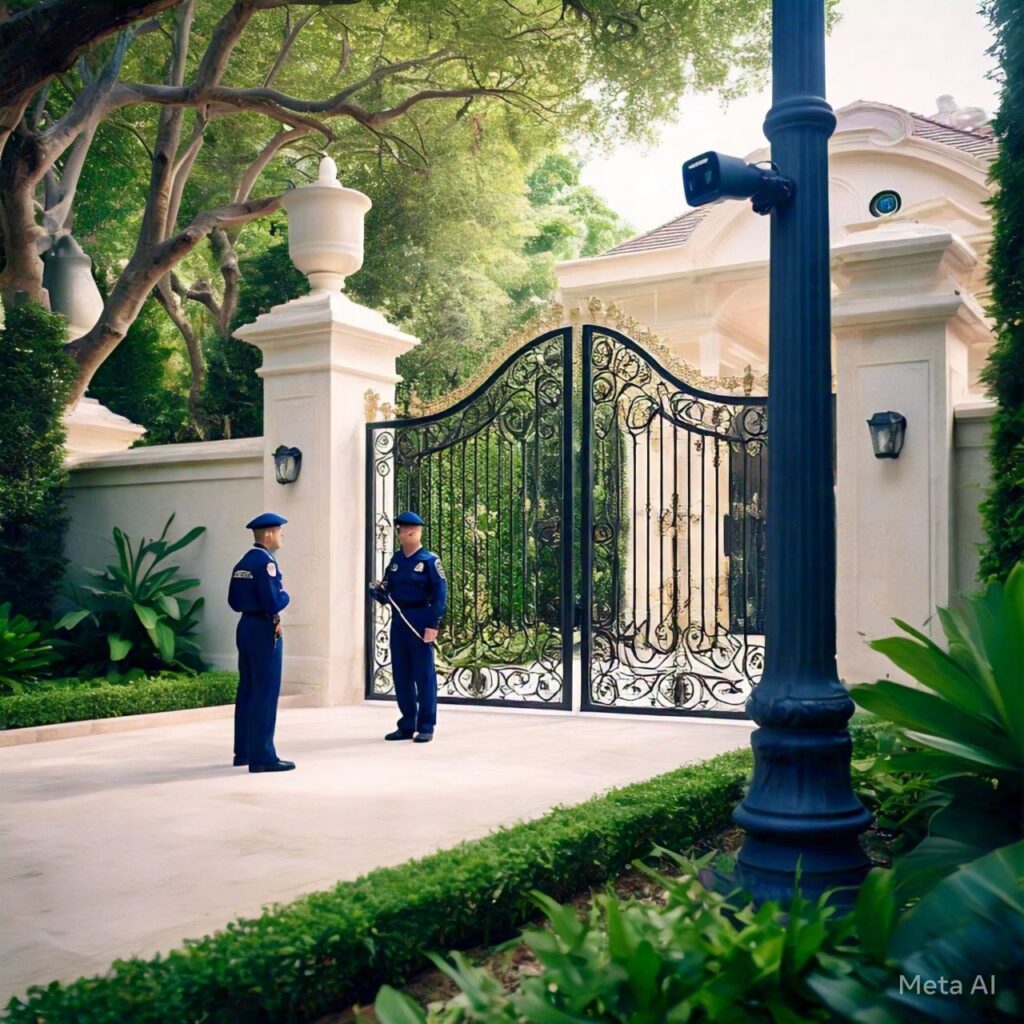
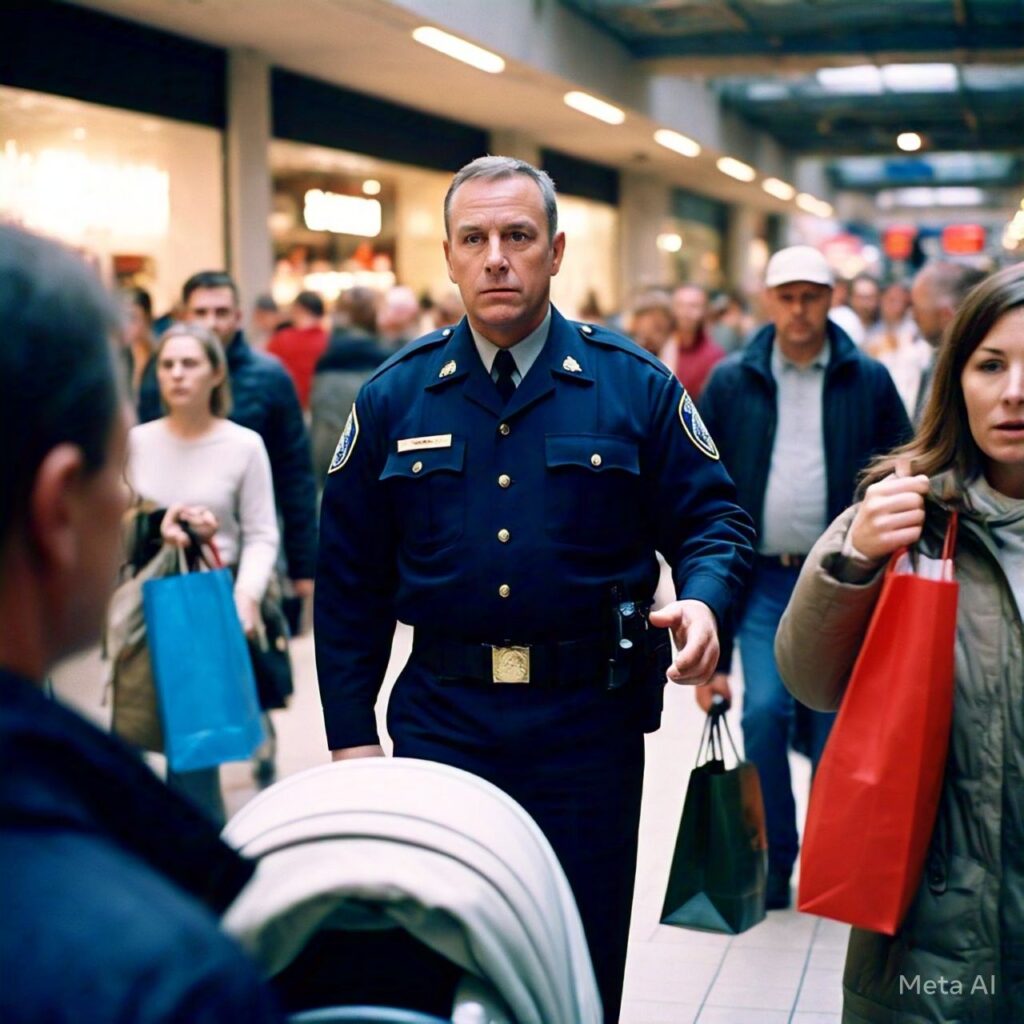
Static guards provide immediate, on-the-spot intervention, manage access control directly, and adapt to situations in ways no camera system can.

  1. Zero response delay — a guard already on-site doesn’t need to be dispatched; they’re already there when something happens.
  2. Active access control — checking ID, managing sign-in logs, and challenging unfamiliar faces during work hours, which is where a large share of “internal” theft actually occurs.
  3. Judgement and adaptability — a guard can assess an ambiguous situation (a legitimate late-night contractor versus a genuine intruder) in a way automated systems still can’t reliably replicate.
  4. Coordinated emergency response — first aid, incident management, and direct coordination with police or site management in real time.
  5. Deterrence through direct presence — a visible, physically present guard is a stronger deterrent than a camera to anyone already willing to risk detection.

Where Static Guards Cost More Than They Need To

Static guards are the more expensive option per hour, and paying for 24/7 static coverage on a site that only needs overnight protection is a common way builders overspend.

A guard sitting at an empty site through a quiet Tuesday afternoon isn’t adding much value if the real risk window is Friday night through Monday morning.

This is where many builders get the maths wrong — assuming “more guard hours” is always safer, when matching guard hours to your actual risk window is what actually controls cost without sacrificing protection.

Response Time: The Deciding Factor Most Builders Miss

Response time is the single biggest practical difference between the two options — a static guard has effectively zero response delay, while any camera-based system depends on detection, alert, verification, and dispatch, each step adding time before anyone actually arrives.

Security industry benchmarks generally treat rapid response — often measured in minutes — as critical to preventing an incident from escalating, particularly in high-risk environments. A monitored camera system still has to complete several steps before a response arrives on-site: the system detects movement, an operator reviews and verifies the alert, and only then is a decision made to escalate to police or dispatch a mobile patrol. Even with modern AI filtering most of the false positives out of that pipeline, the travel time to a physical response remains.

A static guard removes every one of those steps. They’re already there. This is precisely why static guards remain the strongest option for the highest-risk windows — typically overnight and weekends — even on sites that use CCTV for the rest of their coverage.

Cost Comparison

CCTV has a higher upfront cost and low ongoing cost; static guards have minimal upfront cost but an ongoing hourly cost that scales with coverage hours.

FactorCCTVStatic Guard
Upfront costEquipment, installation, possible monthly monitoring feeMinimal — no equipment purchase required
Ongoing costLow, fixed monthly monitoring feeScales directly with hours of coverage
Best value scenarioLong-duration projects, wide perimeter coverageShort-term projects, specific high-risk windows
Cost if over-provisionedCameras unused/unmonitored on low-risk sitesGuard rostered for hours with minimal actual risk

For a full breakdown of what typically drives construction security pricing in Melbourne, see our construction site security services page, which covers cost factors specific to guard coverage.

Side-by-Side Comparison Table

FactorCCTVStatic Guard
Physical interventionNoYes
Response timeMinutes (detection + verification + dispatch)Immediate
Access controlNoYes
Coverage areaWide, multiple points simultaneouslyLimited to guard’s physical location
Evidence/documentationStrong — continuous recorded footageWritten incident reports, photos
DeterrenceModerate — visible but passiveStrong — active, visible presence
Cost profileHigher upfront, lower ongoingLow upfront, higher ongoing
Best suited toWide perimeters, long-duration, lower-risk sitesHigh-risk windows, access-controlled areas, sites needing intervention

Which Option Suits Your Site

Choose CCTV if your priority is continuous, wide-area evidence at low ongoing cost. Choose a static guard if your site needs active access control or rapid physical intervention during specific high-risk windows.

  • Small residential build, lower-value materials → CCTV alone is often sufficient, paired with the fencing and locked-storage basics covered in our construction site security checklist.
  • Large commercial site with high-value machinery → static guard coverage for overnight/weekend windows, CCTV for continuous documentation across the full perimeter.
  • Site with frequent contractor and delivery traffic → static guard during work hours for access control, since this is where a camera’s lack of intervention capability matters most.
  • Multi-site builders with several smaller projectsmobile patrol security often bridges the gap, delivering a physical response across several locations without the cost of a dedicated static guard at each one.

Why Most High-Risk Sites Use Both

CCTV and static guards cover each other’s weaknesses — cameras extend coverage and documentation beyond what one guard can physically watch, while guards provide the intervention a camera never can.

The strongest setup we see on higher-risk Melbourne sites isn’t CCTV instead of guards, or guards instead of CCTV — it’s both, working together. Cameras cover the full perimeter continuously and create a documented record. A guard, positioned at the main access point or patrolling during the highest-risk hours, provides the actual physical response a camera can only request and wait for.

Our guide on integrating CCTV and security guards for better property protection walks through exactly how the two systems work together in practice, including how guards use live camera feeds to direct their patrols rather than relying on fixed rounds alone.

Decision Tip: If you’re only budgeting for one, choose based on your biggest actual gap — evidence and wide coverage (CCTV), or intervention and access control (guard) — rather than assuming one is a universal upgrade over the other.

Conclusion

The real question isn’t “CCTV or a guard” — it’s which specific gap your site can least afford to leave open. If that gap is documentation and wide-area coverage, CCTV earns its cost. If it’s access control or immediate intervention during your highest-risk hours, a static guard is the option that actually closes it.

For most Melbourne builders, the right answer ends up being both, scaled to the project’s actual risk rather than a flat, one-size-fits-all package. Our team can assess your site and recommend the right combination — see our full construction site security services for what’s included

Not Sure Which Option Fits Your Site?

Every project’s risk looks different. Get a free, no-obligation assessment and we’ll recommend the right mix of guards, patrols, and technology for your actual site

Related Posts: