


Security Guard Equipment List Australia: The Complete 2026 Guide
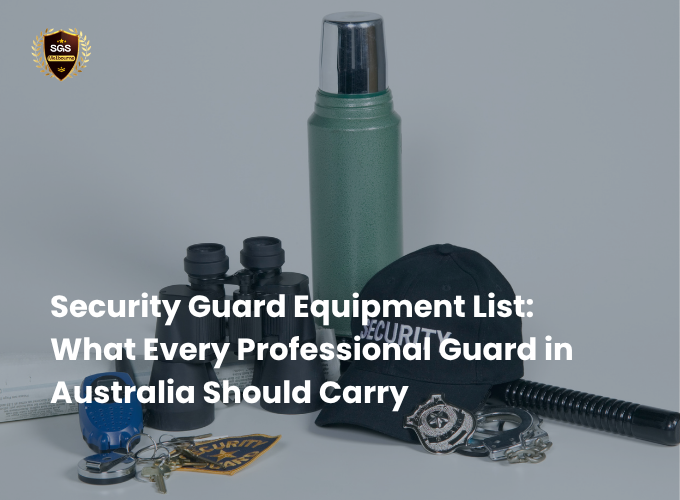
Security Guard Equipment List: What Every Professional Guard in Australia Should Carry
A guard’s equipment tells you a lot about the company standing behind them. Two guards can wear the same uniform and still be worlds apart in how prepared they actually are.
If you’re hiring security for a construction site, retail store, office, or event, knowing what proper equipment looks like helps you evaluate a provider before you sign anything. This guide breaks down the full security guard equipment list used across Australia in 2026, what’s legally restricted, and what to ask your provider before booking.
Why Equipment Matters When Hiring Security
Proper equipment affects a guard’s ability to communicate, document incidents, respond to emergencies, and prove their actions were professional and compliant.
Under-equipped guards can’t do their job properly, no matter how experienced they are. A guard without a working radio can’t call for backup. A guard without incident reporting tools can’t create the patrol logs your business may need for insurance or legal purposes.
Equipment standards also signal how seriously a provider takes risk management and duty of care. Businesses evaluating a security company should treat equipment as part of the due diligence process, not an afterthought.
Did You Know? In an incident dispute, a guard’s notes, timestamps, and photos are often the first evidence reviewed — before CCTV footage is even pulled.
Standard Uniform and Identification
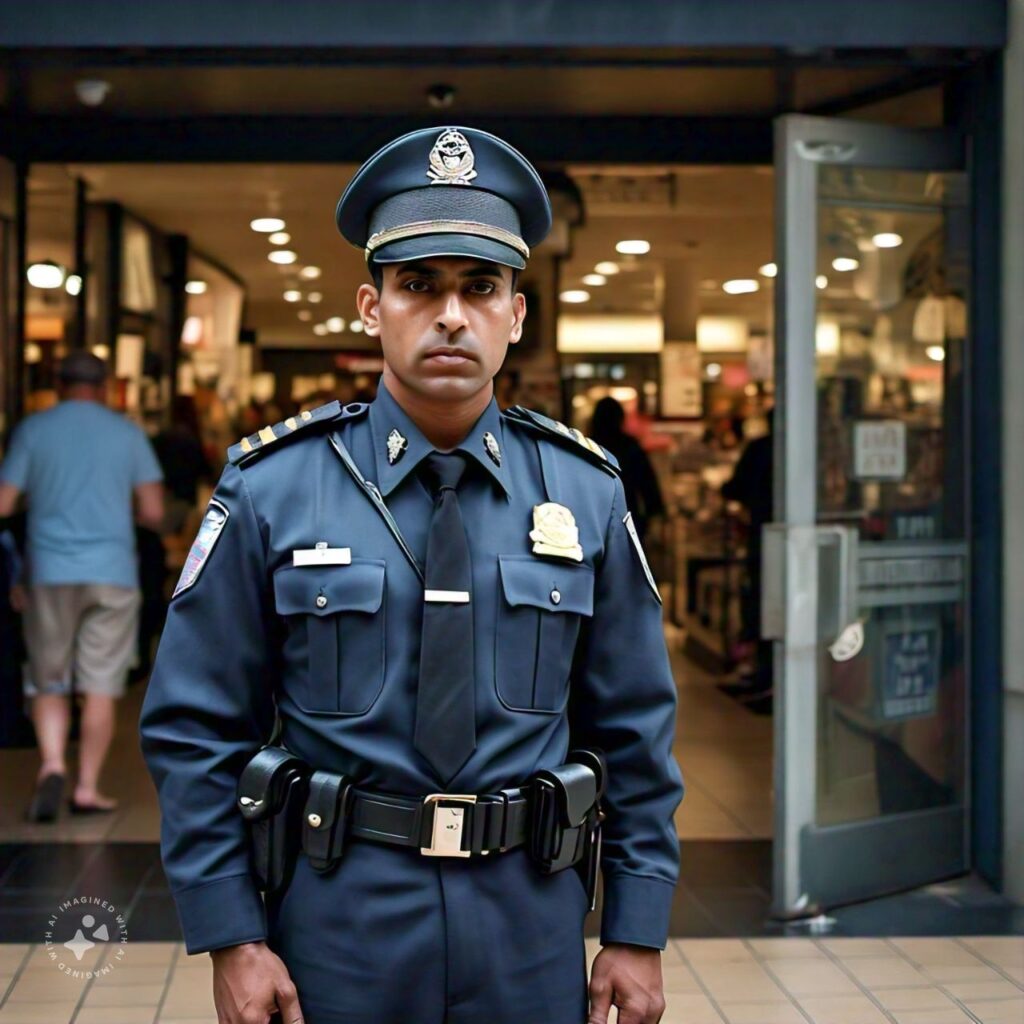
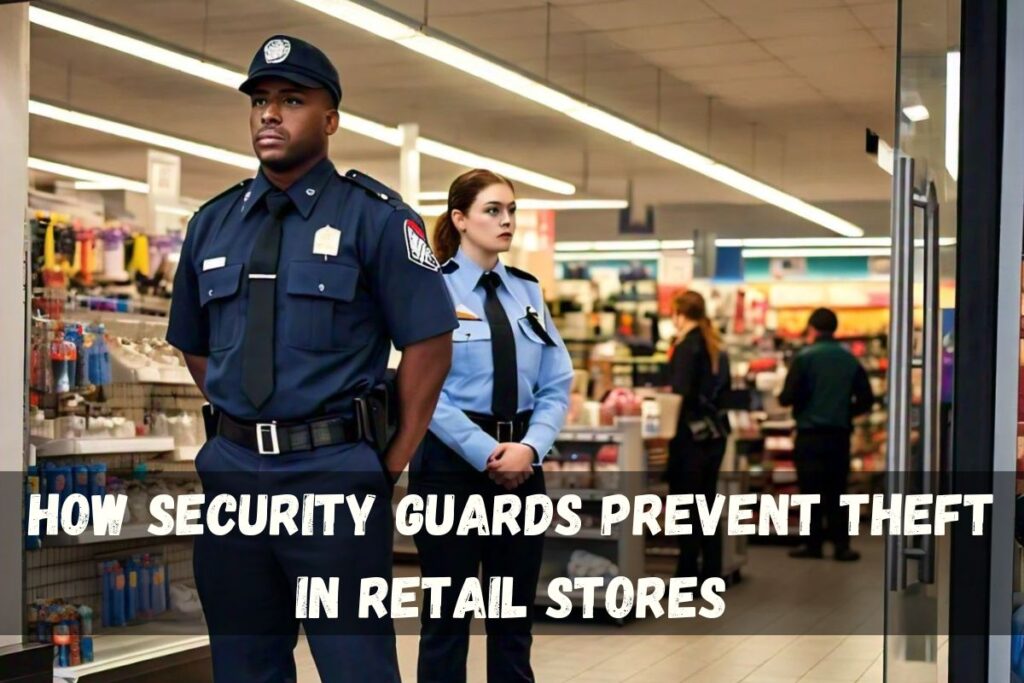
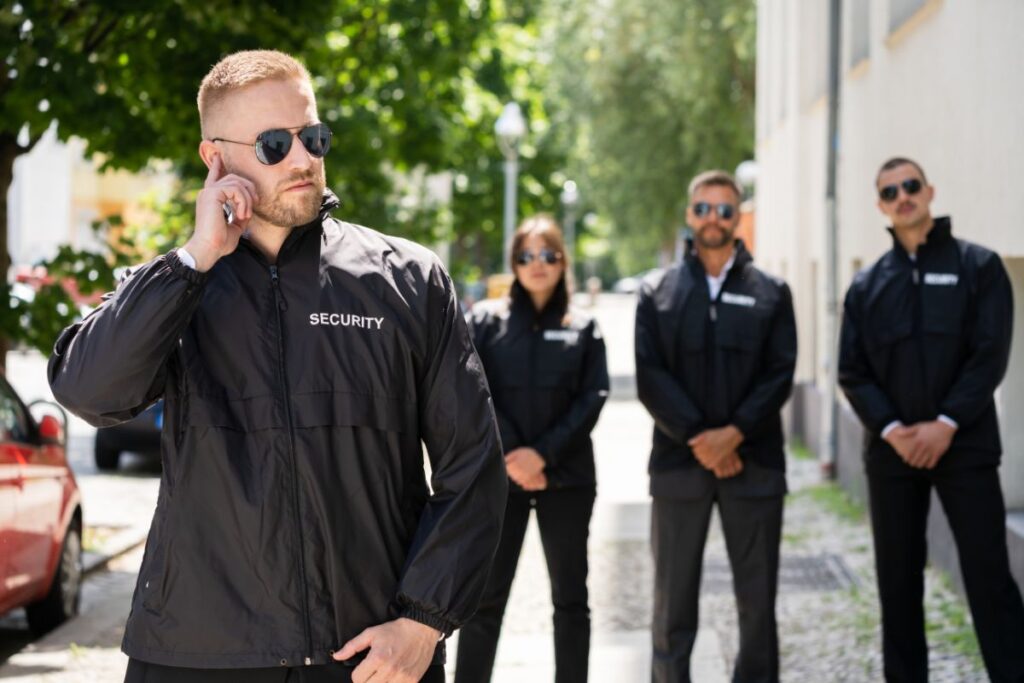
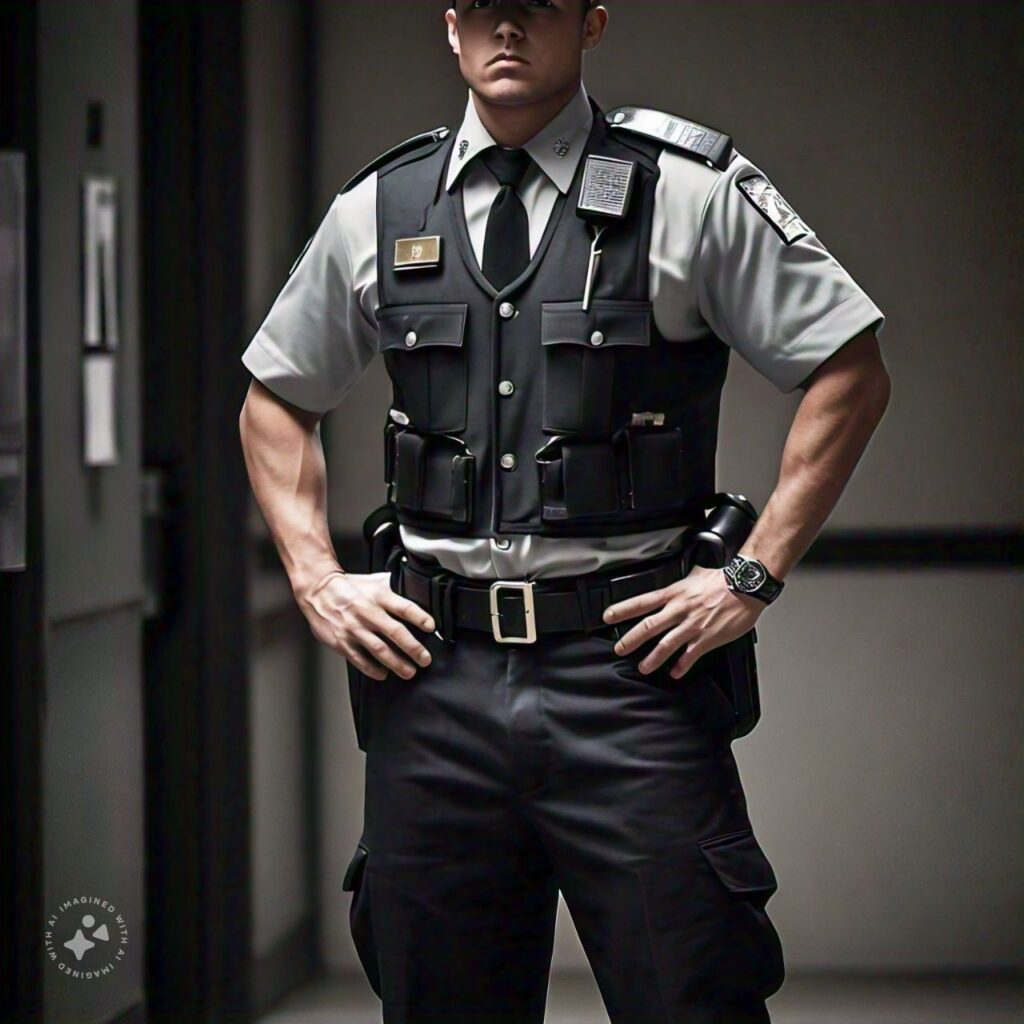
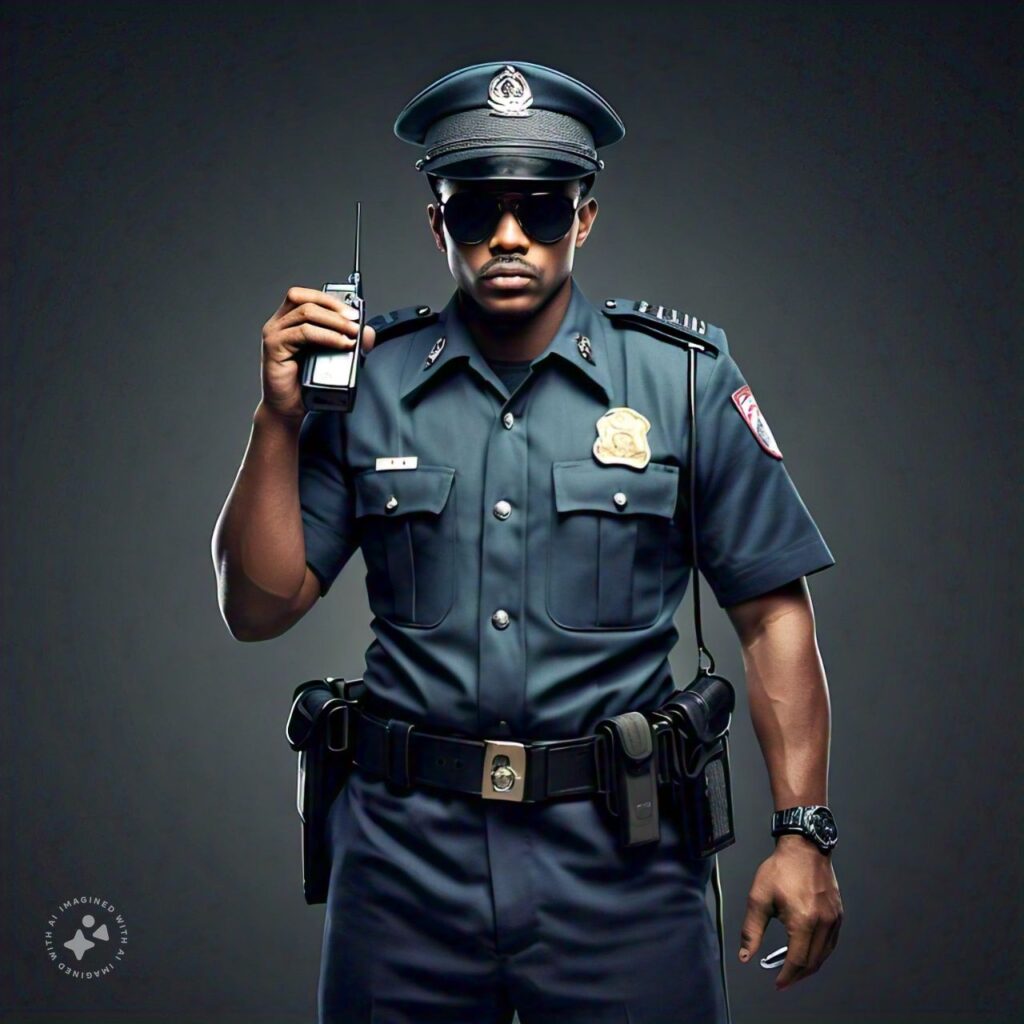
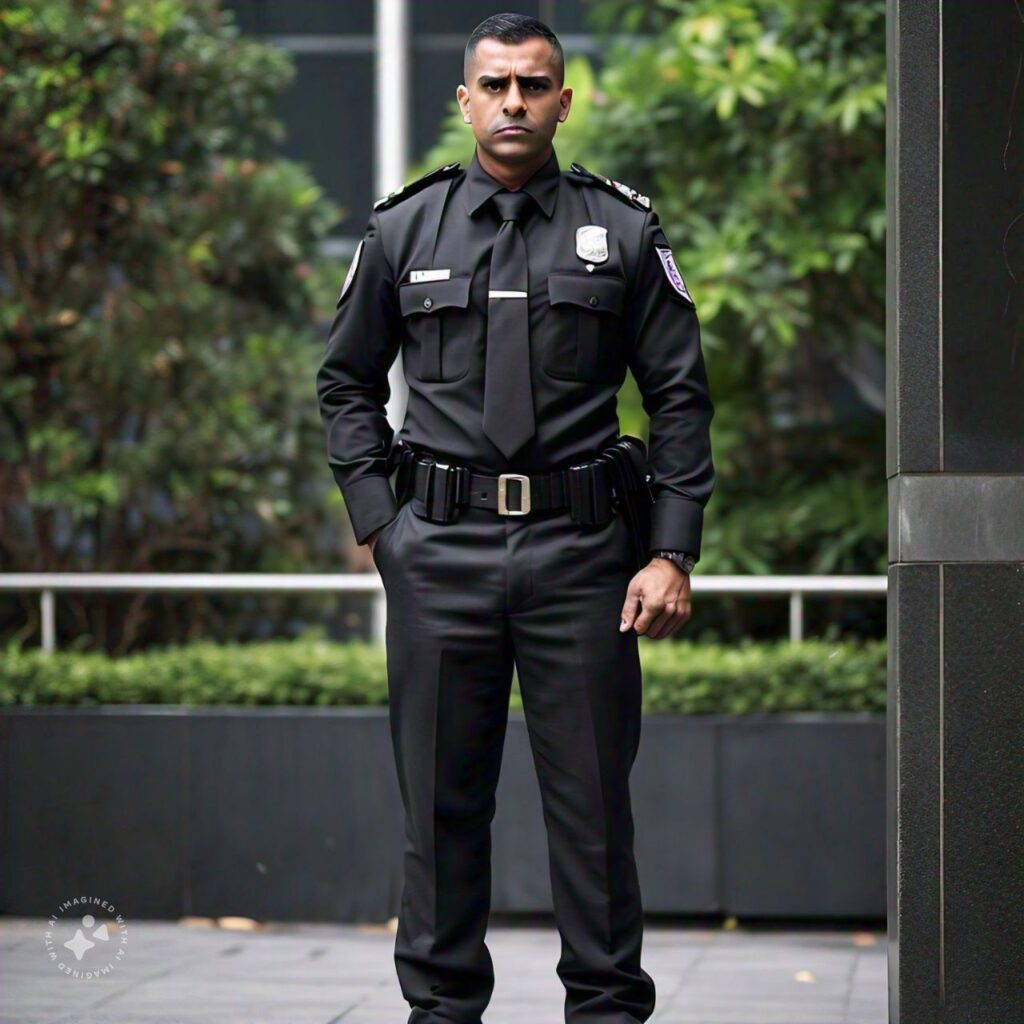
Every licensed guard should wear a clearly identifiable uniform, a visible licence badge, and appropriate footwear suited to the role.
- Uniform — typically a branded shirt, trousers, and jacket in the provider’s colours. Crowd control and event roles often require high-visibility elements.
- Licence identification — Australian law requires guards to visibly display or carry their security licence while on duty. Learn more about why security uniforms are essential.
- Footwear — sturdy, slip-resistant boots designed for long shifts and, on construction sites, compliant with workplace safety standards.
- Weatherproof outerwear — wet-weather jackets for outdoor static and patrol roles.
Expert Tip: Ask your provider whether guards carry a spare uniform item (jacket or vest) for extended or unexpected shifts. It’s a small detail that reflects operational discipline.
Communication Equipment
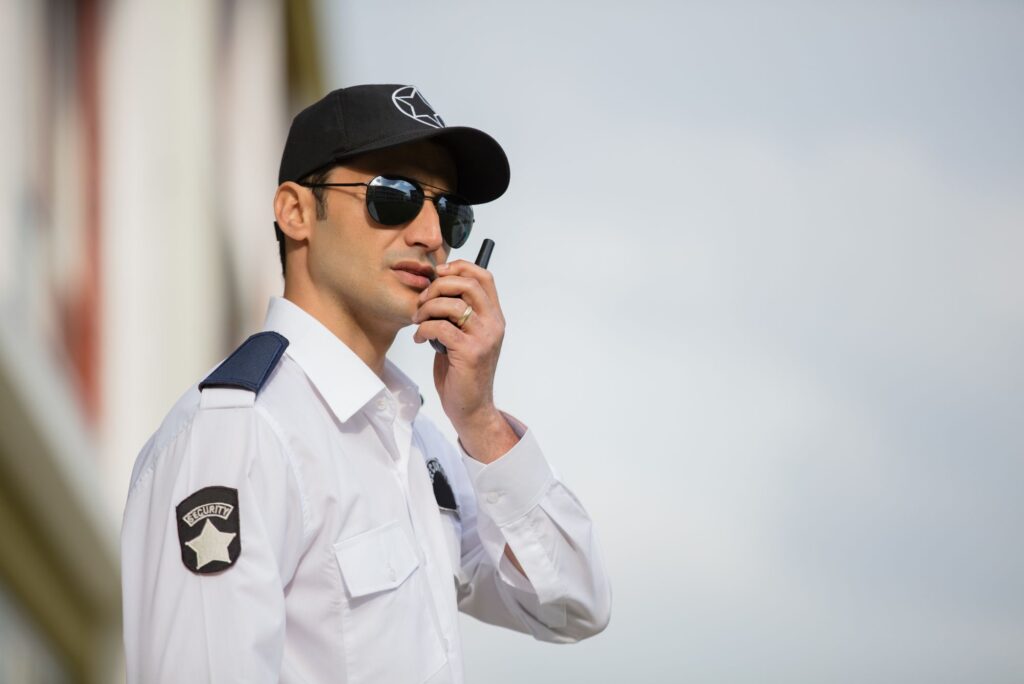
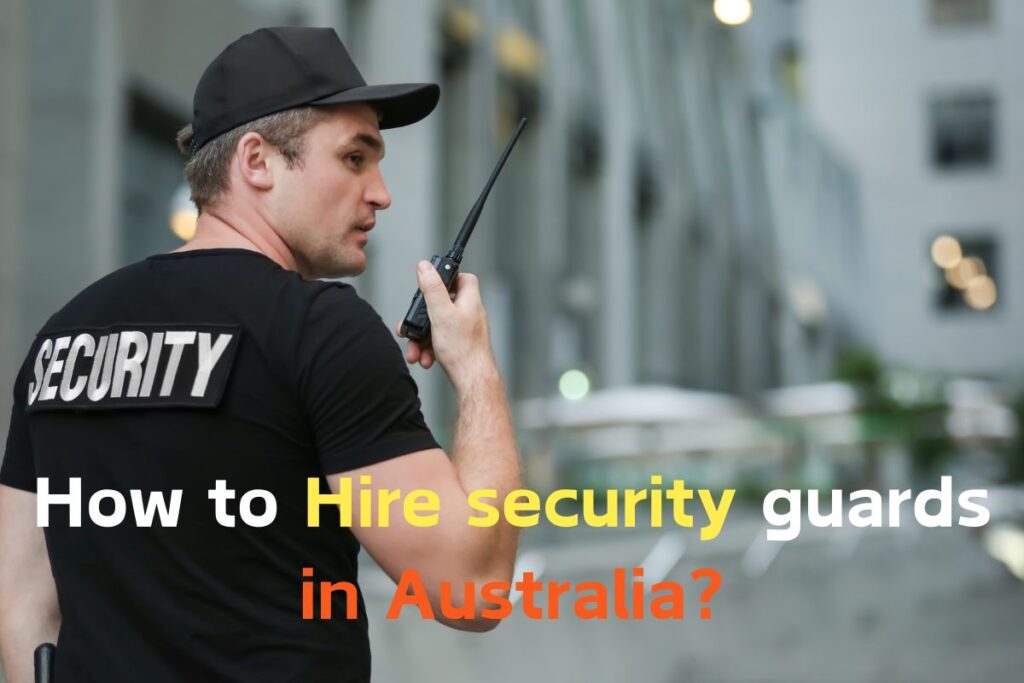
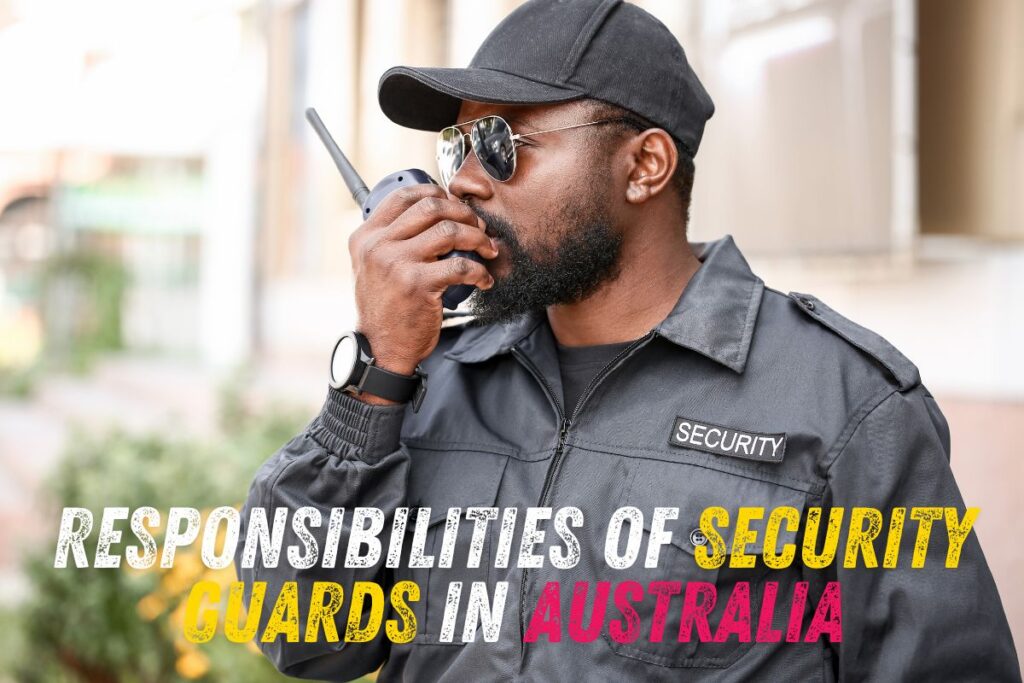
Two-way radios remain the primary communication tool for security guards, supported by mobile phones and, increasingly, app-based dispatch systems.
- Two-way radio — instant, reliable contact with control rooms and nearby guards, especially where mobile signal is weak.
- Mobile phone — used for emergency calls, incident photos, and coordination with off-site supervisors.
- Earpieces — discreet communication for concierge, retail, and event roles where visible radios aren’t appropriate.
- Dispatch apps — increasingly used for mobile patrol security to log check-ins and receive real-time alerts.
Common Mistake: Relying on personal mobile phones alone. Battery failure or poor reception during an incident can delay a response when it matters most.
Personal Protective Equipment (PPE)
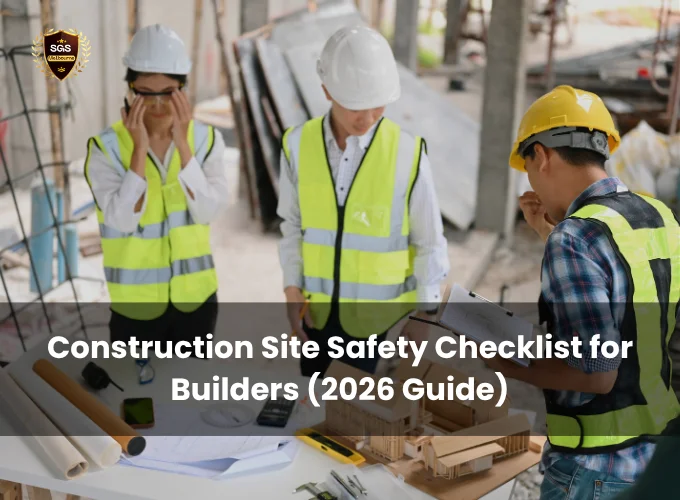
PPE for security guards includes hi-vis clothing, gloves, hearing protection, and, on construction or industrial sites, hard hats and safety glasses matching the site’s WHS requirements.
Guards working on construction sites or in industrial environments must meet the same PPE standards as other workers on-site, including:
- Hard hats or helmets in designated zones
- High-visibility vests or clothing
- Safety glasses and gloves for hazardous areas
- Hearing protection near heavy machinery
Best Practice: Confirm your provider issues site-specific PPE rather than assuming guards will bring their own. This is a common gap that creates compliance risk for site managers.
Documentation and Reporting Tools
Guards need reliable tools to record incidents, patrols, and observations — from notebooks and digital cameras to fully digital reporting apps.
- Notebook and pen — a low-tech backup that never runs out of battery, still used alongside digital tools.
- Digital camera or smartphone camera — for photographic evidence of damage, breaches, or incidents.
- Digital incident reporting apps — increasingly standard, allowing time-stamped reports to reach management instantly.
- Patrol log/GPS checkpoint scanner — verifies a guard physically completed each patrol point, a key feature covered in our guide on emergency response protocols.
Quick Summary: The shift from paper logbooks to digital reporting is one of the biggest equipment changes in the Australian security industry over the past five years.
Surveillance and Technology Equipment
Modern guards increasingly use body cameras, binoculars, and GPS devices to improve accountability and situational awareness.
- Body cameras — record interactions for evidence and accountability, discussed in detail in the importance of body cameras for security guards.
- Binoculars — useful for guards monitoring large perimeters, car parks, or construction sites from a fixed post.
- GPS trackers — confirm patrol routes were completed as scheduled, particularly for mobile patrol services.
- CCTV handheld monitors — allow static guards to cross-check camera feeds without leaving their post. See how this pairs with guard coverage in our guide to integrating CCTV and security guards.
This shift reflects a broader trend covered in the role of technology in enhancing security guard efficiency, where guards increasingly work alongside — not instead of — electronic systems.
Defensive and Restraint Equipment
Defensive equipment such as batons, handcuffs, and pepper spray requires specific licence endorsements in Australia and cannot be carried without them.
| Equipment | Purpose | Licence Requirement |
|---|---|---|
| Handcuffs | Temporary restraint pending police arrival | Training-dependent, role-specific |
| Baton | Physical deterrent/defence | Requires specific endorsement in most states |
| Pepper spray | Non-lethal self-defence | Restricted; not permitted for general guards in several states |
| Taser | Non-lethal incapacitation | Highly restricted, rarely authorised for standard guards |
| Firearm | Armed guard duties (cash-in-transit, high-risk sites) | Separate firearms licence and endorsement required |
| Bulletproof vest | Protective wear for high-risk roles | No licence required, but role-dependent |
Expert Tip: If a provider’s guards appear to be carrying restraint or defensive equipment, ask to see the specific licence endorsement — not just the standard security licence.
Legal Restrictions on Security Equipment in Australia
Security equipment rules differ by state, but generally, defensive weapons, firearms, and restraint tools require licence endorsements beyond a standard guard licence.
Security licensing in Australia is state-based, and equipment rules follow the same pattern:
- Firearms — armed guard roles require a firearms licence issued under state legislation, plus regular requalification.
- Batons and pepper spray — many states restrict these to specific licence classes, such as crowd controllers or bodyguards, not general static guards.
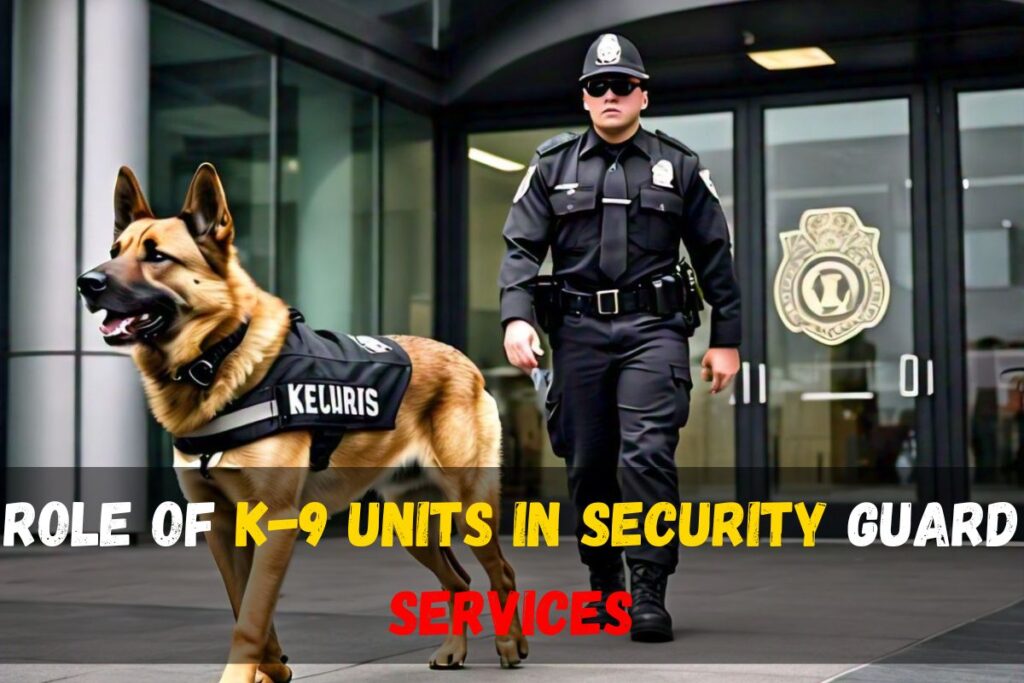
- Guard dogs — handling a security dog typically requires an additional training endorsement on top of the base licence.
- Body cameras — while not weapons, some states have workplace surveillance or privacy obligations providers must follow when recording the public.
Did You Know? Carrying restricted security equipment without the matching licence endorsement is a chargeable offence in most Australian states — for both the guard and the employing company.
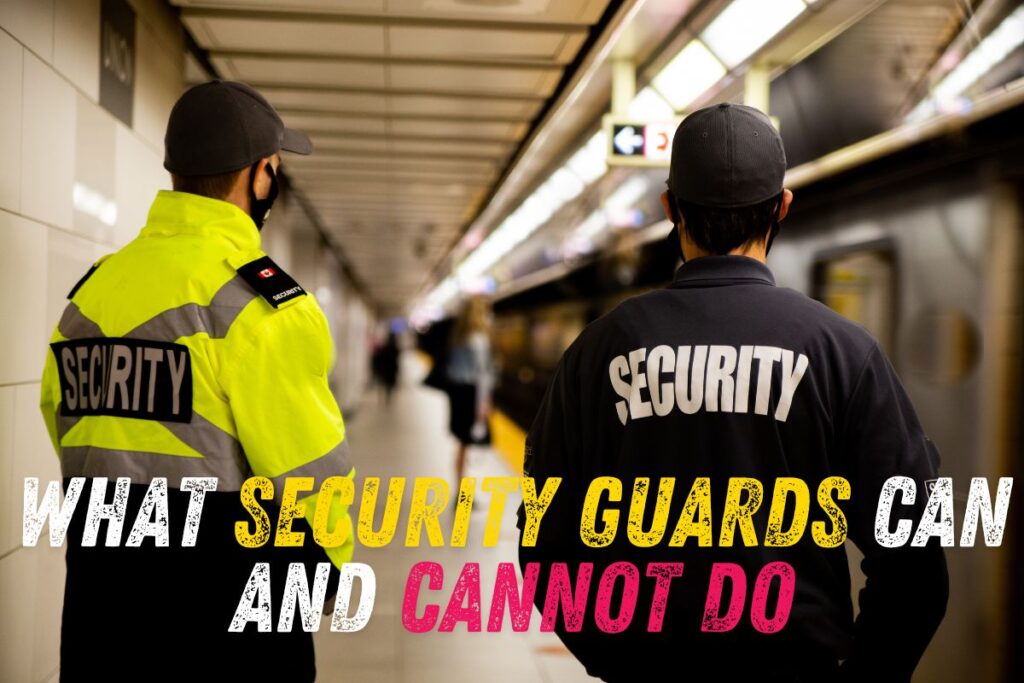
For a broader look at what’s permitted, read our guide on what security guards can and cannot do.
Equipment by Guard Type
Equipment varies significantly depending on whether a guard is static, mobile, armed, or event-based.
| Guard Type | Core Equipment |
|---|---|
| Static security guards | Radio, torch, notebook, PPE, uniform |
| Mobile patrol security | GPS tracker, vehicle, torch, reporting app, radio |
| Event security guards | Hi-vis uniform, earpiece, wristband scanner, radio |
| Armed security guards | Firearm with endorsement, holster, bulletproof vest |
| Corporate guards | Visitor management system, earpiece, professional attire |
| Construction site security | Hard hat, hi-vis PPE, torch, patrol scanner |
Night Shift Equipment Essentials
Night duty guards need additional equipment for visibility and safety, including flashlights, reflective gear, and whistles.
Night shifts introduce unique risks around visibility, isolation, and reduced backup response times. Guards typically add:
- High-powered torch or flashlight
- Reflective vest or clothing
- Whistle or personal alarm
- Fully charged spare radio battery
- First aid kit stocked for isolated response
For a deeper breakdown of night-specific gear, see our full guide on essential accessories and instruments for security guards on night duty.
Equipment Checklist for Businesses Hiring Guards
Use this checklist when vetting a potential security guard company:
- Guards wear a clearly branded, licence-compliant uniform
- Two-way radios or equivalent communication devices provided
- Site-appropriate PPE issued (hard hats, hi-vis, gloves)
- Digital or written incident reporting available
- GPS patrol verification for mobile or large-site coverage
- Body cameras used where appropriate, with clear privacy policies
- Any defensive equipment matched to a verified licence endorsement
- First aid kit accessible at every post
- Backup equipment (batteries, spare uniform) available for long shifts
Decision Tip: A provider who can answer every point on this checklist without hesitation is usually one with mature operational standards — not just good marketing.
Common Equipment Mistakes to Avoid
The most common mistakes are assuming all guards are equally equipped, skipping licence checks on defensive gear, and underestimating PPE needs for the site type.
- Assuming a uniform alone means a guard is fully equipped
- Not checking whether defensive equipment matches the guard’s actual licence class
- Ignoring PPE requirements for construction, warehouse, or industrial sites
- Overlooking backup communication in areas with poor mobile reception
- Failing to ask how incident reports are captured and delivered
Common Mistake: Businesses often focus entirely on guard numbers and hours, without asking what equipment those guards will actually have on-site.
1. What equipment does a standard security guard carry in Australia?
Most guards carry a uniform, licence identification, two-way radio, torch, notebook, and first aid kit, with additional gear depending on the role and site.
2. Can security guards carry pepper spray in Australia?
Only in certain states and for specific licence classes. General static or patrol guards are often not permitted to carry pepper spray without an additional endorsement.
3. Do security guards need PPE on construction sites?
Yes, Guards on construction sites must meet the same PPE standards as other workers, including hard hats, hi-vis clothing, and safety glasses where required.
4. Are body cameras mandatory for security guards?
No, but many providers now use them as standard practice for accountability and evidence collection, particularly in event and retail security.
5. What equipment is required for armed security guards?
Armed guards need a firearms licence and endorsement in addition to their standard security licence, along with appropriate holsters and protective gear.
6. Do mobile patrol guards need different equipment than static guards?
Yes. Mobile patrol guards rely more heavily on GPS tracking, vehicles, and reporting apps, while static guards focus on fixed-post communication and PPE.
7. How can I check if a security company equips its guards properly?
Ask directly about uniforms, communication devices, PPE, reporting tools, and any defensive equipment licensing during your provider evaluation.
8. Is a baton legal for security guards to carry in Australia?
In most states, carrying a baton requires a specific licence endorsement beyond a standard security guard licence, and general guards are often not authorised to carry one.
Conclusion
Equipment is one of the clearest, most practical signals of a security provider’s professionalism. It shows whether guards can communicate reliably, document incidents properly, and meet the legal requirements attached to their role.
Before hiring, ask specifically about uniforms, communication tools, PPE, and any defensive equipment licensing. If you want a deeper look at provider evaluation more broadly, see our complete guide to hiring security guards in Australia.
Hire Properly Equipped, Licensed Security Guards in Melbourne
Every guard we deploy carries the right equipment for the job — uniform, communication tools, PPE, and licensed gear matched to your site’s actual risk.
Popular Posts