



How Security Guards Handle Suspicious Packages: A Comprehensive Guide
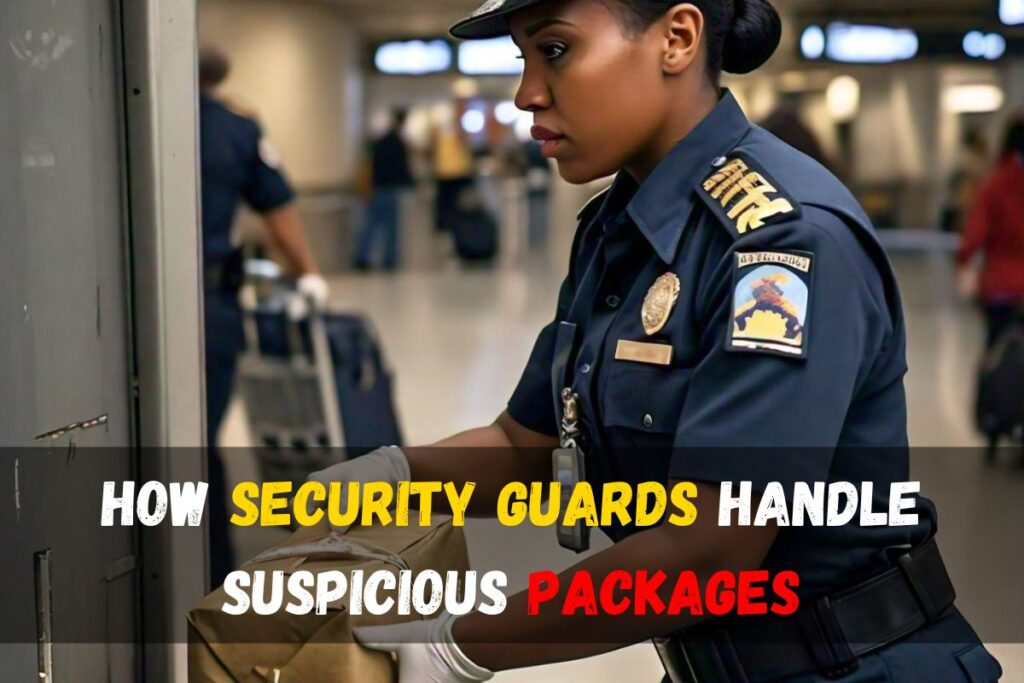
How Security Guards Handle Suspicious Packages: A Comprehensive Guide October 8, 2024 Security guards serve as the first line of defense in a wide range of environments, from corporate buildings to public spaces like airports or shopping centers. One of the most critical responsibilities they face is identifying and responding to suspicious packages, which can pose serious threats, including explosives, hazardous materials, or harmful chemicals. The way security guards handle these packages is crucial to ensuring public safety while preventing unnecessary harm. This guide explores the expert-level steps security guards follow when managing such situations, offering insight into identification, response protocols, and coordination with emergency services. Recognizing Suspicious Packages The ability to recognize a suspicious package is one of the foundational skills that every security guard must possess. Suspicious packages often display telltale signs that differentiate them from ordinary deliveries. These may include an unusual appearance, such as excessive tape, strange shapes, or an overly bulky structure. Other key indicators are poorly printed or handwritten labels, misspelled addresses, or packages missing return addresses. Additionally, packages that were not expected by anyone at the facility immediately raise suspicions. Security guards are also trained to notice sensory cues, such as strange odors or sounds like ticking, which could indicate the presence of explosives or hazardous materials. If a package is leaking liquids or powders or exhibits stains, this further heightens the risk. Recognizing these warning signs early is vital in initiating a proper response. Initial Response: Securing the Area Once a suspicious package is identified, the immediate priority is to ensure the safety of everyone in the vicinity. The first step is to secure the area by setting up a perimeter around the package. The size of this safety zone depends on the level of threat, but security personnel are trained to err on the side of caution, creating a large enough buffer to protect people from potential harm. Restricting access to the area is essential; unauthorized personnel should be kept out, and additional barriers may be deployed if needed. In situations where the threat is particularly serious, security guards must initiate an evacuation of nearby areas. This evacuation must be conducted calmly and in an organized manner to avoid panic. The goal during this phase is to limit exposure to the package and ensure that no one is placed at risk. Avoiding Direct Contact with the Package One of the most critical aspects of handling a suspicious package is that security guards are strictly trained not to touch or move it. The potential dangers of directly interacting with such a package—whether it’s an explosive device, a chemical threat, or a biological hazard—are too significant. Instead, guards are instructed to maintain a safe distance from the package and ensure that others do the same. Even law enforcement personnel will not approach the package without the proper tools and expertise. The role of the security guard is to keep the area secure and allow specialized teams, such as bomb disposal units or hazardous materials (HAZMAT) teams, to assess and handle the package. In this way, unnecessary risks are avoided, and the likelihood of triggering a dangerous situation is minimized. Communicating with Authorities and Supervisors Effective communication is vital when handling suspicious packages. Once a potential threat is identified, security guards must immediately inform the relevant authorities. Depending on the nature of the package, this might involve contacting local law enforcement, bomb disposal experts, or hazardous materials teams. Security personnel must provide detailed information, including the exact location of the package, its appearance, and any unusual characteristics observed, such as sounds or odors. Additionally, guards should keep their supervisors informed, as internal coordination is often needed to manage evacuation plans or secure additional resources. Clear and precise communication ensures that the appropriate professionals are notified and can respond in a timely manner. Utilizing Technology for Threat Assessment In modern security operations, technology plays a key role in assessing suspicious packages without putting personnel at risk. Security guards often use surveillance cameras to monitor the area surrounding the package, allowing them to keep watch without physically being present. In high-risk locations such as airports, security may have access to X-ray machines, which can help determine the contents of a package without opening it. Robotic systems are also increasingly used in such situations; these machines can approach and analyze the package from a safe distance, providing crucial information that helps responders decide the best course of action. Utilizing this technology enhances security operations and allows guards to minimize their exposure to potential dangers. Coordinating with Emergency Services Once local law enforcement or bomb squads arrive, the role of the security guard shifts to one of support and coordination. Guards must provide responders with accurate information about the package and its surroundings and ensure they have clear access to the site. While emergency personnel work to assess or neutralize the threat, security guards continue to play an important role by maintaining order in the area. They ensure that evacuation procedures are followed and that no unauthorized individuals enter the restricted zone. Guards may also assist with crowd control and help emergency services by providing access to video footage or other relevant information that could aid in the investigation. Continuous Training and Preparedness The ability of security guards to handle suspicious packages effectively is built upon continuous training and preparedness. Guards regularly participate in mock drills and simulated emergency scenarios that help them practice their response to various threats. Staying informed about emerging risks, such as new technologies or evolving terrorist tactics, ensures that guards are always ready to respond to new kinds of threats. Additionally, security personnel are often trained in first aid and emergency medical response, equipping them with the skills needed to assist if a situation escalates before emergency responders can arrive. This ongoing training helps maintain a high level of readiness and ensures that security guards are capable of handling even the most complex situations. Following Legal and Safety Protocols Adhering to legal
The Importance of Body Cameras for Security Guards
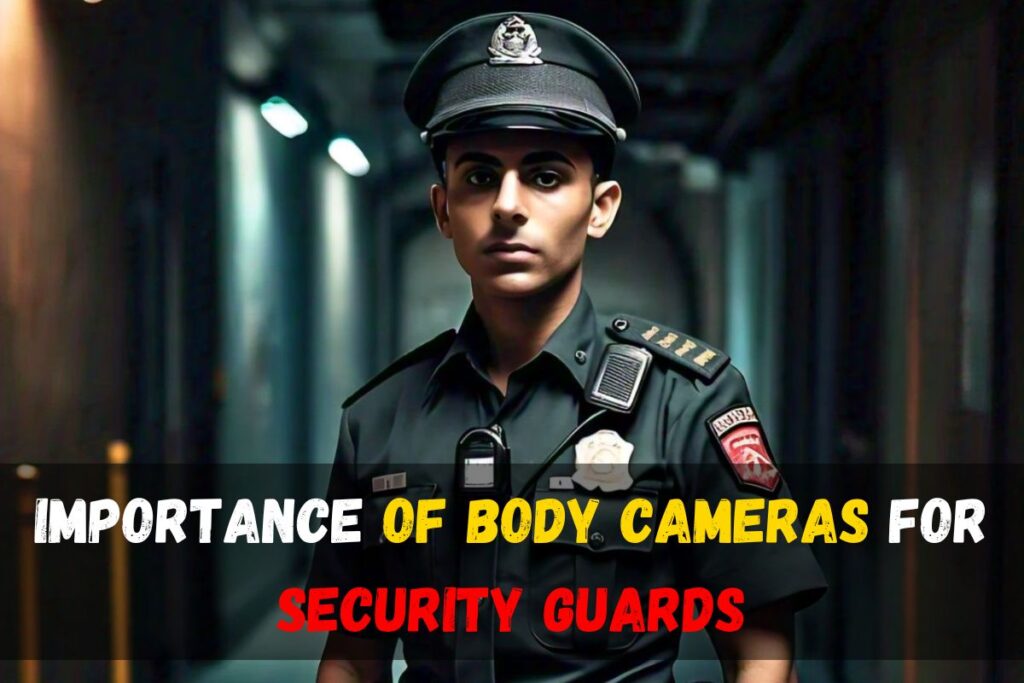
The Importance of Body Cameras for Security Guards September 30, 2024 The use of body cameras by security guards plays a pivotal role in ensuring accountability and promoting ethical conduct. With real-time video capturing every interaction, the presence of a body camera encourages guards to adhere strictly to protocols, as their actions are under constant observation. This level of oversight discourages inappropriate behavior and reinforces professionalism. Additionally, the recorded footage creates an indisputable record of events, fostering transparency between security personnel and the public. In a profession where public trust is crucial, body cameras help solidify the integrity of security operations by keeping guards accountable to their duties.Visit here for exploring our services. Benefits of Having Cameras on Guards Shoulder Mitigating False Accusations and Providing Evidence Security guards often face situations where disputes arise, and accusations of misconduct can damage their reputation. Body cameras offer a layer of protection against false claims by capturing an unbiased, verifiable account of incidents. This visual evidence can be used in investigations or court proceedings, ensuring that the truth prevails. Having a clear, objective record of what happened reduces the need for subjective testimony, minimizing discrepancies in statements. By safeguarding guards from false accusations, body cameras enhance legal protection and contribute to a more just and fair working environment. Enhancing Training Through Real-World Scenarios Body camera footage offers invaluable insights for training and development in the security industry. Supervisors can review recordings to assess the effectiveness of security procedures and provide constructive feedback based on actual events. This data-driven approach to performance evaluation enables security personnel to learn from real-world scenarios, helping them refine their skills. Training sessions can focus on areas such as conflict resolution, de-escalation techniques, and adherence to company protocols, using the recorded footage as a tool to reinforce learning. As a result, body cameras not only capture incidents but also serve as a resource for continuous improvement. Providing Critical Evidence in Legal Proceedings When incidents escalate into criminal or legal matters, body camera footage serves as critical evidence for law enforcement and judicial bodies. Security guards often respond to situations before police arrive, meaning their body cameras may capture vital moments that other evidence might miss. The footage can provide context, clarify misunderstandings, and offer an accurate portrayal of events, which can significantly influence legal outcomes. By having an indisputable video record, the integrity of investigations is enhanced, making it easier for authorities to piece together what truly transpired. A Visible Deterrent to Crime and Misconduct The presence of a body camera can act as a powerful deterrent to crime and misconduct. Individuals are far less likely to engage in illegal activities when they know they are being recorded. For security guards, this psychological impact strengthens their ability to maintain order in high-risk environments. Whether patrolling a retail space, securing a public event, or managing a corporate facility, body cameras provide an added layer of security by discouraging aggressive or unlawful behavior. This visual reminder of surveillance promotes safer interactions and helps de-escalate potential conflicts before they escalate. Balancing Security Needs with Privacy Rights As beneficial as body cameras are, they also raise concerns about privacy and the legal implications of recording interactions. Security companies must carefully navigate these concerns by adhering to relevant privacy laws and regulations. Guards must be trained on when and where it is appropriate to use body cameras, ensuring that the rights of individuals are respected. Striking the right balance between security and privacy is crucial for avoiding legal liabilities and maintaining public trust. Security providers need to implement policies that govern camera usage, storage of footage, and compliance with local surveillance laws to avoid potential breaches of privacy. Fostering a Culture of Transparency in Security In an era where transparency is increasingly valued, body cameras are pivotal in fostering an open, honest culture within the security industry. The availability of recorded footage encourages accountability not only for security guards but also for the management overseeing them. Organizations can use body camera footage to demonstrate their commitment to transparency, addressing any public concerns related to their security operations. Whether investigating complaints, reviewing guard performance, or documenting critical incidents, body cameras support a culture of openness, ensuring that both clients and the public feel confident in the security services provided. Search Related Posts Difference Between Crowd Controllers and Security Officers Essential accessories and instruments for security guard for night duty The Role of Guards in Educational Institutions What is Mobile Security Patrol, and Why Do You Need It? Responsibilities of Security Guards in Australia How Security Guards Handle Suspicious Packages: A Comprehensive Guide The Importance of Body Cameras for Security Guards Understanding the Importance of Crowd Management at Events Skills and Qualifications for a Private Investigator Common Challenges Faced by Security Guards in Australia The Role of K-9 Units in Security Guard Services Protective Security Officers in Melbourne: Roles, Benefits & When You Need One How to Choose a Security Company in Melbourne | 2026 Guide Evolution of Security Guard Training & Certification in Australia The Role of Technology in Enhancing Security Guard Efficiency What Does an Event Security Guard Do? Do you provide armed or unarmed security guards? Emergency Response Protocols Every Security Guard Should Know How to become a security guard in Australia? How Security Guards Manage Safety Challenges at Oktoberfest
The Role of Security Guards in Airport Security
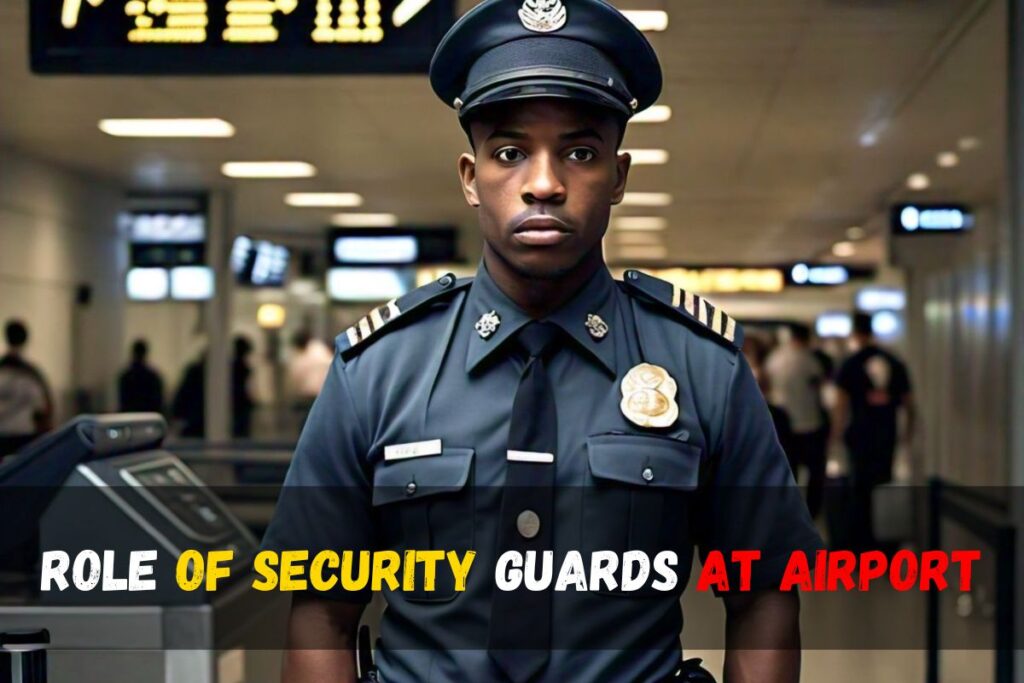
The Role of Security Guards in Airport Security September 26, 2024 Passenger screening is one of the most visible and crucial tasks handled by airport security guards. Their primary responsibility is to ensure that no prohibited or dangerous items make it past security checkpoints. Security guards work alongside technology, using X-ray machines to scan luggage and metal detectors for passengers. However, their expertise goes beyond operating these machines. They are trained to interpret the results and identify potential threats that machines may miss, such as cleverly concealed weapons or dangerous substances. Security guards also play a key role in the physical inspection of baggage. If something suspicious is flagged during the scanning process, guards are responsible for conducting thorough manual inspections. They follow strict protocols, ensuring that searches are conducted professionally and respectfully, while maintaining a high level of security. Additionally, security guards are often the first line of defense against human-based threats, such as identifying nervous or suspicious behavior in passengers. Through behavioral analysis and situational awareness, security personnel can prevent potentially dangerous individuals from boarding flights, thus safeguarding the passengers and crew. Access Control and Monitoring Airports are complex environments, with many restricted areas that require controlled access. Security guards manage these zones, ensuring that only authorized personnel can enter sensitive areas such as runways, baggage claim zones, and air traffic control towers. This is done through strict verification protocols that include checking ID badges, biometric scans, and monitoring security clearance levels. Access control is not just about guarding gates or doors; it requires guards to be highly alert to potential infiltration attempts, such as the use of forged credentials or tailgating (when unauthorized individuals attempt to follow an authorized person into a restricted area). Guards need to be familiar with the layout of the airport and the personnel who work there, so they can quickly identify anyone who shouldn’t be in a particular zone. Moreover, security guards monitor traffic in and out of restricted zones in real-time, ensuring that operations run smoothly without any unauthorized intrusions. Their vigilance is critical in areas like cargo handling, where even a small breach can result in security risks, including theft, sabotage, or smuggling. Surveillance and Patrolling Surveillance and patrolling form the backbone of airport security. Security guards constantly monitor both public and private areas using CCTV systems and physical patrols. Surveillance allows guards to keep an eye on a broad area of the airport, enabling them to respond quickly to suspicious activities or potential threats. Patrolling, on the other hand, serves a dual purpose: providing a visible deterrent to criminal activity and ensuring that all areas of the airport are physically secure. These patrols are often conducted on foot, by vehicle, or even through canine units trained to detect explosives or drugs. The physical presence of security guards is a key factor in preventing crimes such as theft, vandalism, or terrorism. Guards must also be adept at multitasking during patrols, including checking that emergency exits are clear, equipment is functioning correctly, and sensitive areas remain secure. They report any anomalies or breaches immediately to airport security command centers, ensuring swift corrective action. Handling Emergency Situations Airports are high-stakes environments, and security guards are often on the front lines when emergencies occur. These emergencies can range from medical incidents and fire outbreaks to more serious situations like bomb threats or active shooter scenarios. Security guards are trained to remain calm under pressure and follow established emergency protocols, which helps ensure the safety of passengers and staff. In the event of a medical emergency, guards are often the first responders, providing first aid until medical personnel arrive. They are also trained in crowd control, which is essential in preventing panic during evacuation procedures. Whether guiding passengers to safety or assisting with fire drills, their quick thinking and expertise can be the difference between order and chaos. When more severe threats arise, such as potential terrorist attacks, security guards play a pivotal role in coordinating with law enforcement agencies, bomb disposal units, and other emergency services. Their clear communication and swift action can mitigate damage, protect lives, and restore order. Assisting Law Enforcement Security guards in airports do not operate in isolation. They work in close collaboration with law enforcement agencies, including local police, federal authorities, customs officers, and immigration officials. Together, they form a cohesive security framework that ensures all areas of the airport are protected from both domestic and international threats. Security guards assist law enforcement in a variety of tasks, such as detaining individuals suspected of criminal activities, conducting investigations, and gathering evidence when necessary. They may also participate in joint security operations, such as anti-terrorism drills or response strategies for high-risk situations. In cases involving smuggling, human trafficking, or organized crime, airport security guards are often the first to identify suspicious behavior or activities, working closely with customs and immigration authorities to apprehend suspects. Their coordination with law enforcement is vital for intelligence gathering and overall airport security strategy. Customer Assistance and Communication While airport security guards are primarily tasked with protecting the airport and its passengers, they also play an important role in customer service. Guards are often the first point of contact for travelers seeking assistance, whether it’s asking for directions, resolving minor issues, or providing information about airport procedures. Effective communication is critical, particularly when diffusing tense situations. Security guards must be able to de-escalate conflicts and calm frustrated or anxious passengers. This requires strong interpersonal skills, patience, and an ability to assess situations quickly. Additionally, in cases where security measures inconvenience passengers (e.g., long lines at checkpoints), guards must balance their security responsibilities with maintaining a positive, helpful attitude toward travelers. By assisting passengers and ensuring clear, efficient communication, security guards contribute to a smoother and more pleasant travel experience, which in turn enhances the overall image of airport security. Search Related Posts Do you provide armed or unarmed security guards? How Corporate Security Safeguards Melbourne’s Business Ecosystem The Role of Security Guards in
How Security Guards Prevent Theft in Retail Stores
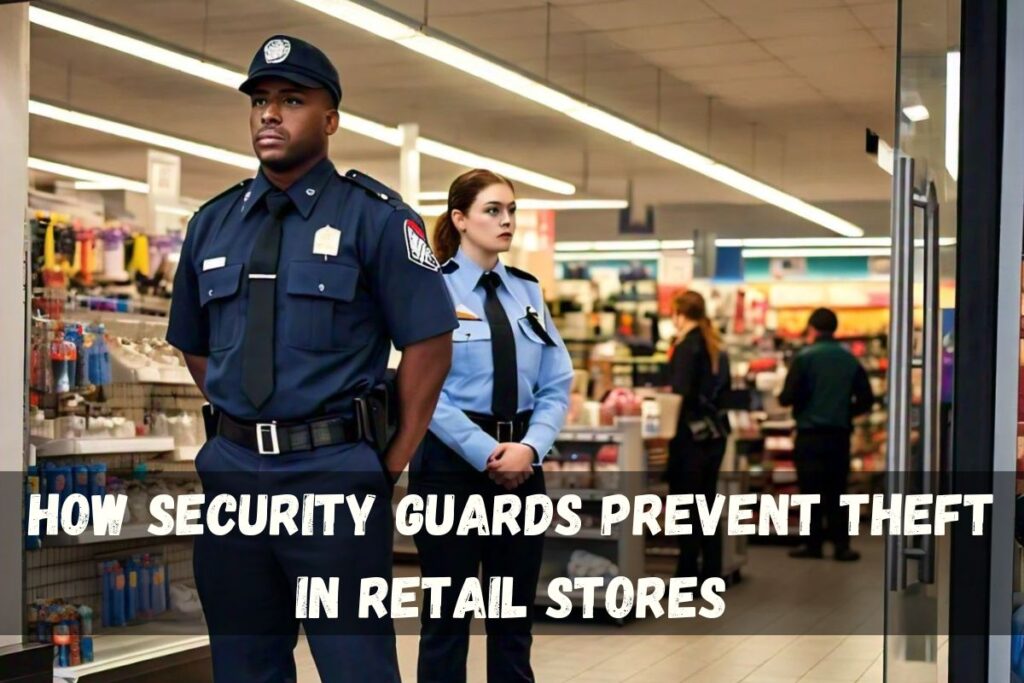
How Security Guards Prevent Theft in Retail Stores September 20, 2024 Retail theft is a growing concern for businesses, especially in busy shopping environments. Hiring professional retail security guards in Melbourne is one of the most effective ways to prevent theft, protect assets, and maintain a safe shopping experience. Key Ways Security Guards Prevent Retail Theft in Melbourne Advanced Surveillance and Continuous Monitoring Techniques Modern retail security relies on advanced surveillance systems, but these tools are only as effective as the professionals monitoring them. Security guards play a vital role by continuously scanning security footage and strategically placed cameras, identifying unusual behaviors or activities in real time. This continuous monitoring allows for the swift detection of theft attempts and provides critical evidence for follow-up actions. Guards are trained to observe key areas like entrances, exits, and high-value sections, ensuring comprehensive oversight. Enforcing Access Control and Conducting Thorough Security Checks Retail stores, especially those dealing with high-end merchandise, often implement access control mechanisms to secure valuable goods. Security guards enforce these protocols by managing entry and exit points, conducting bag checks, and ensuring that all merchandise has been properly paid for before leaving the store. They also monitor restricted areas to prevent unauthorized personnel from accessing sensitive inventory or back-of-store locations. This layered approach prevents both external and internal theft. Expert Identification of Suspicious Behavior and Shoplifting Tactics Experienced security guards are adept at reading body language and identifying suspicious behavior, such as customers avoiding eye contact, appearing nervous, or frequently scanning the environment. Guards are trained to spot common shoplifting tactics, such as concealment, switching price tags, or distracting employees. By recognizing these early signs, they can intervene before the theft escalates. This skill is critical for reducing losses in high-traffic retail environments. Seamless Collaboration with Retail Staff for Integrated Security Security guards work in partnership with retail staff to create an integrated theft prevention strategy. Through regular communication, guards educate employees on how to identify potential shoplifters and what to do in case of an incident. This collaboration ensures that all staff members are part of a larger security team, enhancing overall store vigilance. Guards also provide store-specific security training, which helps in tailoring theft prevention strategies to the unique challenges of each retail environment. Immediate Emergency Response and Expert Crisis Management In the event of a theft or other security breach, a trained security guard is able to act swiftly and efficiently. Their ability to handle emergencies—such as apprehending a suspect, managing conflicts, or coordinating with law enforcement—ensures that theft-related situations are quickly contained with minimal disruption to the store. Security guards also know how to de-escalate tense situations, preventing harm to customers or staff while ensuring the suspect is dealt with legally and appropriately. Random and Targeted Security Patrols for Enhanced Oversight In addition to monitoring from fixed positions, security guards perform both scheduled and random patrols throughout the store. This mobile security measure allows them to check for blind spots, monitor areas that may be out of camera range, and remain unpredictable to would-be thieves. By regularly patrolling the premises, both inside and out, security guards ensure that all vulnerable areas receive attention, reducing opportunities for theft. Utilizing Cutting-Edge Technology for Enhanced Theft Prevention Security guards now leverage advanced tools such as RFID tags, motion detectors, and alarm systems to boost theft prevention. By integrating these technologies with manual oversight, guards can more effectively detect theft attempts, monitor inventory, and respond to triggered alarms. The use of technology not only increases efficiency but also provides data-driven insights that help refine security strategies over time, making theft prevention efforts more robust. Preventing Internal Theft through Employee Monitoring and Audits Employee theft can be just as damaging as external shoplifting, if not more so. Security guards are trained to discreetly monitor staff activities and identify any irregularities that could indicate internal theft. By conducting routine audits, overseeing inventory control, and investigating suspicious employee behavior, security guards help prevent losses from within the workforce. Their objective, neutral presence ensures that the store maintains integrity and transparency in its operations. Creating a Safe and Secure Shopping Environment for Customers Beyond theft prevention, security guards contribute to a welcoming and secure environment that enhances customer satisfaction. Shoppers feel more comfortable knowing that professional security personnel are on-site to ensure their safety. This perception of security can also boost customer loyalty and encourage repeat visits, as a safe shopping experience is essential for customer retention in today’s competitive retail market. Final Thoughts Retail theft prevention requires a proactive approach combining visibility, monitoring, and trained professionals. Investing in experienced security guards company ensures long-term protection and business stability. Search Related Posts Essential C’s & P’s of Security Guards – What You Must Know Before Joining a Security Company Why Are Security Uniforms Essential? Responsibilities of Security Guards in Australia Difference Between Crowd Controllers and Security Officers Security Guard vs. Watchman What’s the Real Difference? What is Mobile Security Patrol, and Why Do You Need It? Skills and Qualifications for a Private Investigator How much do security Guard companies charge in Australia Why Shopping Centres Need Dedicated Security Teams The Role of Security Guards in Airport Security The Role of K-9 Units in Security Guard Services Common Challenges Faced by Security Guards in Australia Understanding the Levels of Security Guards in Australia Role of Security Guards in Construction Site Safety Effective Self-Defense Tactics and Techniques for Security Guards How to Establish a Security Guard Business in Australia Top Benefits of Having Security Guards in High-Risk Areas Protective Security Officers in Melbourne: Roles, Benefits & When You Need One Understanding the Limits: What Security Guards Can and Cannot Do Evolution of Security Guard Training & Certification in Australia