



Private vs. Public Security: A Detailed Comparison
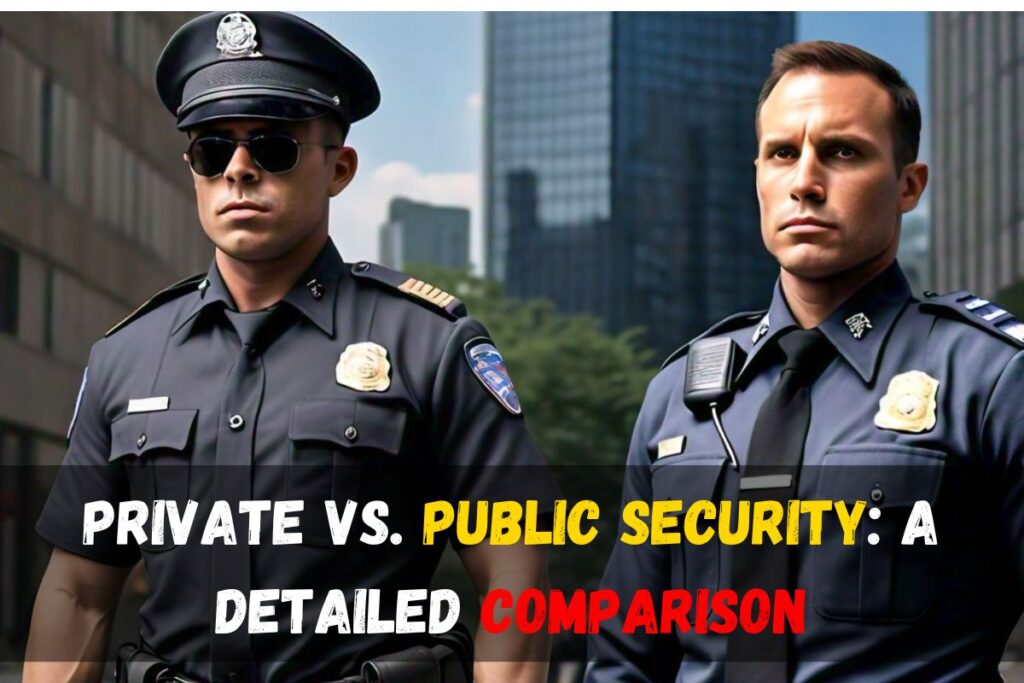
Private vs. Public Security: A Detailed Comparison September 16, 2024 The need for safety and protection is a universal requirement, but how that need is met differs depending on the situation and the resources available. Private and public security services represent two different approaches to ensuring safety, both playing critical roles in society. However, they have distinct differences in authority, regulation, objectives, and scope. This article will explore the nuanced distinctions between private and public security, delving into their unique roles, how they operate, and what sets them apart. Understanding Private Security Private security refers to security services provided by private entities, typically for commercial or personal purposes. These security professionals are employed by private companies or individuals to protect assets, people, or property. Their tasks may include monitoring security systems, patrolling properties, managing access control, and ensuring the safety of specific individuals or events. Private Security’s Scope and FlexibilityPrivate security operates under contracts tailored to the needs of the client. This allows for a high degree of flexibility, where security services are customized based on the specific risks and requirements of the entity being protected. From corporate settings like office buildings to personal protection for high-profile individuals, private security services can adapt to various environments and industries. Types of Private Security Client-Focused Approach Private security companies prioritize the interests of their clients and tailor their services accordingly. Unlike public security agencies that serve a broader community, private security providers have the flexibility to offer specialized services for niche markets. For instance, they might provide armed guards for high-value assets, surveillance services for private estates, or even cybersecurity for protecting digital infrastructure. Understanding Public Security Public security, on the other hand, is managed and operated by the government. This includes law enforcement agencies such as the police, fire departments, and emergency medical services (EMS). The primary objective of public security is to ensure the safety of the general public by preventing and responding to crime, enforcing laws, and maintaining order. The Role of Public Security in Society Public security professionals have broader responsibilities compared to private security. Their mission is to protect public safety at large, uphold the law, and respond to emergencies. Public security officers are accountable to the government and the citizens they serve. This means they are bound by constitutional laws, public policies, and regulations that ensure fairness and transparency in their operations. Types of Public Security Agencies Legal Authority and Enforcement Powers Public security officers, especially law enforcement, have the legal authority to arrest, detain, and prosecute individuals. They can investigate crimes, search properties under judicial warrants, and enforce laws that maintain public order. Unlike private security officers, public law enforcement officers are required to follow strict procedures when dealing with offenders, ensuring due process and accountability. Key Differences Between Private and Public Security While both private and public security aim to protect individuals, property, and maintain order, they differ significantly in their approach, authority, and responsibilities. Let’s explore these key differences in detail. Authority and Jurisdiction Public Security Public security officers, such as police officers, have statutory authority granted by the government. They have the legal right to enforce laws, conduct arrests, investigate criminal activities, and maintain public order. Their jurisdiction is typically bound to a geographical area, such as a city, county, or state, but it covers all aspects of public safety within that area. Private Security Private security personnel do not have the same legal authority as public law enforcement. Their powers are limited to what is outlined in their contracts with clients, and they typically cannot make arrests unless it is a citizen’s arrest or in response to an immediate threat. Private security officers can detain individuals until law enforcement arrives but are required to act within legal boundaries. Accountability and Oversight Public Security Public security agencies operate under strict government oversight and are accountable to the public. They are required to adhere to state and federal laws, ensuring transparency in their operations. Misconduct by public security officers can lead to legal consequences, disciplinary actions, or public scrutiny. Private Security Private security companies, while regulated by local or federal authorities in some regions, have more flexible oversight. Their operations are guided by the needs of their clients and the terms of their contracts. However, they must still comply with national and regional laws, especially concerning the use of force and personal data protection. Some countries require private security firms to obtain licenses, ensuring that personnel are trained and equipped to handle security responsibilities. Training and Regulation Public Security Public security officers, especially law enforcement, undergo extensive training that includes criminal law, use of firearms, crowd control, and emergency response. Their training is mandated by the state and can last for months, if not years, depending on the jurisdiction. Continuous education and re-certification are often required to ensure that public officers remain up-to-date on current laws and best practices. Private Security Training for private security personnel varies depending on the company and the services provided. While some security officers undergo rigorous training—particularly in high-risk areas like personal protection or cybersecurity—others may receive minimal instruction if their duties are limited to tasks such as monitoring CCTV systems or managing access control. In many regions, private security firms are required to meet licensing standards, but these standards often differ from public security training. Focus and Mission Public Security The focus of public security is to serve and protect the general public. Their mission is broad, encompassing crime prevention, emergency response, law enforcement, and public order maintenance. Public security agencies work to ensure that every citizen is protected under the law, regardless of status or affiliation. Private Security Private security, however, has a more specialized mission that focuses on protecting specific clients, assets, or properties. Their services are usually preventive, with an emphasis on deterring theft, vandalism, or other potential threats to the client. Private security companies can also provide specialized services, such as securing events, personal protection for celebrities, or safeguarding sensitive information. Collaborative
What is Mobile Security Patrol, and Why Do You Need It?
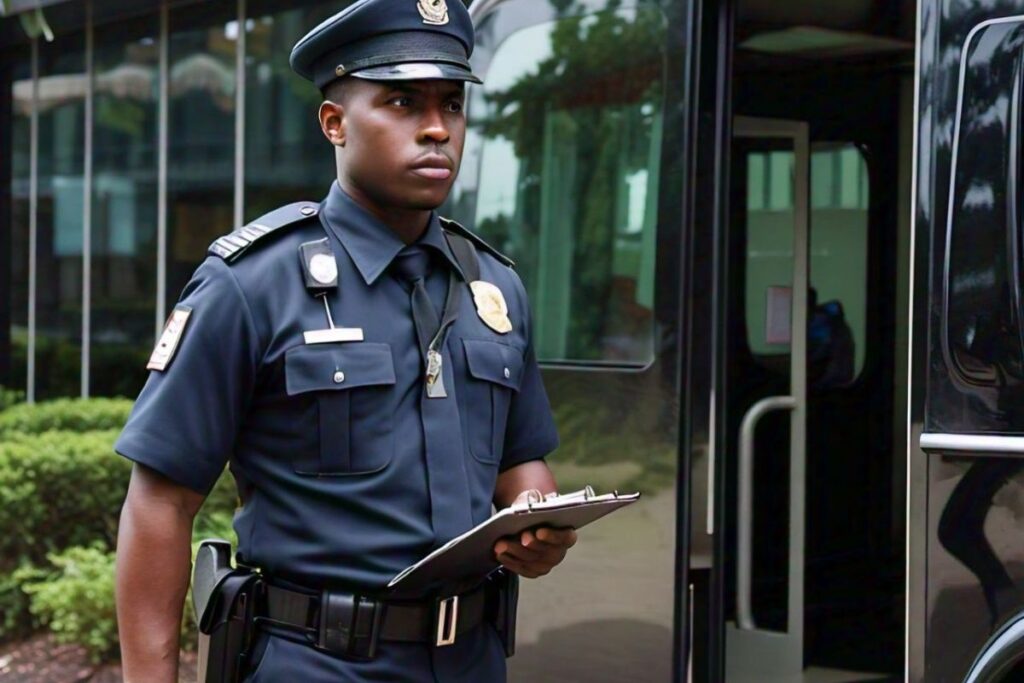
What is Mobile Security Patrol, and Why Do You Need It? September 13, 2024 Mobile security patrol is a dynamic and flexible form of security service where trained personnel patrol designated areas in vehicles or on foot. Unlike static guards stationed in one place, mobile security patrols provide coverage over a broader area, making them ideal for businesses, residential complexes, and larger properties. Patrols can be scheduled at regular intervals or conducted randomly to ensure constant vigilance and deter criminal activity. Mobile patrols can monitor large facilities, check perimeter security, respond to alarms, and perform routine inspections. Their visible presence is a powerful deterrent to potential intruders, reducing the risk of theft, vandalism, or trespassing. Furthermore, mobile patrol teams are equipped to handle a range of emergencies, from break-ins to fire outbreaks, ensuring a rapid response and effective incident management. The Core Function of Mobile Security Patrols Mobile security patrols are designed to safeguard areas by conducting systematic and random patrols across a specified location. Whether by vehicle or foot, trained security officers patrol an entire site to ensure that the area remains secure and free from threats. This service is especially useful for large industrial parks, retail centers, and residential communities where a static guard’s limited range would not suffice. Mobile security patrols fulfill several core functions: Why Mobile Patrol Guards Are Needed Comprehensive Security Coverage Across Large Areas One of the most significant advantages of mobile security patrols is their ability to cover large geographical areas efficiently. Static guards are limited by their position, often focusing on specific entry points or key areas. In contrast, mobile patrols can move across an entire facility or property, checking multiple points in a single shift. For businesses that span large complexes—such as manufacturing plants, warehouses, and corporate campuses—this flexibility is vital. Patrols can be scheduled to cover both day and night shifts, ensuring 24/7 monitoring. For instance, a warehouse that stores valuable inventory across multiple buildings requires more than a guard stationed at the front gate. With mobile patrol services, security officers can routinely inspect all entry and exit points, perimeters, and parking areas to ensure no unauthorized access occurs. This wide-ranging approach ensures no vulnerable point goes unchecked. Deterring Crime Through a Visible and Unpredictable Presence Criminals are opportunists; they exploit weaknesses in security and seek out places where they can remain undetected. Mobile security patrols serve as a strong deterrent to criminal activity by maintaining a visible and active presence across a property. When criminals know that security personnel are constantly on the move and patrol schedules are unpredictable, they are less likely to target that area for illegal activities, such as vandalism, theft, or trespassing. A visible patrol vehicle or an officer walking the grounds gives the impression of constant oversight, discouraging individuals from attempting crimes. Furthermore, many security companies equip their patrol units with technology that records incidents in real-time, heightening the deterrence factor. Cost-Effective Solution Compared to Static Guards Another significant benefit of mobile security patrol services is the cost-effectiveness compared to deploying multiple static guards. Hiring multiple personnel to cover large sites can be expensive and may still leave security gaps. Mobile patrols, on the other hand, offer the ability to cover a broader area with fewer personnel. For example, instead of employing multiple security officers to guard different entry points of a large property, one or two mobile patrol officers can ensure the security of the entire area by conducting regular rounds. This not only reduces costs but also provides greater peace of mind, knowing that the entire site is being monitored by security professionals. Quick Response to Emergencies and Alarms Speed and agility are essential components of effective security services, particularly in emergencies. Mobile patrol officers are trained to respond swiftly to alarms, disturbances, or any suspicious activities that occur within their patrol area. Their mobility allows them to investigate potential security breaches much faster than static guards, who may be limited by their fixed location. In addition to their ability to arrive at the scene quickly, mobile patrol officers are trained to handle a range of emergencies. Whether it’s a fire alarm, unauthorized access, or a medical emergency, mobile security personnel are equipped to assess the situation, provide assistance, and coordinate with emergency services if necessary. Their training in various scenarios allows for more comprehensive emergency management, which minimizes risk and ensures safety. Customization of Patrol Services to Suit Specific Needs Mobile security patrol services can be tailored to fit the unique needs of different properties. Whether you’re managing a commercial site, residential complex, or industrial park, mobile patrols can adapt to the specific security challenges and priorities of each location. Customizable patrol routes and schedules allow for greater flexibility, focusing on high-risk areas or points of vulnerability. For instance, a high-end retail center might require patrols to focus on customer parking lots, while a business park might prioritize the security of entrances and storage facilities. Some mobile patrol services also offer welfare checks, lock-and-unlock services, and personalized inspection reports, ensuring that all aspects of your security needs are met. Benefits of Vehicle Security Patrols for Businesses Minimized Risk of Vandalism, Theft, and Trespassing Mobile security patrols serve as an active deterrent against vandalism, theft, and trespassing. Their mere presence on-site, combined with randomized patrol routes, makes it difficult for criminals to predict when and where patrols will occur. As a result, opportunistic crimes, such as break-ins, are significantly reduced. Additionally, by regularly inspecting vulnerable areas such as construction sites, outdoor storage facilities, or even office parking lots, mobile patrols can quickly identify potential risks, such as broken fences, unlocked gates, or unauthorized personnel, before they lead to larger security breaches. Increased Employee and Resident Safety For businesses, ensuring the safety of employees is a priority. Mobile security patrols provide a visible security presence that reassures employees, visitors, and residents. This visibility can be particularly beneficial in employee parking lots, after-hours shifts, or in residential complexes where safety concerns are high.
Common Challenges Faced by Security Guards in Australia
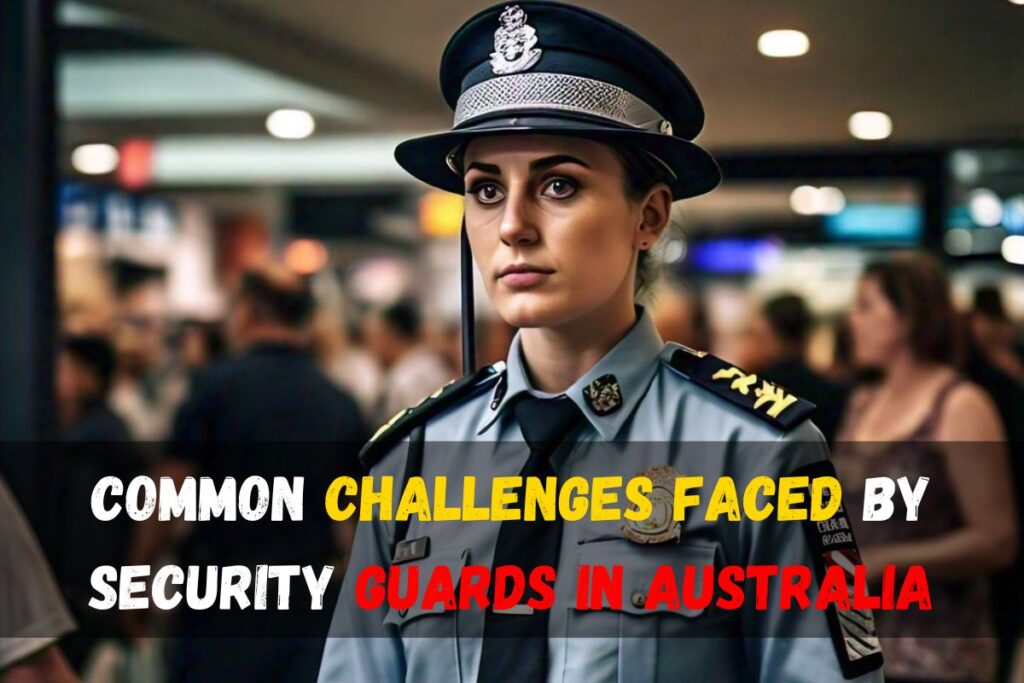
Common Challenges Faced by Security Guards in Australia September 12, 2024 Security guards in Australia play a vital role in maintaining safety and security across various sectors. They protect businesses, individuals, and properties, safeguarding environments from threats such as theft, violence, and other security breaches. Despite their importance, security guards face numerous challenges that make their jobs both demanding and, at times, risky. This blog post explores the obstacles they encounter daily and highlights potential solutions to these ongoing issues. Visit here for explore our guard services Crisis Management One of the most critical responsibilities of a security guard is managing crises effectively. Whether it’s a natural disaster, a violent altercation, or a significant security breach, guards must act swiftly and decisively. The ability to make quick, informed decisions during emergencies is essential. For instance, a fire breaking out in a commercial building requires immediate evacuation, while a violent incident in a public area demands strategic intervention to avoid escalation. Proper crisis management training is indispensable, equipping guards with the necessary skills to handle high-pressure situations confidently and efficiently. Regular drills and scenario-based exercises can significantly enhance their preparedness. Outdated Technology and Cybersecurity Many security guards still work with outdated technology, such as malfunctioning cameras or radios with limited range. This leads to operational inefficiencies and potential gaps in surveillance. With advancements in security technology, guards are now expected to operate modern systems like advanced surveillance tools and real-time reporting software. However, the transition to newer technology can be slow and expensive for some security companies, leaving guards to work with subpar equipment. Cybersecurity also plays an increasingly important role in physical security. As businesses face growing cyber threats, security guards must be aware of how digital vulnerabilities can impact physical security operations. Regular cybersecurity training helps guards recognize potential cyber threats and ensures they are well-versed in both physical and digital protection methods. Dealing with Difficult Individuals and Potential Confrontations Security guards often confront challenging individuals, ranging from intoxicated persons to aggressive vandals and thieves. Handling these situations requires a combination of physical readiness and legal awareness. Guards must manage confrontations within the boundaries of the law, knowing when to use self-defense and when to de-escalate tensions through conflict resolution techniques. Training in de-escalation and self-defense is crucial. The ability to neutralize potentially violent situations without escalating them is a hallmark of a well-trained guard. Nevertheless, repeated confrontations can take a toll on a guard’s mental and emotional health, leading to stress and burnout. Security firms should provide mental health support and promote a culture of care for their personnel. Fatigue and Health and Safety Risks The physical demands on security guards are often underestimated. Long hours of standing, patrolling, and maintaining vigilance can lead to significant fatigue. Exhaustion impairs alertness, increasing the risk of mistakes that could compromise security. Additionally, guards are prone to injuries, particularly musculoskeletal issues, due to constant physical activity or poorly designed equipment. To address these health risks, security companies should prioritize employee well-being by implementing reasonable shift schedules, providing regular rest breaks, and offering access to health and wellness programs. Regular assessments of work environments can help identify areas where safety can be improved, minimizing long-term physical strain on guards. Hiring, Training, and Insider Threats Recruiting qualified security personnel is a persistent challenge in the industry. High turnover rates make it difficult to retain skilled and reliable individuals, often resulting in understaffed teams. Comprehensive training programs are essential to prepare guards for a wide range of situations, from crisis management to dealing with potential insider threats. Insider threats — risks posed by employees or individuals with access to sensitive areas — have become a growing concern. Guards must be trained to detect suspicious behaviors among staff and prevent internal security breaches. Strong vetting processes and continuous monitoring of both security staff and other personnel are essential measures in mitigating insider risks. Workplace Violence and Dangerous Situations Workplace violence has become more prevalent, particularly in industries like healthcare, retail, and hospitality, where security guards often intervene. These situations expose guards to dangerous scenarios, where they may become direct targets of aggression. Comprehensive training in threat assessment, situational awareness, and handling violent encounters is critical for ensuring both the safety of the guards and those they are protecting. Security companies should also provide guards with appropriate protective equipment and clear protocols to follow during high-risk incidents, minimizing harm during confrontations. Legal and Liability Issues Security guards in Australia must operate within strict legal guidelines, especially regarding the use of force, detainment, and the protection of property. Understanding these legal boundaries is crucial to prevent overstepping and facing liability issues. For instance, excessive use of force can lead to legal consequences for both the guard and their employer. Regular legal training is necessary to keep guards up to date with the latest laws and regulations. This ensures they perform their duties effectively while avoiding actions that could result in legal repercussions. Low Pay, Career Growth, and Public Perception Many security guards feel that their compensation does not match the risks and responsibilities they undertake, contributing to job dissatisfaction and high turnover rates. Furthermore, career growth opportunities within the security sector are often limited, leading to frustration among those seeking long-term advancement. Public perception also plays a role in the morale of security guards. Often undervalued and overlooked, their contributions are not always recognized, further diminishing their motivation. Addressing these issues through advocacy for better pay, career development opportunities, and efforts to improve the public image of security professionals is crucial for the future of the industry. Communication Breakdowns and Coordination Issues Effective communication is essential for security guards, especially during large events or emergencies. However, communication breakdowns between guards, clients, and law enforcement can occur, leading to mismanagement of critical incidents. These lapses can result in delayed responses, confusion, and increased safety risks. Security firms should invest in modern communication tools, such as reliable radios and real-time reporting apps, and establish clear communication protocols. Regular
The Role of Technology in Enhancing Security Guard Efficiency

The Role of Technology in Enhancing Security Guard Efficiency August 10, 2026 Security in Melbourne is no longer just about a guard walking around with a flashlight. The world of security has changed dramatically and technology is at the heart of this change. From smart cameras and AI-powered systems to drones and real-time apps, modern innovations are giving security guards in Melbourne new tools to keep people and properties safe. This guide will walk you through how technology is changing the way security guards work, how it makes Melbourne safer, and why businesses and homeowners are trusting modern security services more than ever. The New Face of Security Guarding A few years ago, security guards mainly relied on physical patrols and manual reporting. Today, their roles have evolved. Guards now use advanced surveillance systems, mobile apps, and data tools to detect, respond, and report incidents faster than ever. Modern-day guards are no longer just “watchers”, they’re tech-enabled professionals. They combine their instincts and experience with digital tools that boost awareness and efficiency. This means faster responses, better accuracy, and improved safety for everyone. If you want to see how this modern approach looks in practice, check out our Static Security Guards in Melbourne page for a closer look at how trained guards and technology work hand in hand. Smarter Surveillance Systems: Eyes That Never Blink Gone are the days of blurry CCTV footage and blind spots. Today’s surveillance systems use AI powered analytics, night vision, motion detection, and HD video streaming. These systems automatically detect suspicious activity, recognize faces, and even track movement patterns. For Melbourne businesses from shopping centres to offices this means enhanced protection and less reliance on manual monitoring. Our Shopping Centre Security Services team, for example, uses these tools to watch over busy areas in real time, identifying potential threats before they become serious. The Power of Mobile Patrol Apps Mobile apps are transforming how guards communicate and stay organized. GPS-based tracking ensures every patrol route is covered, while instant incident reporting keeps supervisors updated in real time. If an issue arises, guards can instantly share photos, videos, or alerts through their mobile app. This speeds up response time and improves overall security coordination. Businesses that rely on Mobile Patrol Security Services in Melbourne benefit from both the human presence and the precision of tech-based monitoring. Advanced Access Control: Smart Entry for a Safer World Key cards, biometric scanners, and RFID systems have replaced old-fashioned locks and keys. These smart access tools ensure only authorized people enter restricted zones reducing human error and preventing unauthorized entry. By combining access control with real-time monitoring, security guards in Melbourne can focus more on analysis and quick decision-making rather than manual gatekeeping. If your site needs advanced access systems with professional supervision, explore our Corporate Security Services in Melbourne to see how we protect workplaces with integrated technology. Drones and Aerial Security: Watching from Above Drones are no longer just for photography they’re powerful tools for large-scale security. With HD and thermal cameras, drones can scan big areas like construction sites, parking lots, and event venues within minutes. For example, our Construction Site Security in Melbourne team uses drones to monitor wide zones, reducing the need for multiple on-ground patrols. This gives faster coverage and better response in case of suspicious activity. Artificial Intelligence: Predicting Threats Before They Happen AI systems can now analyze camera footage and identify unusual behaviors, like loitering or forced entry, before a human might notice them. These smart systems learn over time, helping guards predict risks instead of just reacting. In Melbourne, Electronic Security is also becoming more popular because AI-powered analytics reduce false alarms and improve response times. AI doesn’t replace human guards it empowers them to make smarter, faster decisions that protect people and assets more effectively. IOT and Smart Devices in Modern Security The Internet of Things (IOT) connects all security devices cameras, alarms, sensors, and lighting into one central system. Guards can now monitor everything from one screen, even on mobile. This connected setup improves coordination and ensures nothing goes unnoticed. Many Concierge Security Services in Melbourne teams use IOT systems to manage entry logs, visitor monitoring, and emergency alerts smoothly and efficiently. Smart Wearables: Safety on the Go Smart wearables are giving guards an extra layer of safety. From body cameras to GPS trackers and health sensors, technology ensures that guards remain safe and accountable while on duty. If something unusual happens like a fall or sudden health issue the system sends alerts to supervisors instantly. These tools not only protect guards but also improve transparency and trust between clients and security providers. Cybersecurity: Protecting Digital Data As physical security goes digital, protecting data becomes just as important as protecting buildings. Security companies now use encrypted systems, firewalls, and secure communication platforms to prevent hacking or data leaks. Training guards in cybersecurity is equally vital. Knowing how to recognize phishing attempts or secure digital devices ensures that every part of the system stays safe. Real-Time Incident Reporting and Cloud Records Paper reports are a thing of the past. Guards now use cloud-based tools to report incidents instantly. Supervisors can view updates in real time, no matter where they are. This makes tracking easier and helps create detailed logs for audits or investigations later. Many Melbourne clients appreciate this transparency because it builds trust and ensures accountability. Security Robots: The Future Has Arrived Robots are now assisting human guards in patrolling large spaces like airports, hospitals, and warehouses. They can move around, scan areas for unusual activity, and send alerts to human operators. This doesn’t replace humans it complements them. Robots handle repetitive or high-risk tasks while human guards handle decision-making and emergencies. If your site demands 24/7 monitoring, pairing smart robots with Hospital Security Services in Melbourne or corporate sites can improve efficiency and reduce risk. The Cost Efficiency of Technology Integration Using modern technology might seem expensive at first, but it’s actually cost-efficient in the long run.