


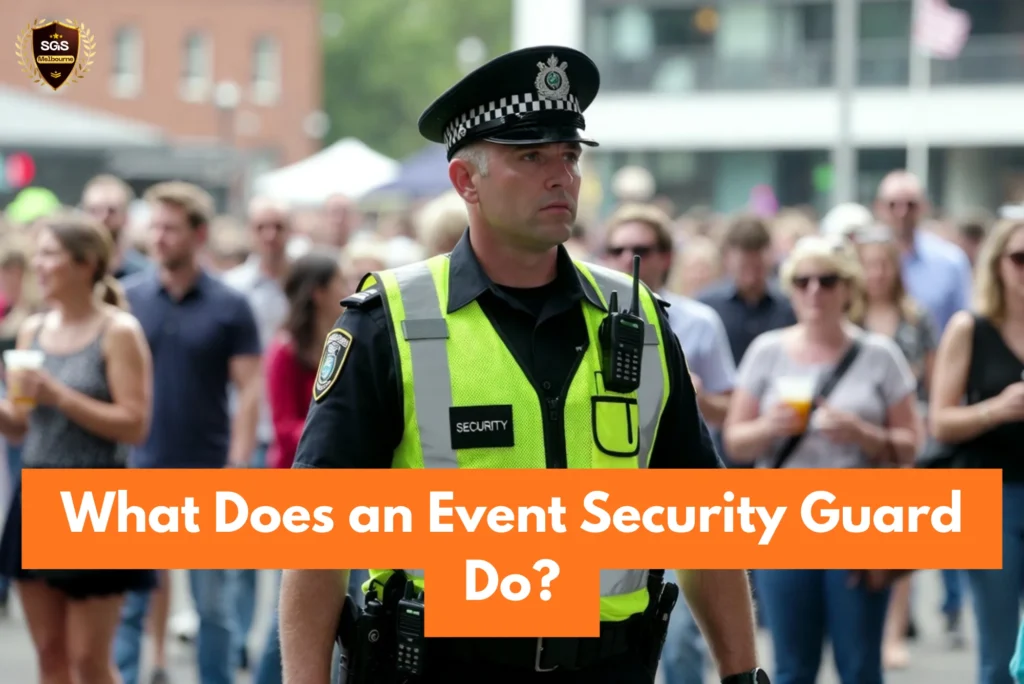
What Does an Event Security Guard Do? Essential Duties for Safe Events
February 13, 2026
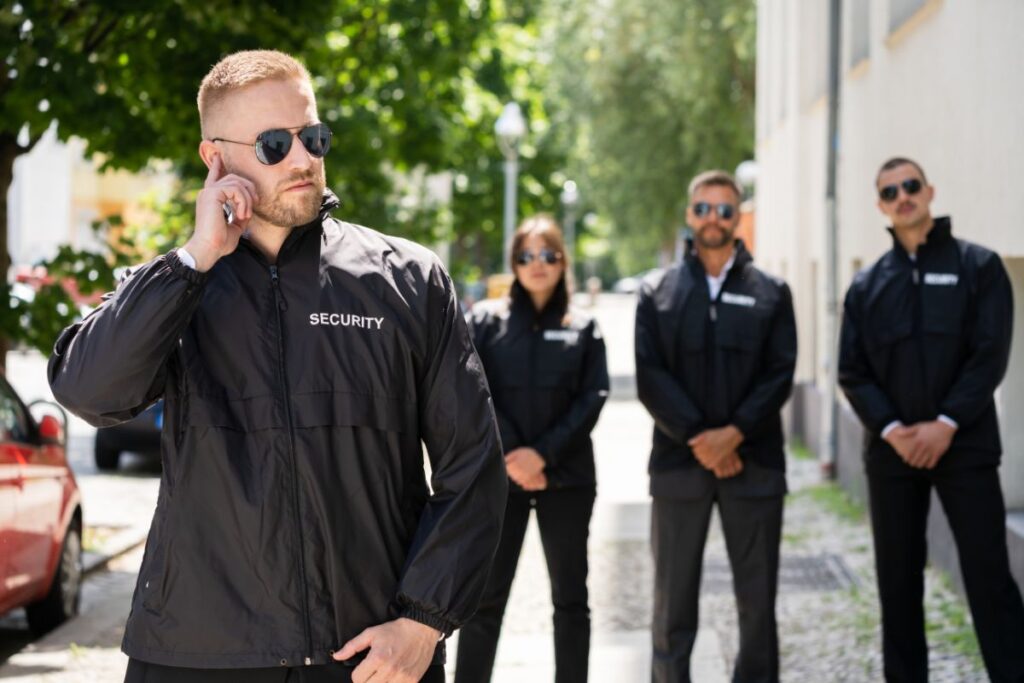
Ever wondered how massive concerts or bustling festivals stay fun and trouble-free? That’s the magic of event security guards (your behind-the-scenes heroes) who keep chaos at bay.
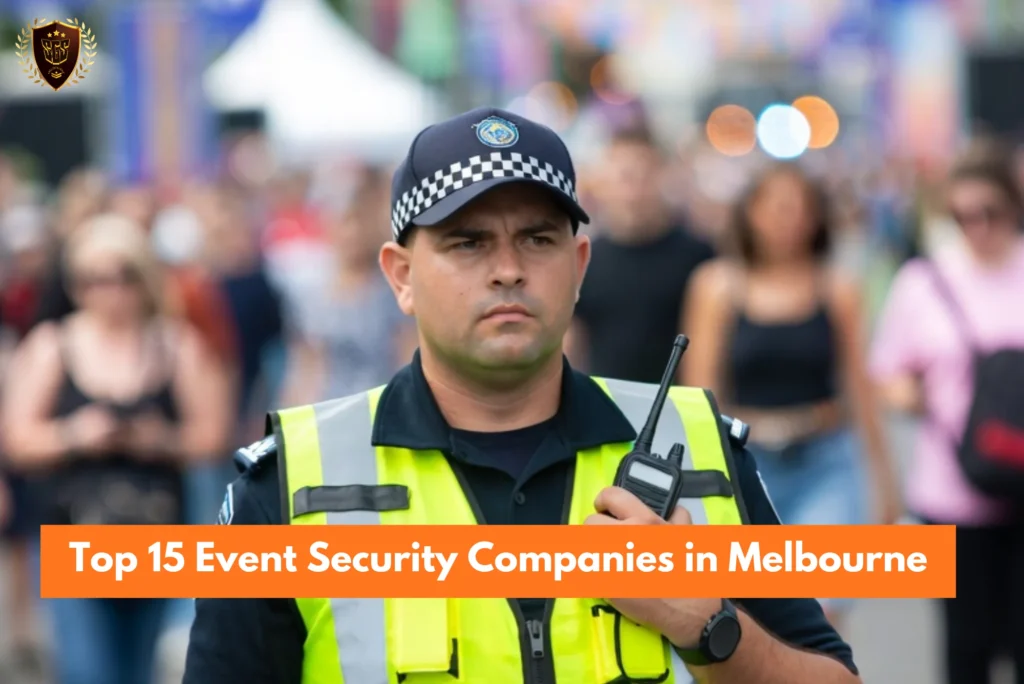
An event security guard protects attendees, staff, and property by monitoring crowds, preventing disruptions, and responding to emergencies swiftly. They handle access control, patrol venues, and coordinate with teams to ensure everything runs smoothly, going far beyond simple door checks to anticipate risks and maintain a safe vibe.
In short, they were essential for any gathering, from corporate events to sports matches security, turning potential hazards into worry-free experiences.
This thorough guide breaks down their key roles, responsibilities, and why hiring pros can elevate your next event.
Understanding the Role of an Event Security Guard
These pros keep people, places, and settings safe at different events. They watch entrances, keep order, and fix issues. Unlike regular guards, they focus on busy spots with lots of people, making sure everything is safe and runs well.
They team up with event planners, police, and rescue crews to stop dangers before they grow. A good guard mixes watchfulness, fast choices, and clear talk to protect guests and cut risks for planners. Melbourne event security is one of the toughest roles to manage, given the diverse crowds and dynamic environments in the city.
Many event hosts or organizer pick professional security guard services to handle events well from start to end.
Why Event Security Is Essential for Safe Gatherings
Protection at occasions is vital, not discretionary.
With large groups of people in one location, risks such as theft, medical emergencies, unruly behavior, and unauthorized access increase significantly. Event security personnel help prevent incidents before they happen, maintain crowd discipline, and provide reassurance to attendees and staff.
They act as the first line of defense, reducing the likelihood of accidents and ensuring compliance with safety regulations. By working with experienced teams, event planners can create a secure environment that encourages attendance and enhances the overall success of the event.
10 Key Responsibilities of an Event Security Guard
Event guards handle multiple responsibilities simultaneously. Their main tasks include monitoring entrances and exits, checking credentials, patrolling event areas, and responding to emergencies. They also manage crowd movement, prevent unauthorized access, and detect suspicious behavior.
Beyond physical security, guards often assist with event logistics, support staff, and provide information to attendees. Their role requires vigilance, quick thinking, and professional communication, ensuring a safe environment for everyone at the venue.
1. Preparation and Threat Evaluation Before the Occasion
Before any event begins, security guards participate in thorough planning and risk assessment. This involves evaluating the venue, identifying potential hazards, and creating a security plan. They consider crowd size, access points, emergency routes, and specific threats such as theft or medical emergencies.
Risk assessment helps security teams anticipate challenges, allocate resources efficiently, and ensure that the necessary safety measures are in place. Professional planning minimizes risks and prepares guards to respond effectively in real-time situations.
2. Crowd Control Strategies and Best Practices
Managing large crowds is one of the most critical aspects of event security. Guards use barriers, designated walkways, and organized entry points to control movement and prevent overcrowding. Effective crowd control also involves monitoring behavior, maintaining clear sightlines, and coordinating with other team members.
For high-energy environments like live performances, many organizers prefer to hire concert security guards in Melbourne to manage stage access, backstage areas, and crowd surges near performance zones.
3. Access Control: Managing Entry and Identification
One of the primary duties of event guards is managing access points. This includes checking tickets, identification, or guest lists, and preventing unauthorized entry. Guards may also inspect bags or enforce prohibited items policies.
Effective access control ensures that only authorized individuals enter the venue, protecting attendees and assets from theft, disruptions, or security breaches. It also helps maintain the event’s schedule by reducing bottlenecks and ensuring smooth entry procedures.
4. Surveillance and Monitoring During Events
Security guards constantly monitor the event environment using both physical observation and CCTV systems. Surveillance allows guards to identify suspicious behavior, track incidents, and respond quickly to emergencies.
Some events may also have centralized monitoring rooms, where security personnel oversee multiple areas at once. By combining active patrols with technology, guards can cover large areas efficiently and maintain a high level of safety throughout the event.
5. Conflict Prevention and De-Escalation Techniques
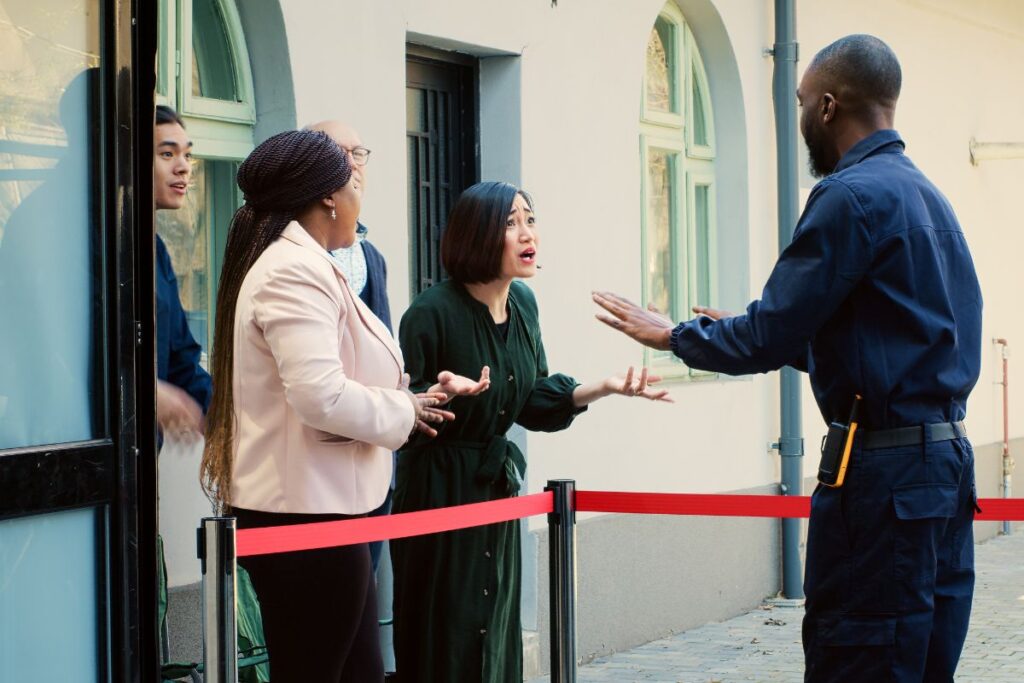
Conflict prevention is a critical skill for events security. They are trained to handle confrontations calmly, using verbal communication, body language, and professional authority to de-escalate tense situations. Guards avoid unnecessary physical intervention unless absolutely required for safety.
This approach protects both the security personnel and attendees while maintaining a safe and controlled environment. Conflict management also helps prevent minor disputes from escalating into serious incidents.
6. Emergency Response Duties and Protocols
In the event of emergencies such as medical situations, fires, or evacuations, security guards follow strict protocols. They are trained to provide first aid, coordinate with emergency responders, and guide attendees safely out of danger.
Emergency response duties require quick thinking, clear communication, and decisive action. Guards ensure that everyone remains safe while minimizing panic and maintaining order throughout the event.
7. Communication Skills Every Security Guard Must Have
Strong communication is essential for event security guards. They must convey instructions clearly to attendees, coordinate with colleagues, and report incidents to supervisors.
Effective communication also involves active listening, calm verbal interaction, and using radios or other devices efficiently. Guards with excellent communication skills can prevent misunderstandings, respond faster to emergencies, and maintain a professional presence throughout the event.
8. Customer Service and Public Interaction at Events
Event security guards are not only enforcers of rules — they are also representatives of the event. They assist attendees, provide information, and ensure a welcoming environment while maintaining safety.
For large public gatherings like festivals, organizers often get professional security for your festival to handle crowd safety, VIP zones, and emergency coordination effectively.
9. Event Security for Sports and Large-Scale Competitions
Sporting events such as cricket matches in stadiums or any outdoor school sports events require specialized planning due to competitive environments and passionate crowds. Security teams manage entrances, seating areas, restricted zones, and emergency exits.
10. Required Training and Certifications Required for Event Security Guards
Professional event security guards undergo specialized training and hold certifications depending on local regulations. Training covers crowd management, first aid, emergency response, legal responsibilities, and conflict de-escalation.
Certification ensures that guards are prepared to handle high-pressure situations professionally. Ongoing training helps security teams stay updated on the latest safety protocols and industry standards.
Wrapping Up: Why Good Event Security Counts
As you’ve explored the multifaceted world of event security guards, from initial assessments to on-site interactions, does this overview align with what you expected? Have you gained clearer insights into how these professionals contribute to seamless, protected gatherings?
We are hoping you got all you need to know.
In the end, choosing skilled teams not only avoids issues but also makes the whole thing better for planners and guests. If you’re planning an occasion, consider how such expertise could transform your event into a worry-free success.
Ready to enhance your next gathering?
Reach out to Our Professional Security Team for any type of event security services in Melbourne.