



Top Security Threats in Australian Retail and How Guards Mitigate Them
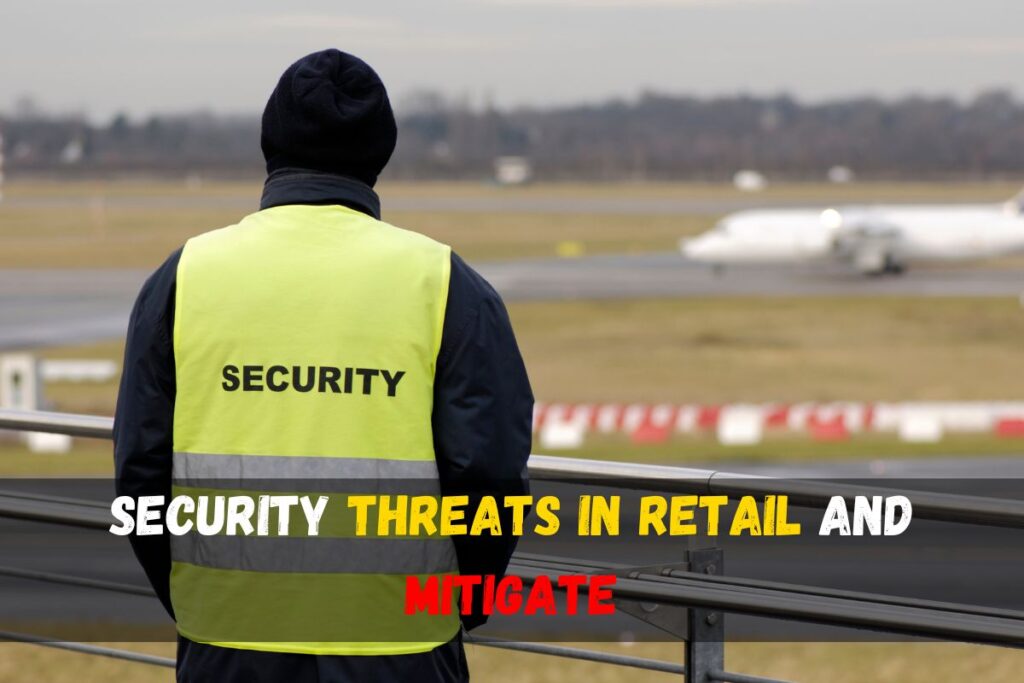
Top Security Threats in Australian Retail and How Guards Mitigate Them November 1, 2024 [featured_image] In Australia’s bustling retail industry, security threats are diverse and ever-evolving. From everyday challenges like theft and vandalism to more sophisticated threats involving cybersecurity, retail businesses face risks that require both expertise and adaptability to manage. Experienced security guards play a crucial role in addressing these challenges, ensuring the safety of customers, staff, and assets. This article explores the top security threats in Australian retail and how professional security guards mitigate them effectively. Understanding the Scope of Security Threats in Retail Security threats in retail go beyond mere theft; they encompass various issues such as employee fraud, property damage, cyber threats, and violent confrontations. Each threat requires a tailored approach from guards who are trained to anticipate, recognize, and respond to incidents swiftly and professionally. Knowledge of different types of security guard services available in Australia can help business owners choose appropriate solutions to address these specific risks effectively. Shoplifting and Theft: A Persistent Retail Challenge Shoplifting is one of the most frequent issues retailers face, with incidents ranging from casual “grab-and-go” thefts to coordinated group theft. Security guards serve as a visible deterrent, which alone can reduce shoplifting attempts. They monitor high-risk areas and are trained to recognize suspicious behaviors, acting discreetly to prevent escalation. Guards also collaborate with store employees to identify common shoplifting tactics, providing continuous training to staff on effective theft prevention. How to Establish a Security Guard Business in Australia offers insights for those interested in exploring security services as a business solution for retail security challenges. Managing Employee Theft and Internal Fraud Employee theft can be particularly damaging to retailers, as it often goes undetected for extended periods. This type of theft can take many forms, from unauthorized discounts to outright cash skimming. Security guards help mitigate this risk by performing regular inventory checks, monitoring sensitive areas like stockrooms, and assisting in enforcing strict access controls. Their presence discourages dishonest behaviors and fosters a culture of accountability. Guards also collaborate with management to implement reporting systems that allow other employees to safely report suspicious activities, thereby creating a secure and ethical work environment. Addressing Vandalism and Property Damage Vandalism, particularly in high-traffic or high-risk areas, is a significant concern for Australian retailers. Whether it involves graffiti, broken windows, or tampering with store property, vandalism harms both a store’s image and its finances. Security guards patrol the premises regularly, monitor surveillance feeds, and report any signs of vandalism or trespassing. They are also trained to respond quickly to vandals, minimizing property damage through their prompt action. By addressing vandalism proactively, guards help retailers maintain a professional appearance and minimize unnecessary repair costs. Robbery and Violent Incidents: Ensuring Safety in High-Risk Situations Robberies pose a serious threat to retail businesses, as they often involve aggressive and potentially dangerous confrontations. Security guards are trained in de-escalation techniques, which enable them to handle tense situations calmly and reduce the risk of harm. In a robbery scenario, guards are prepared to assist with evacuation, provide immediate support to affected individuals, and secure the scene until law enforcement arrives. Their quick, measured response ensures the safety of both employees and customers, while also protecting assets from theft or damage. To further understand how guards handle high-stakes situations, the responsibilities of security guards in Australia offers an overview of the training and protocols guards follow. Cybersecurity Threats and Digital Fraud in Retail With the rapid digitization of retail, cyber threats have become a growing concern. Hackers may attempt to access sensitive customer information, compromising both privacy and trust. While cybersecurity primarily falls under the domain of IT, security guards play a supporting role by enforcing physical security measures that limit unauthorized access to sensitive areas, such as server rooms. Guards also help monitor for any suspicious behavior from employees or visitors who may have access to digital systems. This holistic approach, combining IT security with physical security protocols, significantly reduces the risk of digital fraud and data breaches. Counterfeit Money and Fraudulent Transactions Counterfeit money and credit card fraud represent another ongoing challenge for retailers, leading to substantial financial losses. Security guards are trained to identify counterfeit currency and fraudulent behaviors, closely observing customer interactions at the point of sale. Their expertise allows them to quickly spot inconsistencies, helping to prevent the acceptance of counterfeit money or stolen cards. In cases of repeated fraud attempts, guards often collaborate with law enforcement to create a preventative action plan, which includes alerting nearby businesses to emerging fraud patterns and ensuring heightened vigilance during high-traffic periods. Crowd Management During Sales and Promotional Events Sales events attract large crowds, which increases the risk of shoplifting, altercations, and accidents. Security guards play an essential role in maintaining order by directing customer flow and preventing overcrowding. They manage entry and exit points and provide assistance during emergencies, ensuring that customers feel safe throughout the shopping experience. Trained in crowd control techniques, guards respond quickly to any disputes or hazards, creating a safer environment even during peak shopping hours. The Role of K-9 Units in Security Guard Services can be beneficial in large events, where these specialized units assist guards in deterring crime and enhancing safety. Handling Suspicious Packages and Safety Risks Suspicious packages can present a significant threat to retail environments, especially with the increasing frequency of threats in urban areas. Security guards receive specialized training on identifying and handling suspicious packages, ensuring they manage the situation carefully without causing alarm. They are skilled at isolating areas if necessary and coordinating with bomb disposal experts if a real threat is detected. Their expertise in recognizing and dealing with potentially dangerous situations safeguards customers and staff alike. For more insights, refer to How Security Guards Handle Suspicious Packages: A Comprehensive Guide, which provides a step-by-step approach to threat management. Ensuring Health and Safety Compliance in Retail Environments Security guards are often tasked with upholding health and safety standards in the retail environment.
How to Establish a Security Guard Business in Australia

How to Establish a Security Guard Business in Australia October 28, 2024 [featured_image] Starting a security guard business in Australia is a venture that can bring both financial success and the satisfaction of providing essential protection to clients. Given the increasing demand for safety and security, this industry offers ample opportunities for growth. This guide will take you through each step in establishing a successful security guard business, covering everything from market research to compliance and marketing. How to become a security guard in Australia? 1. Conducting In-Depth Market Research to Identify Your Niche and Client Needs Before diving into the security industry, it’s crucial to conduct comprehensive market research to understand the current landscape and identify your ideal niche. Begin by examining local and national demand for various types of security services, such as event security, retail and loss prevention, corporate security, and residential patrol services. Australia has diverse security needs across these sectors, and targeting a specific niche helps position your business effectively in the market. Use surveys, competitor analysis, and interviews with potential clients to gather data on gaps in existing services. Additionally, analyzing industry reports and government data on security trends will provide valuable insights that can shape your business strategy. 2. Crafting a Comprehensive Business Plan That Defines Your Goals and Financial Strategy A well-structured business plan is foundational to launching and sustaining a security guard business. Start by outlining your company’s mission, vision, and core values, as these will guide your brand identity and help differentiate you from competitors. Include a detailed description of the services you plan to offer, your target market, and a unique value proposition. Next, address your financial projections, estimating startup costs, expected revenue, and profitability timelines. Your plan should also include an analysis of operational costs such as training, equipment, insurance, and employee wages. A comprehensive business plan not only provides a roadmap for your business but also positions you to secure funding or attract potential investors. 3. Meeting Legal and Licensing Requirements for Security Companies in Australia Starting a security guard business requires strict adherence to Australia’s regulatory and licensing requirements. In each state or territory, you must apply for a Private Security Business Licence, which validates your company’s qualifications to provide security services. You will also need an Australian Business Number (ABN) and to register your business with the Australian Business Register. Additionally, each security officer you employ must complete accredited training, like the Certificate II or III in Security Operations, and hold individual security licences. Regularly review these requirements as state regulations may vary, and staying compliant ensures you avoid legal issues and maintains your business’s reputation. 4. Obtaining Certifications and Ensuring Staff Training Standards Are Met Certifications are a hallmark of professionalism and are essential in the security industry. To build a reputable team, ensure all employees complete government-approved training programs. Start with basic certifications such as Certificate II or III in Security Operations, which covers essential skills like risk management, emergency response, and first aid. Offering advanced training in conflict resolution, crowd control, and surveillance enhances your team’s abilities and increases the value you provide to clients. Regular skill updates and annual compliance checks will keep your staff prepared for changing security demands and maintain high service standards across your operations. 5. Securing Comprehensive Insurance Coverage to Protect Your Business and Staff Insurance is indispensable in the security industry, where risks are a daily reality. As a business owner, securing public liability insurance protects you from potential claims of property damage or personal injury involving your services. Additionally, workers’ compensation insurance is legally required in most Australian states and covers any injuries your employees may sustain on duty. Explore specialized insurance products designed for security businesses that can cover liability for incidents related to property protection, surveillance, and crowd management. Proper insurance coverage not only safeguards your finances but also reinforces your commitment to a responsible and safe work environment. 6. Hiring Qualified Security Personnel and Building a Trustworthy Team The quality and professionalism of your staff play a significant role in the success of your security guard business. When hiring, prioritize individuals with relevant experience, proper certifications, and a clean background check. Implement a thorough recruitment process that assesses candidates’ interpersonal skills, physical fitness, and crisis management capabilities. Once hired, provide continuous training to refine skills in areas like communication, observation, and conflict de-escalation. Building a team of reliable and well-trained guards will set your business apart and instill confidence in clients who rely on you for their safety needs. 7. Providing Essential Equipment and Uniforms to Enhance Professionalism and Efficiency Equipping your staff with the right tools is essential for providing effective security services. Your business should invest in two-way radios, body cameras, flashlights, and other tools necessary for communication and documentation. Equally important is providing standardized uniforms that create a professional appearance and make guards easily identifiable. Consider additional technology such as incident-reporting software, GPS tracking for patrols, and surveillance systems to enhance operational efficiency. High-quality equipment not only ensures safety for both guards and clients but also adds to your agency’s credibility and professionalism. 8. Setting Up a Sound Financial System and Determining Service Pricing Establishing a solid financial structure is key to managing expenses and ensuring profitability. Open a dedicated business bank account to keep personal and business finances separate, which simplifies tax filings and improves expense tracking. Implement reliable accounting software to monitor income, track expenses, and maintain cash flow. When setting prices, research competitors to understand industry-standard rates and balance them with your service value. Offering a mix of hourly rates, daily rates, and annual contracts can attract diverse clients while allowing flexibility in meeting their specific needs. 9. Building a Professional Website and Establishing a Digital Presence A well-designed website is essential for establishing credibility and attracting clients. Your website should clearly outline your services, credentials, client testimonials, and contact information. Implement SEO best practices by optimizing for keywords like “security guard services Australia” to
The Role of K-9 Units in Security Guard Services
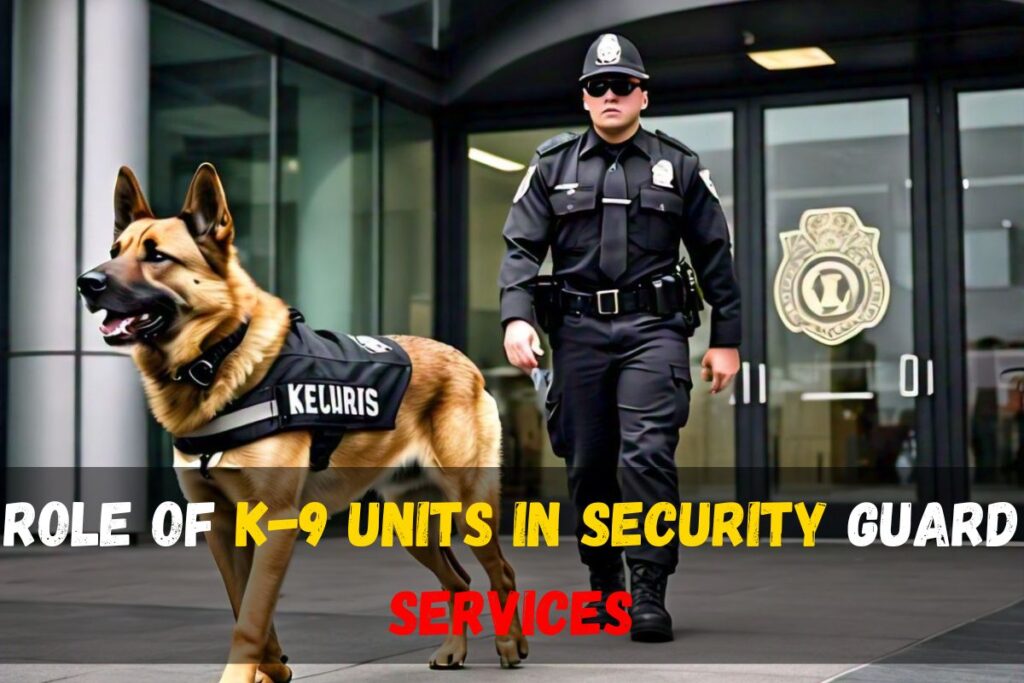
The Role of K-9 Units in Security Guard Services October 9, 2024 [featured_image] The use of dogs for security dates back to ancient times, with civilizations such as the Egyptians, Greeks, and Romans utilizing canines as protectors and sentinels. These early roles laid the foundation for the modern use of K-9 units. In military contexts, dogs have long been valued for their loyalty and exceptional sensory abilities. It was during World War I and II that dogs became more formally integrated into military operations, where they were used for sentry duty, tracking, and delivering messages. As military successes grew, K-9 units transitioned to civilian security roles. By the mid-20th century, police forces worldwide began incorporating K-9s into their crime prevention and law enforcement strategies. Key milestones in their integration into private security occurred when large-scale industries, airports, and government agencies realized the value of trained dogs in detecting threats like explosives, narcotics, and unauthorized intrusions. Today, K-9 units are integral to modern private security services, providing a reliable, non-lethal method of threat detection and prevention. How Security Guards Handle Suspicious Packages Why K-9 Units Are Effective in Security K-9 units stand out in security operations because of their unmatched sensory capabilities and agility. Dogs possess a sense of smell that is 10,000 to 100,000 times more acute than humans, enabling them to detect substances like drugs and explosives with remarkable accuracy. Additionally, their hearing is far superior, allowing them to detect movements and sounds beyond human range, such as the approach of intruders or distant disturbances. These natural abilities give K-9 units a distinct advantage over human security guards, particularly in high-risk areas like airports, warehouses, and government buildings. While humans rely on technology such as cameras and alarms, dogs can act as both a deterrent and a first response, immediately identifying and reacting to potential threats. This dual functionality—detection and deterrence—makes K-9 units highly effective. In fact, the visible presence of a K-9 unit often discourages criminal activity, making them a vital part of maintaining order in sensitive environments. Types of K-9 Units in Security K-9 units are not a one-size-fits-all solution; there are specialized types, each tailored to specific security tasks: Role of Security Guards in Airport Security Training of K-9 Units Training K-9 units is an intensive and continuous process, requiring both obedience and specialized skill development. The training typically begins with basic obedience, ensuring that the dogs respond to commands without hesitation, even in high-stress environments. This is followed by agility training, where dogs learn to navigate complex environments, from urban settings to natural terrains. A significant part of K-9 training involves scent detection, where dogs are taught to identify specific odors such as explosives, drugs, or firearms. This training is often customized to the environment in which the dog will work, such as airports or commercial buildings. Bite work, a critical component of patrol dog training, ensures that K-9s can subdue suspects effectively without causing unnecessary harm. Common Challenges Faced by Security Guards in Australia K-9 units undergo regular re-training and continuous assessments to maintain their operational readiness. Both the dog and its handler are required to stay up to date with the latest techniques, ensuring they work seamlessly together. Certifications and legal requirements vary by region but are essential to ensuring that K-9 units meet the rigorous standards needed for security operations. Role of K-9 Handlers The success of a K-9 unit depends not only on the dog but also on its handler. The relationship between the two is built on trust, communication, and mutual understanding. A handler must possess a deep understanding of canine behavior, as well as the ability to interpret the signals their dog is giving them. Handlers play a crucial role in guiding K-9s during operations, ensuring that they respond to commands and make appropriate decisions in real-time. In addition to being trainers, handlers are responsible for the care and well-being of their dogs, providing regular exercise, grooming, and medical attention to keep the K-9 in peak condition. K-9 handlers must undergo specialized training to work with their dogs effectively. This training includes learning how to handle stressful situations, how to interpret the dog’s signals, and how to communicate clearly with their K-9 partner. Certification is typically required to ensure that both the handler and the dog can work together safely and effectively in high-pressure environments. Technological Integration in K-9 Security The integration of modern technology into K-9 security operations has revolutionized the field, enhancing both the efficiency and safety of K-9 units. Tools like GPS tracking devices and body cameras allow handlers to monitor their dogs in real-time, improving situational awareness during security patrols. GPS tracking, in particular, ensures that handlers can locate their K-9s at any time, which is critical in large or high-risk areas. Body cameras attached to K-9s can provide live video feeds, giving security teams an immediate visual of a dog’s location or the presence of intruders. In addition, biometric sensors are increasingly used to monitor the dog’s vital signs, ensuring that they are operating within safe parameters during extended patrols or high-stress situations. Looking forward, artificial intelligence (AI) and data analytics are expected to further enhance K-9 operations. AI could assist in analyzing scent patterns, alerting handlers to unusual behavior, or identifying emerging threats more quickly. These technologies will not replace K-9s but will augment their abilities, allowing for more sophisticated and responsive security operations. Challenges in Managing K-9 Units Despite their many benefits, managing K-9 units comes with its own set of challenges. The cost of training and maintaining a K-9 unit is substantial, as is the time investment required to train both the dog and its handler. K-9s also require continuous care, including specialized diets, regular veterinary visits, and housing. There are also potential risks involved, including the possibility of a K-9 injuring a suspect or bystander, even if unintentional. Misuse of K-9s, such as deploying them inappropriately in non-threatening situations, can also lead to negative public perception. Addressing these risks
How Security Guards Handle Suspicious Packages: A Comprehensive Guide
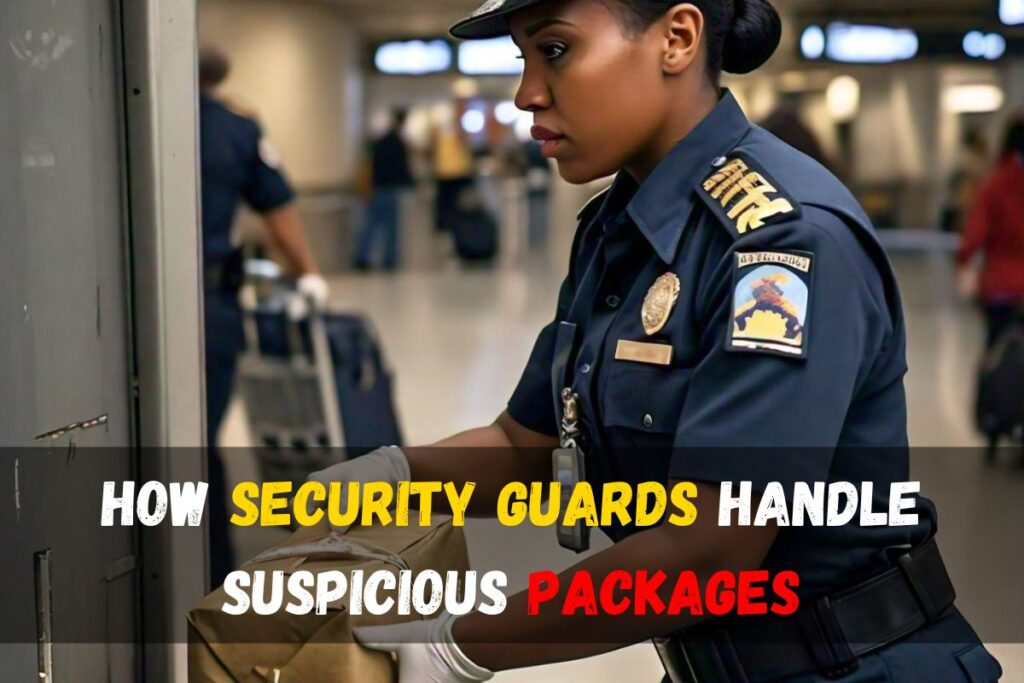
How Security Guards Handle Suspicious Packages: A Comprehensive Guide October 8, 2024 [featured_image] Security guards serve as the first line of defense in a wide range of environments, from corporate buildings to public spaces like airports or shopping centers. One of the most critical responsibilities they face is identifying and responding to suspicious packages, which can pose serious threats, including explosives, hazardous materials, or harmful chemicals. The way security guards handle these packages is crucial to ensuring public safety while preventing unnecessary harm. This guide explores the expert-level steps security guards follow when managing such situations, offering insight into identification, response protocols, and coordination with emergency services. Recognizing Suspicious Packages The ability to recognize a suspicious package is one of the foundational skills that every security guard must possess. Suspicious packages often display telltale signs that differentiate them from ordinary deliveries. These may include an unusual appearance, such as excessive tape, strange shapes, or an overly bulky structure. Other key indicators are poorly printed or handwritten labels, misspelled addresses, or packages missing return addresses. Additionally, packages that were not expected by anyone at the facility immediately raise suspicions. Security guards are also trained to notice sensory cues, such as strange odors or sounds like ticking, which could indicate the presence of explosives or hazardous materials. If a package is leaking liquids or powders or exhibits stains, this further heightens the risk. Recognizing these warning signs early is vital in initiating a proper response. Initial Response: Securing the Area Once a suspicious package is identified, the immediate priority is to ensure the safety of everyone in the vicinity. The first step is to secure the area by setting up a perimeter around the package. The size of this safety zone depends on the level of threat, but security personnel are trained to err on the side of caution, creating a large enough buffer to protect people from potential harm. Restricting access to the area is essential; unauthorized personnel should be kept out, and additional barriers may be deployed if needed. In situations where the threat is particularly serious, security guards must initiate an evacuation of nearby areas. This evacuation must be conducted calmly and in an organized manner to avoid panic. The goal during this phase is to limit exposure to the package and ensure that no one is placed at risk. Avoiding Direct Contact with the Package One of the most critical aspects of handling a suspicious package is that security guards are strictly trained not to touch or move it. The potential dangers of directly interacting with such a package—whether it’s an explosive device, a chemical threat, or a biological hazard—are too significant. Instead, guards are instructed to maintain a safe distance from the package and ensure that others do the same. Even law enforcement personnel will not approach the package without the proper tools and expertise. The role of the security guard is to keep the area secure and allow specialized teams, such as bomb disposal units or hazardous materials (HAZMAT) teams, to assess and handle the package. In this way, unnecessary risks are avoided, and the likelihood of triggering a dangerous situation is minimized. Communicating with Authorities and Supervisors Effective communication is vital when handling suspicious packages. Once a potential threat is identified, security guards must immediately inform the relevant authorities. Depending on the nature of the package, this might involve contacting local law enforcement, bomb disposal experts, or hazardous materials teams. Security personnel must provide detailed information, including the exact location of the package, its appearance, and any unusual characteristics observed, such as sounds or odors. Additionally, guards should keep their supervisors informed, as internal coordination is often needed to manage evacuation plans or secure additional resources. Clear and precise communication ensures that the appropriate professionals are notified and can respond in a timely manner. Utilizing Technology for Threat Assessment In modern security operations, technology plays a key role in assessing suspicious packages without putting personnel at risk. Security guards often use surveillance cameras to monitor the area surrounding the package, allowing them to keep watch without physically being present. In high-risk locations such as airports, security may have access to X-ray machines, which can help determine the contents of a package without opening it. Robotic systems are also increasingly used in such situations; these machines can approach and analyze the package from a safe distance, providing crucial information that helps responders decide the best course of action. Utilizing this technology enhances security operations and allows guards to minimize their exposure to potential dangers. Coordinating with Emergency Services Once local law enforcement or bomb squads arrive, the role of the security guard shifts to one of support and coordination. Guards must provide responders with accurate information about the package and its surroundings and ensure they have clear access to the site. While emergency personnel work to assess or neutralize the threat, security guards continue to play an important role by maintaining order in the area. They ensure that evacuation procedures are followed and that no unauthorized individuals enter the restricted zone. Guards may also assist with crowd control and help emergency services by providing access to video footage or other relevant information that could aid in the investigation. Continuous Training and Preparedness The ability of security guards to handle suspicious packages effectively is built upon continuous training and preparedness. Guards regularly participate in mock drills and simulated emergency scenarios that help them practice their response to various threats. Staying informed about emerging risks, such as new technologies or evolving terrorist tactics, ensures that guards are always ready to respond to new kinds of threats. Additionally, security personnel are often trained in first aid and emergency medical response, equipping them with the skills needed to assist if a situation escalates before emergency responders can arrive. This ongoing training helps maintain a high level of readiness and ensures that security guards are capable of handling even the most complex situations. Following Legal and Safety Protocols Adhering to