



Understanding the Importance of Crowd Management at Events
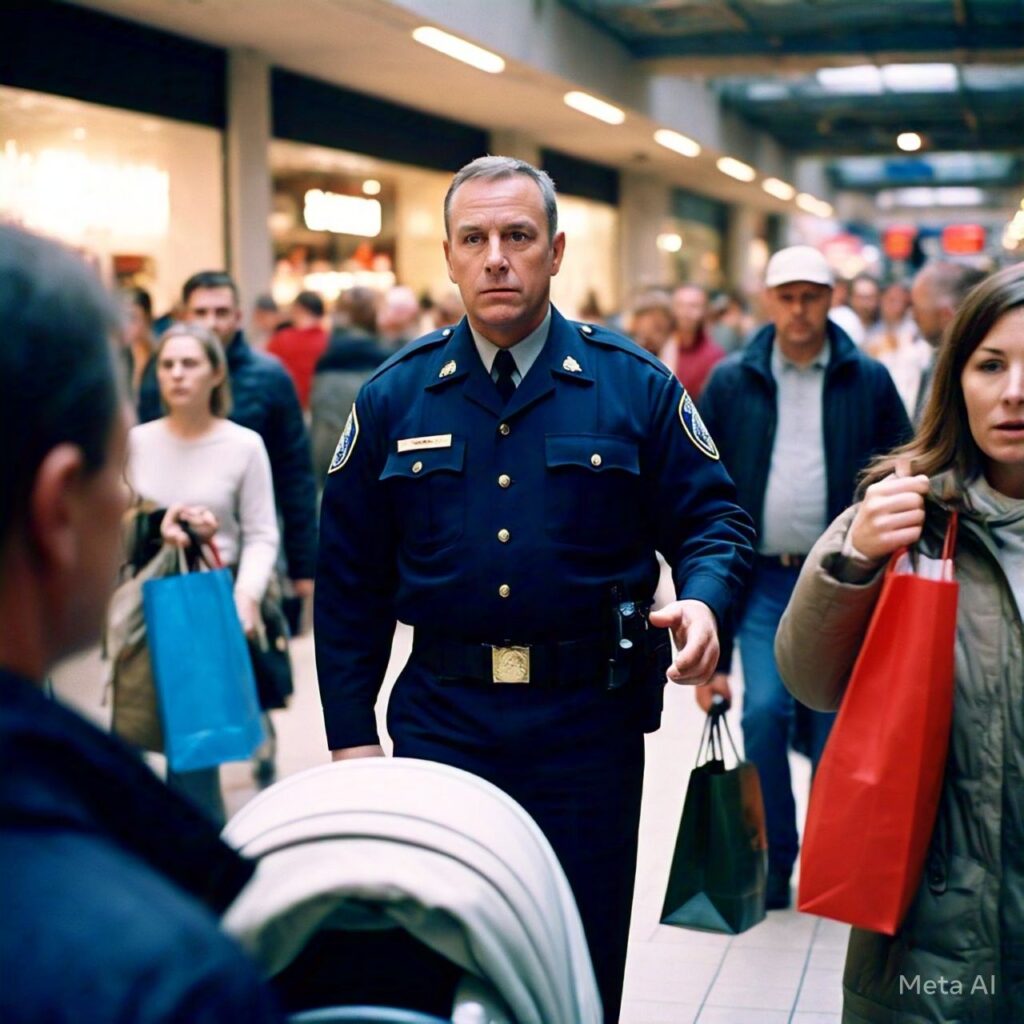
Understanding the Importance of Crowd Management at Events December 23, 2024 [featured_image] Crowd management is a critical component of event planning, ensuring the safety, comfort, and security of all attendees. Whether it’s a sports event, a concert, or a large-scale public gathering, the role of crowd management is crucial. A well-managed crowd not only ensures a positive experience for everyone involved but also mitigates potential risks such as accidents, violence, or crowd surges. Security guards are at the forefront of this effort, leveraging their skills and training to control crowd movement, respond to emergencies, and prevent security breaches. Effective crowd management requires a careful balance of proactive strategies and reactive responses. This is why hiring professional event controlling guards in Melbourne is essential to ensuring smooth operations at any large-scale event. Security guards are equipped to handle all aspects of crowd control, from managing entry points to guiding the flow of attendees, creating a safe environment for everyone involved. Key Responsibilities of Security Guards in Managing Event Crowds Security guards play a diverse and crucial role in crowd management at events. Their responsibilities go beyond mere supervision; they act as both deterrents and responders to ensure crowd control. Some of the key responsibilities include: By effectively executing these responsibilities, security guards contribute directly to the overall success and safety of an event. The Strategic Benefits of Security Guards in Event Crowd Control Hiring professional security guards for crowd control offers numerous strategic advantages. Their expertise provides peace of mind for both event organizers and attendees, ensuring that potential threats are minimized, and that any issues are dealt with efficiently. Key benefits include: By incorporating professional security teams, event organizers ensure that their event runs smoothly and securely, reducing the risks and challenges associated with large gatherings. The Essential Training and Expertise of Security Guards for Crowd Management The training and expertise required for effective crowd management go far beyond basic security procedures. Security guards assigned to events undergo specialized training to prepare them for the unique challenges they may face. Key aspects of their training include: This combination of practical training and psychological expertise ensures that security guards can handle any crowd-related challenge efficiently and effectively. Tools and Technology Utilized by Security Guards for Efficient Crowd Management To further enhance their ability to manage large crowds, security guards are equipped with an array of tools and technologies that allow them to monitor and control the situation with precision. Some of the key tools include: These tools not only enhance the efficiency of security personnel but also create a more secure environment for all attendees. Learn more about the role of security guards in managing workplace conflicts to see how these skills extend beyond just event security. Conclusion: In conclusion, security guards are indispensable to the successful management of event crowds. Their presence helps mitigate risks, maintain order, and ensure the safety of everyone involved. From monitoring attendee behavior to responding to emergencies, their training and expertise make them essential to large-scale event management. For event organizers, hiring professional security services is not just a precaution—it’s a critical investment in the safety and smooth operation of the event. For more insights into how security guards manage complex situations, explore our articles on Common challenges faced by security guards How to become a security guard in Australia. Related Posts The Role of K-9 Units in Security Guard Services Understanding the Limits: What Security Guards Can and Cannot Do Skills and Qualifications for a Private Investigator Security Guard vs. Watchman What’s the Real Difference? Responsibilities of Security Guards in Australia How to File a Complaint Against a Security Guard in Australia How much do security Guard companies charge in Australia How to Hire security guards in Australia? Understanding the Importance of Crowd Management at Events Evolution of Security Guard Training & Certification in Australia Top Security Threats in Australian Retail and How Guards Mitigate Them How to Integrate CCTV and Security Guards for Better Property Protection Understanding the Levels of Security Guards in Australia How Corporate Security Safeguards Melbourne’s Business Ecosystem The Role of Security Guards in Managing Workplace Conflicts The Importance of Body Cameras for Security Guards Common Challenges Faced by Security Guards in Australia The Role of Security Guards in Airport Security How to Establish a Security Guard Business in Australia How to become a security guard in Australia?
The Role of Security Guards in Managing Workplace Conflicts
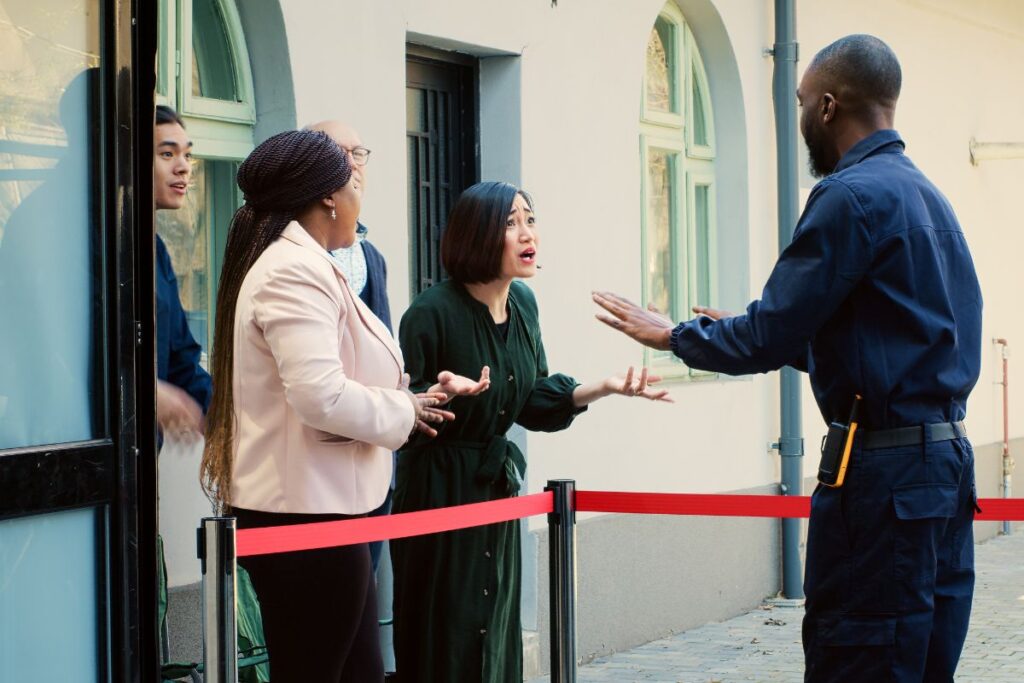
The Role of Security Guards in Managing Workplace Conflicts November 18, 2024 [featured_image] Workplace conflicts, if not addressed effectively, can disrupt organizational harmony, affect employee productivity, and lead to potential safety issues. Security guards serve as an essential component of conflict management by maintaining order, promoting a secure environment, and implementing resolution strategies. Security Guard Services brings this comprehensive article to explore the multifaceted role of guards in resolving workplace disputes. Preventing Conflicts Before They Arise Security guards play a proactive role in creating a harmonious workplace by identifying and addressing potential sources of conflict early. They are trained to observe body language, monitor interactions, and recognize situations that might escalate into disputes. By establishing a visible presence, security guards act as a deterrent against hostile behavior. Employees are less likely to engage in arguments or misconduct when they know a trained professional is observing. Additionally, security guards work closely with HR teams to maintain adherence to workplace policies, further reducing the chances of conflict. For environments like schools and educational institutions, early conflict prevention is even more critical. Learn how guards are trained for such scenarios on the role of guards in educational institutions. Facilitating Peaceful Resolutions In many cases, security guards serve as impartial mediators. Their role is to facilitate communication between conflicting parties, ensuring everyone has the opportunity to express their concerns. Using their training in de-escalation techniques, they guide discussions toward peaceful resolutions, promoting understanding and compromise. For corporate environments, where sensitive information or high-pressure deadlines can trigger disputes, the presence of security guards ensures professional and calm resolutions. Explore how this aligns with Corporate Security Guard services. Handling Physical Conflicts Safely When workplace conflicts escalate into physical altercations, security guards step in to restore order while ensuring the safety of everyone involved. Their training in crowd control, risk assessment, and physical intervention equips them to handle such scenarios effectively. Guards employ strategies to separate conflicting parties, diffuse the situation, and prevent further escalation. They also document incidents thoroughly, providing detailed reports for internal investigations or legal proceedings if necessary. For high-security environments like airports, where conflicts may arise due to stress or delays, security guards play a critical role. Discover more in the role of security guards in airport security. Enforcing Compliance with Workplace Policies Security guards ensure employees adhere to workplace rules and ethical standards, thereby reducing conflicts that arise from policy violations. Whether it’s addressing issues like harassment, tardiness, or misuse of company resources, guards act as enforcers of organizational policies. This proactive approach not only minimizes conflicts but also cultivates a culture of accountability and respect within the workplace. For schools, this responsibility extends to maintaining a safe learning environment. Know more about hiring security guards for your schools and colleges. Acting as a Reliable Point of Contact During Crises During severe conflicts or crises, security guards serve as the first responders. Their ability to remain calm under pressure, combined with their training in emergency response, makes them an invaluable asset. Guards coordinate with external agencies like law enforcement or emergency medical teams when needed. They also guide employees during evacuations or lockdowns, ensuring everyone’s safety. Building a Trustworthy Workplace Environment The consistent presence of security guards fosters a sense of trust and security among employees. Workers feel confident knowing they can rely on a professional to address conflicts or safety concerns without bias. This trust is especially vital in environments where employees interact with external parties, such as corporate offices or educational institutions. Guards enhance workplace morale by providing a secure foundation for productivity and collaboration. Specialized Training in Conflict Resolution Security guards undergo rigorous training that equips them with skills in nonviolent communication, active listening, and conflict de-escalation. This training is tailored to meet the unique challenges of various industries, ensuring guards can adapt their approach as needed. For workplaces with high-stress environments, such as corporate settings, this expertise ensures that conflicts are handled professionally and efficiently. Request trained professionals for your workplace via our quote request page. Collaborating with Management for Long-Term Solutions Security guards often collaborate with management and HR teams to identify recurring sources of workplace conflict. Through regular reporting and open communication, they provide valuable insights that help in crafting long-term strategies for conflict prevention. For example, guards might suggest changes in workplace layout to reduce congestion or recommend additional training programs for employees. This collaboration ensures a proactive approach to conflict management. By effectively managing workplace conflicts, security guards help organizations maintain a safe and productive environment. Their ability to prevent, de-escalate, and resolve disputes underscores their importance in today’s workplaces. If you’re looking to strengthen your workplace security, explore our tailored security services and get a quote today. Related Posts How to Establish a Security Guard Business in Australia How Security Guards Handle Suspicious Packages: A Comprehensive Guide How Security Guards Manage Safety Challenges at Oktoberfest Emergency Response Protocols Every Security Guard Should Know What is Mobile Security Patrol, and Why Do You Need It? Responsibilities of Security Guards in Australia The Role of Security Guards in Managing Workplace Conflicts Effective Self-Defense Tactics and Techniques for Security Guards The Role of Security Guards in Airport Security How to become a security guard in Australia? Top Benefits of Having Security Guards in High-Risk Areas Protective Security Officers in Melbourne: Roles, Benefits & When You Need One How Security Guards Support VIP and Executive Protection Evolution of Security Guard Training & Certification in Australia Different Types of Security Guard Services Understanding the Importance of Crowd Management at Events The Role of K-9 Units in Security Guard Services Why Shopping Centres Need Dedicated Security Teams How Corporate Security Safeguards Melbourne’s Business Ecosystem How much do security Guard companies charge in Australia
Effective Self-Defense Tactics and Techniques for Security Guards
Effective Self-Defense Tactics and Techniques for Security Guards November 14, 2024 [featured_image] In the high-stakes world of security, self-defense is more than just a skill—it’s an essential part of a security guard’s training and day-to-day readiness. From safeguarding high-risk areas to providing executive protection, the role of a security guard often demands quick reflexes, sound judgment, and tactical prowess. Learning effective self-defense tactics empowers guards to handle potentially hostile situations, ensuring their own safety and the safety of others. This article explores critical self-defense techniques every security guard should master, from situational awareness to the responsible use of defensive tools. Whether operating in educational institutions, securing VIPs, or managing entry points as static security guards, mastering these self-defense fundamentals is key to maintaining a safe and controlled environment. Situational Awareness: The Cornerstone of Security Situational awareness is arguably the most important aspect of a security guard’s self-defense toolkit. It involves being highly attuned to the environment, identifying unusual behavior, and staying alert for signs of potential threats. This skill enables guards to prevent incidents before they escalate, especially in high-risk areas where quick response time is crucial. By understanding the subtle cues—such as unusual body language or suspicious actions—guards can take preventative measures, staying a step ahead of potential confrontations. When providing static security, situational awareness helps guards monitor activity consistently, reducing risks by identifying issues early on. For security guards operating in educational institutions or high-traffic environments, this skill is especially valuable. A well-trained security professional can anticipate and de-escalate incidents before they turn into security breaches, helping create a safer atmosphere for students and staff alike. You can learn more about how guards contribute to safe educational environments here. De-escalation Techniques: Reducing Conflict Without Physical Force De-escalation is a critical technique for security guards, allowing them to manage aggressive situations without resorting to physical force. This skill is vital in areas where security presence alone might not deter unruly behavior, such as high-traffic public areas or during executive protection tasks. Effective de-escalation relies on verbal strategies, calm demeanor, and active listening, helping guards manage intense situations by reducing aggression levels. For instance, in a high-stress environment where VIPs are present, guards who employ de-escalation can handle disruptions diplomatically, maintaining order while minimizing risk. Utilizing open body language, speaking in a calm, measured tone, and acknowledging the individual’s concerns can have a significant impact on calming situations. Guards should remember that de-escalation doesn’t mean yielding but rather taking control through empathy and effective communication. For more insights on managing security for VIPs, refer to this guide on executive protection. Basic Physical Defense Tactics: Essential Moves Every Guard Should Know Physical defense tactics are essential for guards to protect themselves and others if a situation escalates into physical confrontation. Guards should master a solid defensive stance, proper footwork, and basic blocking techniques. A strong, balanced stance with a slight bend in the knees allows guards to maintain control and remain prepared to respond to an aggressor. Blocking techniques using the forearms or hands can shield guards from strikes, helping them remain safe until they can exit the confrontation or gain control of the individual. Practicing these tactics in regular training ensures that guards can handle unexpected confrontations calmly and effectively. In scenarios such as controlling entry points for static security or when managing large crowds, mastering these defensive techniques can prove invaluable. To learn more about how static guards contribute to overall security, explore this article. Escape and Evasion Tactics: Knowing When and How to Retreat Escape and evasion tactics are just as important as engagement techniques in security. A skilled security guard knows when to remove themselves from a dangerous situation, prioritizing their own safety and the safety of those around them. Quick footwork and strategic movement allow guards to evade an aggressor’s reach, giving them time to assess the situation and decide on the next step. In high-risk areas, these skills can be life-saving, as they prevent guards from becoming overwhelmed in hostile situations. Understanding the layout of the environment, including exits and safe routes, is fundamental to successful evasion. Guards should also be aware of any objects in their surroundings that could serve as barriers if they need to retreat. When working in areas prone to unexpected threats, escape and evasion are vital for keeping situations controlled and manageable. To understand more about guarding in high-risk areas, check out this article. Self-Defense Tools and Their Responsible Use Self-defense tools, such as pepper spray and batons, are non-lethal options that can be essential during a confrontation. However, proper training in the use of these tools is crucial to prevent misuse. Guards should understand when it’s appropriate to use pepper spray, and in what circumstances a baton might be necessary. The use of these tools must be responsible, ensuring that minimal force is applied to subdue or deter the aggressor effectively. Guards should practice these techniques regularly to ensure they can deploy them efficiently if the need arises. The goal is always to prevent escalation rather than inflict harm, and tools should only be used when absolutely necessary. Understanding and respecting local laws surrounding self-defense tools also helps guards remain compliant while carrying out their duties. To learn more about the services where such self-defense tools are commonly utilized, visit Security Guard Services. Legal and Ethical Considerations in Self-Defense Legal and ethical training is essential for security guards who are regularly exposed to potentially dangerous situations. Understanding the concept of “reasonable force” allows guards to apply force within legal boundaries, protecting themselves while staying compliant with laws governing the use of force. This knowledge is especially critical in settings where the presence of guards is high-profile, such as during VIP protection or in educational institutions. Ethical training instills the importance of maintaining public trust, prioritizing the well-being of all involved parties, and using self-defense measures only when absolutely necessary. Security guards are often seen as authority figures, and ethical conduct strengthens their reputation and the trust clients place
The Role of Guards in Educational Institutions
The Role of Guards in Educational Institutions November 12, 2024 [featured_image] Security is a fundamental concern for educational institutions, given the responsibility of ensuring student safety and safeguarding educational assets. Security guards are indispensable in this context, acting as protectors and facilitators who manage threats, maintain order, and promote a secure learning atmosphere. In this article, we’ll delve into the critical roles and responsibilities of security guards in educational environments, highlighting how they contribute to creating safe spaces for learning. Ensuring Safety and Security Security guards are the first line of defense in schools, colleges, and universities. Their primary responsibility is to monitor and control access, preventing unauthorized entry and ensuring only verified individuals gain access to the premises. Positioned strategically at entry points and main building exits, guards perform identity checks, manage visitor entry, and regulate traffic, reducing the chances of intruders compromising safety. In the case of high-risk areas, having dedicated security guards provides not only protection but also peace of mind for students, parents, and faculty. When an emergency occurs, security guards are trained to act swiftly and effectively. They’re equipped with emergency response protocols that help them manage crises like natural disasters, security breaches, or medical incidents. A strong, organized emergency response is crucial in high-pressure situations, and schools with guards who are trained in essential response protocols are better prepared to handle these challenges. Monitoring Surveillance and Security Systems Modern security practices rely heavily on technology, with CCTV systems and security alarms being integral parts of school security setups. Security guards play a crucial role in monitoring these surveillance systems, which allows them to identify and respond to suspicious activities in real time. With advancements in security technology, guards are now equipped with tools that allow them to cover larger areas effectively and enhance overall safety measures. Additionally, by staying vigilant over surveillance feeds, security personnel can detect potential threats like vandalism, theft, or unauthorized gatherings. Guards trained to use these technologies bring added value to educational institutions, as they’re capable of acting on real-time data. This proactive approach helps schools maintain a safe environment and prevent incidents before they escalate. Conducting Routine Patrols Patrolling is a critical aspect of security in educational institutions. Regular patrols allow security guards to monitor various parts of the premises, such as classrooms, playgrounds, hallways, and parking lots. By maintaining a visible presence, guards can deter misbehavior, discourage unauthorized individuals from loitering, and ensure that any issues, like trespassing or bullying, are promptly addressed. Patrolling within the school also helps establish a secure atmosphere where students and teachers feel comfortable, knowing that help is nearby if needed. Schools can gain significant benefits from patrol-trained guards, especially those stationed in high-risk areas. The presence of well-trained guards who are familiar with the campus layout allows for swift responses to incidents, minimizing risks and enhancing the overall security framework of the institution. Crisis Management and First Aid Assistance In emergencies, quick and well-coordinated actions are essential, and security guards are often the first responders to incidents within educational settings. Many guards receive training in basic first aid, enabling them to provide immediate assistance for injuries or medical emergencies until further help arrives. This capability is invaluable, as it helps manage crises more effectively, whether it’s a health-related emergency, an accident on the playground, or an unexpected incident within the classroom. Beyond first aid, security guards trained in emergency response protocols bring a significant advantage to schools. Their ability to handle various crisis situations, including fires, evacuation procedures, and emergency lockdowns, helps create a reliable layer of protection that is essential for educational institutions. Preventing Bullying and Student Conflicts Disciplinary issues such as bullying, fights, or misconduct are common challenges in schools. Security guards are crucial in reducing these occurrences by maintaining order and visibility within the institution. By positioning themselves in high-traffic areas, guards can observe student interactions and quickly intervene in cases of aggression or bullying, contributing to a safe and inclusive school environment. Moreover, the simple presence of a security guard can be a deterrent to harmful behavior. Guards play a role in cultivating respect among students, promoting an atmosphere where students feel comfortable reporting bullying or other issues. This preventative approach to safety is integral to a positive learning environment, ensuring students can focus on their studies without the fear of intimidation. Providing Guidance and Assistance Security guards serve not only as protectors but also as sources of guidance for students, staff, and visitors. Whether it’s offering directions on campus, assisting a lost student, or explaining school policies to visitors, guards often act as the friendly face of the institution. This aspect of their role contributes positively to school culture, making the institution feel more accessible and organized for everyone involved. In schools that prioritize comprehensive security measures, having trained guards dedicated to school security brings an added layer of professionalism to the institution. This commitment to security makes the campus a welcoming and orderly place, enhancing the school’s reputation and instilling confidence in students, parents, and faculty alike. The Impact of Security Guards on Educational Environments Security guards make a profound impact on the educational setting by enhancing overall safety, supporting emergency preparedness, and fostering discipline as role of PSO’s. Their presence reassures parents, students, and faculty, making it clear that the institution prioritizes a secure environment. Schools with well-implemented security guard services demonstrate a commitment to the wellbeing of all campus occupants, promoting a positive reputation and increasing trust within the community. Conclusion The role of security guards in educational institutions is multifaceted and indispensable. From enforcing safety protocols and managing emergencies to deterring misconduct and assisting students, security guards are essential in creating a conducive environment for learning. By investing in professional security services, educational institutions not only protect their physical assets but also support a secure and positive learning atmosphere that benefits students, staff, and visitors alike. Related Posts Understanding the Limits: What Security Guards Can and Cannot Do The Role of Security Guards