



The Importance of Body Cameras for Security Guards
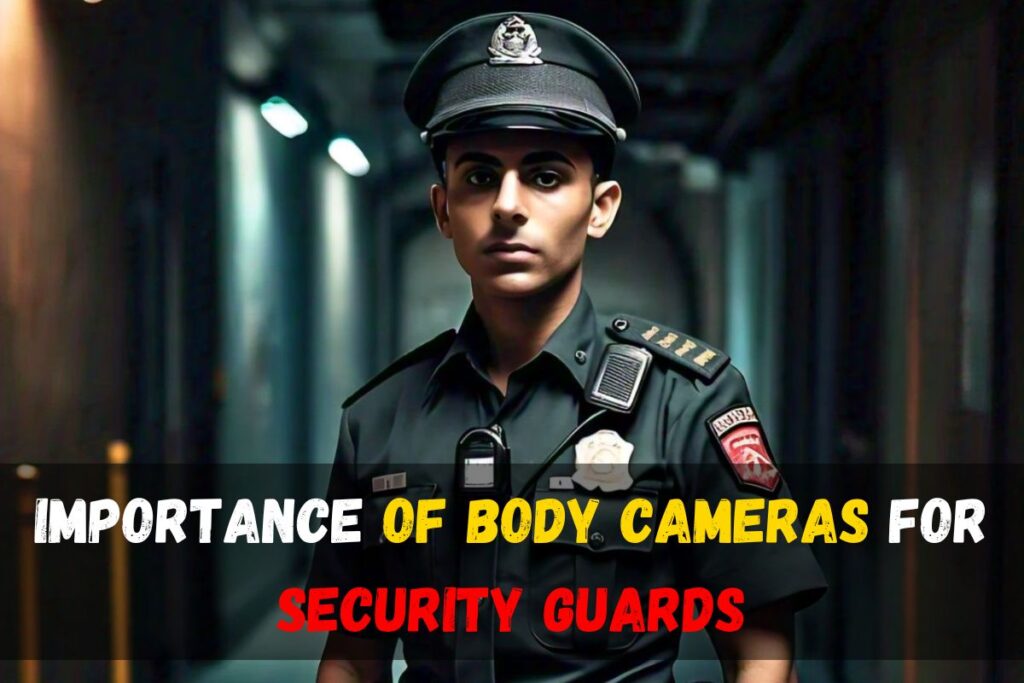
The Importance of Body Cameras for Security Guards September 30, 2024 [featured_image] The use of body cameras by security guards plays a pivotal role in ensuring accountability and promoting ethical conduct. With real-time video capturing every interaction, the presence of a body camera encourages guards to adhere strictly to protocols, as their actions are under constant observation. This level of oversight discourages inappropriate behavior and reinforces professionalism. Additionally, the recorded footage creates an indisputable record of events, fostering transparency between security personnel and the public. In a profession where public trust is crucial, body cameras help solidify the integrity of security operations by keeping guards accountable to their duties.Visit here for exploring our services Mitigating False Accusations and Providing Evidence Security guards often face situations where disputes arise, and accusations of misconduct can damage their reputation. Body cameras offer a layer of protection against false claims by capturing an unbiased, verifiable account of incidents. This visual evidence can be used in investigations or court proceedings, ensuring that the truth prevails. Having a clear, objective record of what happened reduces the need for subjective testimony, minimizing discrepancies in statements. By safeguarding guards from false accusations, body cameras enhance legal protection and contribute to a more just and fair working environment. Enhancing Training Through Real-World Scenarios Body camera footage offers invaluable insights for training and development in the security industry. Supervisors can review recordings to assess the effectiveness of security procedures and provide constructive feedback based on actual events. This data-driven approach to performance evaluation enables security personnel to learn from real-world scenarios, helping them refine their skills. Training sessions can focus on areas such as conflict resolution, de-escalation techniques, and adherence to company protocols, using the recorded footage as a tool to reinforce learning. As a result, body cameras not only capture incidents but also serve as a resource for continuous improvement. Providing Critical Evidence in Legal Proceedings When incidents escalate into criminal or legal matters, body camera footage serves as critical evidence for law enforcement and judicial bodies. Security guards often respond to situations before police arrive, meaning their body cameras may capture vital moments that other evidence might miss. The footage can provide context, clarify misunderstandings, and offer an accurate portrayal of events, which can significantly influence legal outcomes. By having an indisputable video record, the integrity of investigations is enhanced, making it easier for authorities to piece together what truly transpired. A Visible Deterrent to Crime and Misconduct The presence of a body camera can act as a powerful deterrent to crime and misconduct. Individuals are far less likely to engage in illegal activities when they know they are being recorded. For security guards, this psychological impact strengthens their ability to maintain order in high-risk environments. Whether patrolling a retail space, securing a public event, or managing a corporate facility, body cameras provide an added layer of security by discouraging aggressive or unlawful behavior. This visual reminder of surveillance promotes safer interactions and helps de-escalate potential conflicts before they escalate. Balancing Security Needs with Privacy Rights As beneficial as body cameras are, they also raise concerns about privacy and the legal implications of recording interactions. Security companies must carefully navigate these concerns by adhering to relevant privacy laws and regulations. Guards must be trained on when and where it is appropriate to use body cameras, ensuring that the rights of individuals are respected. Striking the right balance between security and privacy is crucial for avoiding legal liabilities and maintaining public trust. Security providers need to implement policies that govern camera usage, storage of footage, and compliance with local surveillance laws to avoid potential breaches of privacy. Fostering a Culture of Transparency in Security In an era where transparency is increasingly valued, body cameras are pivotal in fostering an open, honest culture within the security industry. The availability of recorded footage encourages accountability not only for security guards but also for the management overseeing them. Organizations can use body camera footage to demonstrate their commitment to transparency, addressing any public concerns related to their security operations. Whether investigating complaints, reviewing guard performance, or documenting critical incidents, body cameras support a culture of openness, ensuring that both clients and the public feel confident in the security services provided. Related Posts The Importance of Body Cameras for Security Guards Emergency Response Protocols Every Security Guard Should Know Why Shopping Centres Need Dedicated Security Teams Evolution of Security Guard Training & Certification in Australia Essential accessories and instruments for security guard for night duty Understanding the Limits: What Security Guards Can and Cannot Do The Role of Security Guards in Airport Security Different Types of Security Guard Services Skills and Qualifications for a Private Investigator What is Mobile Security Patrol, and Why Do You Need It? Why Are Security Uniforms Essential? Effective Self-Defense Tactics and Techniques for Security Guards Role of Security Guards in Construction Site Safety How to become a security guard in Australia? Understanding The Importance Of Corporate Security Responsibilities of Security Guards in Australia How much do security companies charge in Australia How to Integrate CCTV and Security Guards for Better Property Protection Private vs. Public Security: A Detailed Comparison Top Security Threats in Australian Retail and How Guards Mitigate Them
The Role of Security Guards in Airport Security
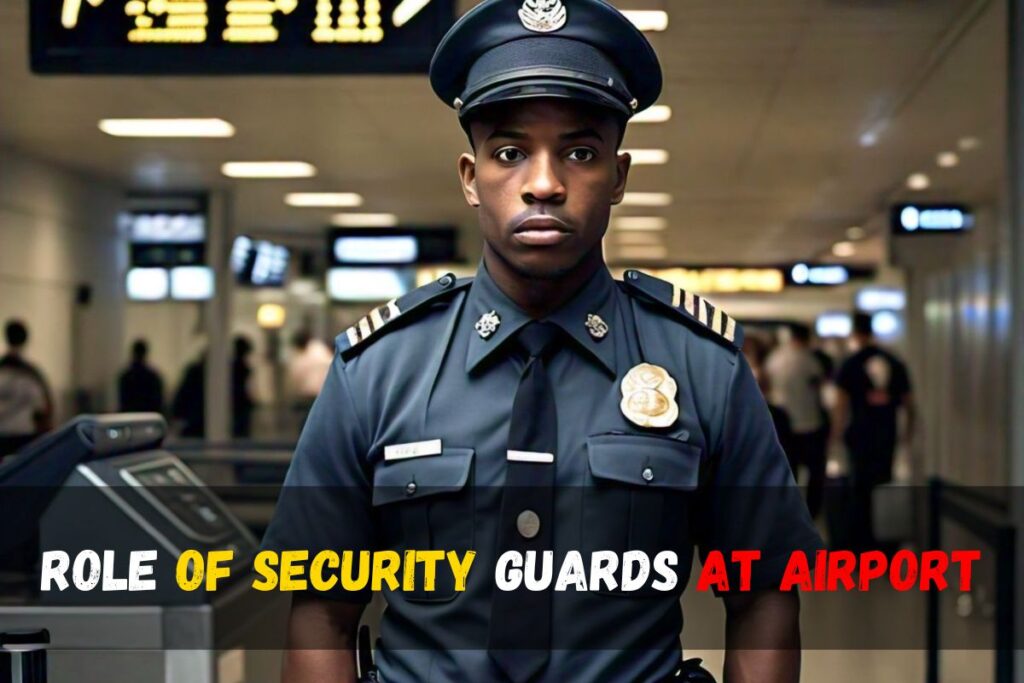
The Role of Security Guards in Airport Security September 26, 2024 [featured_image] Passenger screening is one of the most visible and crucial tasks handled by airport security guards. Their primary responsibility is to ensure that no prohibited or dangerous items make it past security checkpoints. Security guards work alongside technology, using X-ray machines to scan luggage and metal detectors for passengers. However, their expertise goes beyond operating these machines. They are trained to interpret the results and identify potential threats that machines may miss, such as cleverly concealed weapons or dangerous substances. Security guards also play a key role in the physical inspection of baggage. If something suspicious is flagged during the scanning process, guards are responsible for conducting thorough manual inspections. They follow strict protocols, ensuring that searches are conducted professionally and respectfully, while maintaining a high level of security. Additionally, security guards are often the first line of defense against human-based threats, such as identifying nervous or suspicious behavior in passengers. Through behavioral analysis and situational awareness, security personnel can prevent potentially dangerous individuals from boarding flights, thus safeguarding the passengers and crew. Access Control and Monitoring Airports are complex environments, with many restricted areas that require controlled access. Security guards manage these zones, ensuring that only authorized personnel can enter sensitive areas such as runways, baggage claim zones, and air traffic control towers. This is done through strict verification protocols that include checking ID badges, biometric scans, and monitoring security clearance levels. Access control is not just about guarding gates or doors; it requires guards to be highly alert to potential infiltration attempts, such as the use of forged credentials or tailgating (when unauthorized individuals attempt to follow an authorized person into a restricted area). Guards need to be familiar with the layout of the airport and the personnel who work there, so they can quickly identify anyone who shouldn’t be in a particular zone. Moreover, security guards monitor traffic in and out of restricted zones in real-time, ensuring that operations run smoothly without any unauthorized intrusions. Their vigilance is critical in areas like cargo handling, where even a small breach can result in security risks, including theft, sabotage, or smuggling. Surveillance and Patrolling Surveillance and patrolling form the backbone of airport security. Security guards constantly monitor both public and private areas using CCTV systems and physical patrols. Surveillance allows guards to keep an eye on a broad area of the airport, enabling them to respond quickly to suspicious activities or potential threats. Patrolling, on the other hand, serves a dual purpose: providing a visible deterrent to criminal activity and ensuring that all areas of the airport are physically secure. These patrols are often conducted on foot, by vehicle, or even through canine units trained to detect explosives or drugs. The physical presence of security guards is a key factor in preventing crimes such as theft, vandalism, or terrorism. Guards must also be adept at multitasking during patrols, including checking that emergency exits are clear, equipment is functioning correctly, and sensitive areas remain secure. They report any anomalies or breaches immediately to airport security command centers, ensuring swift corrective action. Handling Emergency Situations Airports are high-stakes environments, and security guards are often on the front lines when emergencies occur. These emergencies can range from medical incidents and fire outbreaks to more serious situations like bomb threats or active shooter scenarios. Security guards are trained to remain calm under pressure and follow established emergency protocols, which helps ensure the safety of passengers and staff. In the event of a medical emergency, guards are often the first responders, providing first aid until medical personnel arrive. They are also trained in crowd control, which is essential in preventing panic during evacuation procedures. Whether guiding passengers to safety or assisting with fire drills, their quick thinking and expertise can be the difference between order and chaos. When more severe threats arise, such as potential terrorist attacks, security guards play a pivotal role in coordinating with law enforcement agencies, bomb disposal units, and other emergency services. Their clear communication and swift action can mitigate damage, protect lives, and restore order. Assisting Law Enforcement Security guards in airports do not operate in isolation. They work in close collaboration with law enforcement agencies, including local police, federal authorities, customs officers, and immigration officials. Together, they form a cohesive security framework that ensures all areas of the airport are protected from both domestic and international threats. Security guards assist law enforcement in a variety of tasks, such as detaining individuals suspected of criminal activities, conducting investigations, and gathering evidence when necessary. They may also participate in joint security operations, such as anti-terrorism drills or response strategies for high-risk situations. In cases involving smuggling, human trafficking, or organized crime, airport security guards are often the first to identify suspicious behavior or activities, working closely with customs and immigration authorities to apprehend suspects. Their coordination with law enforcement is vital for intelligence gathering and overall airport security strategy. Customer Assistance and Communication While airport security guards are primarily tasked with protecting the airport and its passengers, they also play an important role in customer service. Guards are often the first point of contact for travelers seeking assistance, whether it’s asking for directions, resolving minor issues, or providing information about airport procedures. Effective communication is critical, particularly when diffusing tense situations. Security guards must be able to de-escalate conflicts and calm frustrated or anxious passengers. This requires strong interpersonal skills, patience, and an ability to assess situations quickly. Additionally, in cases where security measures inconvenience passengers (e.g., long lines at checkpoints), guards must balance their security responsibilities with maintaining a positive, helpful attitude toward travelers. By assisting passengers and ensuring clear, efficient communication, security guards contribute to a smoother and more pleasant travel experience, which in turn enhances the overall image of airport security. Related Posts The Role of Security Guards in Managing Workplace Conflicts Responsibilities of Security Guards in Australia Effective Self-Defense Tactics and Techniques for
How Security Guards Prevent Theft in Retail Stores
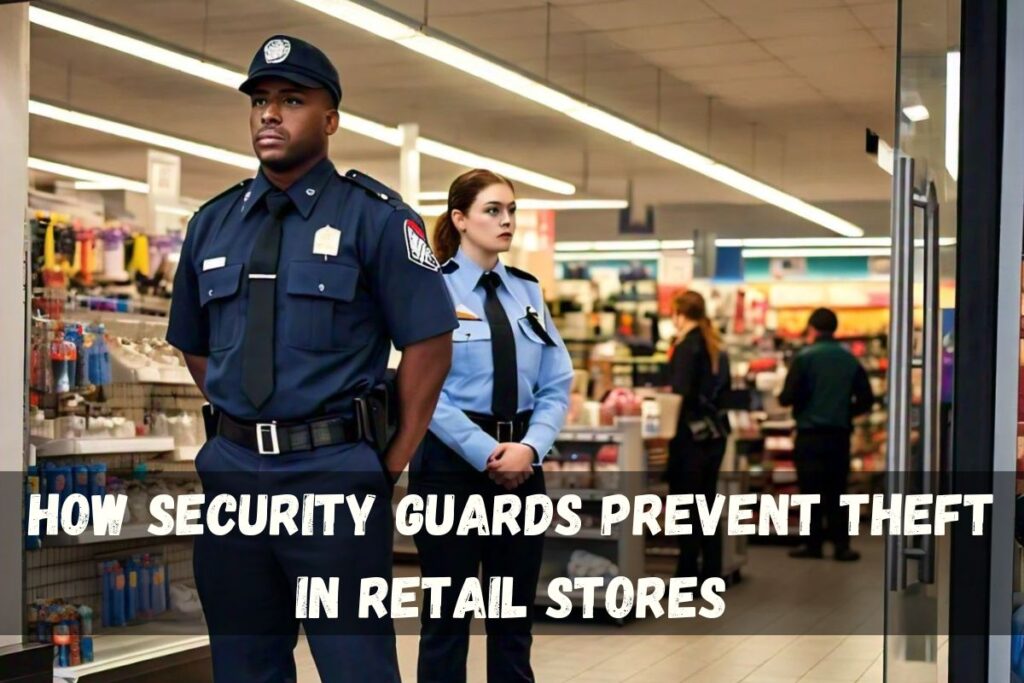
How Security Guards Prevent Theft in Retail Stores September 20, 2024 [featured_image] A strong, visible security presence is one of the most effective deterrents against retail theft. Security guards, dressed in professional uniforms, signal to potential thieves that the store is well-protected. The psychological impact of seeing security guards patrolling the store discourages criminal activities before they even begin. This proactive form of deterrence works as an immediate and constant reminder to shoppers that their actions are being observed, helping to prevent theft and reduce shrinkage. Advanced Surveillance and Continuous Monitoring Techniques Modern retail security relies on advanced surveillance systems, but these tools are only as effective as the professionals monitoring them. Security guards play a vital role by continuously scanning security footage and strategically placed cameras, identifying unusual behaviors or activities in real time. This continuous monitoring allows for the swift detection of theft attempts and provides critical evidence for follow-up actions. Guards are trained to observe key areas like entrances, exits, and high-value sections, ensuring comprehensive oversight. Enforcing Access Control and Conducting Thorough Security Checks Retail stores, especially those dealing with high-end merchandise, often implement access control mechanisms to secure valuable goods. Security guards enforce these protocols by managing entry and exit points, conducting bag checks, and ensuring that all merchandise has been properly paid for before leaving the store. They also monitor restricted areas to prevent unauthorized personnel from accessing sensitive inventory or back-of-store locations. This layered approach prevents both external and internal theft. Expert Identification of Suspicious Behavior and Shoplifting Tactics Experienced security guards are adept at reading body language and identifying suspicious behavior, such as customers avoiding eye contact, appearing nervous, or frequently scanning the environment. Guards are trained to spot common shoplifting tactics, such as concealment, switching price tags, or distracting employees. By recognizing these early signs, they can intervene before the theft escalates. This skill is critical for reducing losses in high-traffic retail environments. Seamless Collaboration with Retail Staff for Integrated Security Security guards work in partnership with retail staff to create an integrated theft prevention strategy. Through regular communication, guards educate employees on how to identify potential shoplifters and what to do in case of an incident. This collaboration ensures that all staff members are part of a larger security team, enhancing overall store vigilance. Guards also provide store-specific security training, which helps in tailoring theft prevention strategies to the unique challenges of each retail environment. Immediate Emergency Response and Expert Crisis Management In the event of a theft or other security breach, a trained security guard is able to act swiftly and efficiently. Their ability to handle emergencies—such as apprehending a suspect, managing conflicts, or coordinating with law enforcement—ensures that theft-related situations are quickly contained with minimal disruption to the store. Security guards also know how to de-escalate tense situations, preventing harm to customers or staff while ensuring the suspect is dealt with legally and appropriately. Random and Targeted Security Patrols for Enhanced Oversight In addition to monitoring from fixed positions, security guards perform both scheduled and random patrols throughout the store. This mobile security measure allows them to check for blind spots, monitor areas that may be out of camera range, and remain unpredictable to would-be thieves. By regularly patrolling the premises, both inside and out, security guards ensure that all vulnerable areas receive attention, reducing opportunities for theft. Utilizing Cutting-Edge Technology for Enhanced Theft Prevention Security guards now leverage advanced tools such as RFID tags, motion detectors, and alarm systems to boost theft prevention. By integrating these technologies with manual oversight, guards can more effectively detect theft attempts, monitor inventory, and respond to triggered alarms. The use of technology not only increases efficiency but also provides data-driven insights that help refine security strategies over time, making theft prevention efforts more robust. Preventing Internal Theft through Employee Monitoring and Audits Employee theft can be just as damaging as external shoplifting, if not more so. Security guards are trained to discreetly monitor staff activities and identify any irregularities that could indicate internal theft. By conducting routine audits, overseeing inventory control, and investigating suspicious employee behavior, security guards help prevent losses from within the workforce. Their objective, neutral presence ensures that the store maintains integrity and transparency in its operations. Creating a Safe and Secure Shopping Environment for Customers Beyond theft prevention, security guards contribute to a welcoming and secure environment that enhances customer satisfaction. Shoppers feel more comfortable knowing that professional security personnel are on-site to ensure their safety. This perception of security can also boost customer loyalty and encourage repeat visits, as a safe shopping experience is essential for customer retention in today’s competitive retail market. Related Posts How to Integrate CCTV and Security Guards for Better Property Protection The Role of Security Guards in Managing Workplace Conflicts Skills and Qualifications for a Private Investigator Essential accessories and instruments for security guard for night duty How Security Guards Support VIP and Executive Protection How to Establish a Security Guard Business in Australia The Role of Security Guards in Airport Security The Role of K-9 Units in Security Guard Services Top Security Threats in Australian Retail and How Guards Mitigate Them The Role of Technology in Enhancing Security Guard Efficiency Private vs. Public Security: A Detailed Comparison Understanding The Importance Of Corporate Security Emergency Response Protocols Every Security Guard Should Know Understanding the Importance of Crowd Management at Events What is Mobile Security Patrol, and Why Do You Need It? How Security Guards Handle Suspicious Packages: A Comprehensive Guide How Security Guards Prevent Theft in Retail Stores How to Hire security guards in Australia? Effective Self-Defense Tactics and Techniques for Security Guards Common Challenges Faced by Security Guards in Australia
Private vs. Public Security: A Detailed Comparison
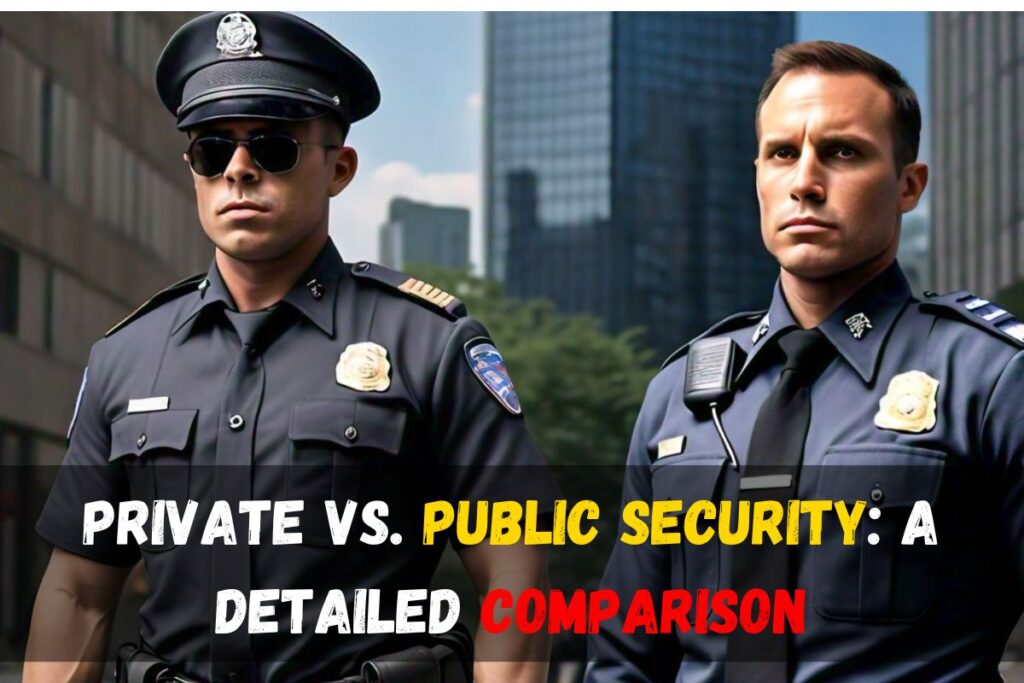
Private vs. Public Security: A Detailed Comparison September 16, 2024 [featured_image] The need for safety and protection is a universal requirement, but how that need is met differs depending on the situation and the resources available. Private and public security services represent two different approaches to ensuring safety, both playing critical roles in society. However, they have distinct differences in authority, regulation, objectives, and scope. This article will explore the nuanced distinctions between private and public security, delving into their unique roles, how they operate, and what sets them apart. Understanding Private Security Private security refers to security services provided by private entities, typically for commercial or personal purposes. These security professionals are employed by private companies or individuals to protect assets, people, or property. Their tasks may include monitoring security systems, patrolling properties, managing access control, and ensuring the safety of specific individuals or events. Private Security’s Scope and FlexibilityPrivate security operates under contracts tailored to the needs of the client. This allows for a high degree of flexibility, where security services are customized based on the specific risks and requirements of the entity being protected. From corporate settings like office buildings to personal protection for high-profile individuals, private security services can adapt to various environments and industries. Types of Private Security Client-Focused Approach Private security companies prioritize the interests of their clients and tailor their services accordingly. Unlike public security agencies that serve a broader community, private security providers have the flexibility to offer specialized services for niche markets. For instance, they might provide armed guards for high-value assets, surveillance services for private estates, or even cybersecurity for protecting digital infrastructure. Understanding Public Security Public security, on the other hand, is managed and operated by the government. This includes law enforcement agencies such as the police, fire departments, and emergency medical services (EMS). The primary objective of public security is to ensure the safety of the general public by preventing and responding to crime, enforcing laws, and maintaining order. The Role of Public Security in Society Public security professionals have broader responsibilities compared to private security. Their mission is to protect public safety at large, uphold the law, and respond to emergencies. Public security officers are accountable to the government and the citizens they serve. This means they are bound by constitutional laws, public policies, and regulations that ensure fairness and transparency in their operations. Types of Public Security Agencies Legal Authority and Enforcement Powers Public security officers, especially law enforcement, have the legal authority to arrest, detain, and prosecute individuals. They can investigate crimes, search properties under judicial warrants, and enforce laws that maintain public order. Unlike private security officers, public law enforcement officers are required to follow strict procedures when dealing with offenders, ensuring due process and accountability. Key Differences Between Private and Public Security While both private and public security aim to protect individuals, property, and maintain order, they differ significantly in their approach, authority, and responsibilities. Let’s explore these key differences in detail. Authority and Jurisdiction Public Security Public security officers, such as police officers, have statutory authority granted by the government. They have the legal right to enforce laws, conduct arrests, investigate criminal activities, and maintain public order. Their jurisdiction is typically bound to a geographical area, such as a city, county, or state, but it covers all aspects of public safety within that area. Private Security Private security personnel do not have the same legal authority as public law enforcement. Their powers are limited to what is outlined in their contracts with clients, and they typically cannot make arrests unless it is a citizen’s arrest or in response to an immediate threat. Private security officers can detain individuals until law enforcement arrives but are required to act within legal boundaries. Accountability and Oversight Public Security Public security agencies operate under strict government oversight and are accountable to the public. They are required to adhere to state and federal laws, ensuring transparency in their operations. Misconduct by public security officers can lead to legal consequences, disciplinary actions, or public scrutiny. Private Security Private security companies, while regulated by local or federal authorities in some regions, have more flexible oversight. Their operations are guided by the needs of their clients and the terms of their contracts. However, they must still comply with national and regional laws, especially concerning the use of force and personal data protection. Some countries require private security firms to obtain licenses, ensuring that personnel are trained and equipped to handle security responsibilities. Training and Regulation Public Security Public security officers, especially law enforcement, undergo extensive training that includes criminal law, use of firearms, crowd control, and emergency response. Their training is mandated by the state and can last for months, if not years, depending on the jurisdiction. Continuous education and re-certification are often required to ensure that public officers remain up-to-date on current laws and best practices. Private Security Training for private security personnel varies depending on the company and the services provided. While some security officers undergo rigorous training—particularly in high-risk areas like personal protection or cybersecurity—others may receive minimal instruction if their duties are limited to tasks such as monitoring CCTV systems or managing access control. In many regions, private security firms are required to meet licensing standards, but these standards often differ from public security training. Focus and Mission Public Security The focus of public security is to serve and protect the general public. Their mission is broad, encompassing crime prevention, emergency response, law enforcement, and public order maintenance. Public security agencies work to ensure that every citizen is protected under the law, regardless of status or affiliation. Private Security Private security, however, has a more specialized mission that focuses on protecting specific clients, assets, or properties. Their services are usually preventive, with an emphasis on deterring theft, vandalism, or other potential threats to the client. Private security companies can also provide specialized services, such as securing events, personal protection for celebrities, or safeguarding sensitive information.