



How to File a Complaint Against a Security Guard in Australia
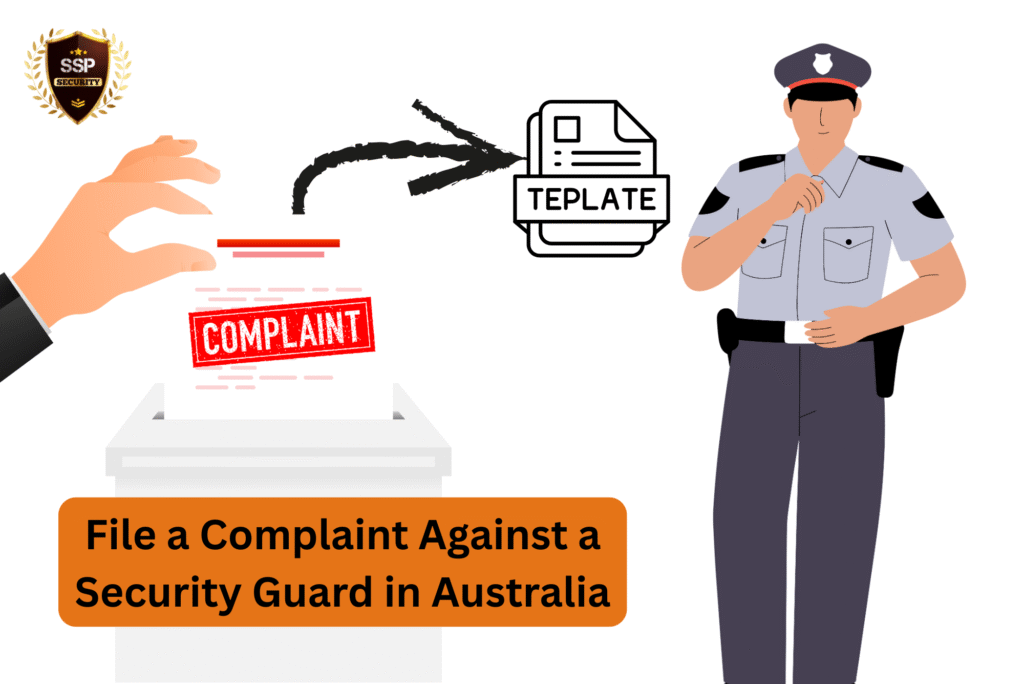
How to File a Complaint Against a Security Guard in Australia If a security guard behaves wrongly, you may feel unsafe or ignored. Knowing how to file a complaint gives you control and peace of mind. This guide explains step by step how to report a security guard in Australia, focusing on Melbourne and Victoria while also covering national options. You will learn who to contact, how to gather and submit evidence, and find ready-to-use templates for your complaint. This blog helps individuals and businesses to understand the process and what to expect when a complaint arises. Who Can Make a Complaint & When Anyone who deals with a guard may make a complaint. This includes visitors, workers, site staff, and contractors. Here are valid reasons: If you were unsure whether to file a complaint, ask yourself: “Did the guard break a duty or rule?” If the answer is yes, you should proceed with a complaint. If the incident involves violence, threats, or immediate danger, contact Victoria Police immediately by calling Triple Zero (000). For ongoing or repeated misconduct on your premises, review your contract with the security provider. Let’s see how our corporate security guards maintain proper supervision and compliance checks to prevent such issues. Step-by-Step Guide to Lodging a Complaint Step 1: Gather Your Evidence Collect these before you submit anything: Step 2: Contact the Security Company Start by telling the guard’s employer. They should have an in-house review policy. You can point them to your collected evidence and ask for action. This route is often quickest. Step 3: Go to the Licensing Authority In Victoria, the licensing authority is the Victoria Police Licensing & Regulation Division (LRD). From 19 June 2025, the rules changed so all private security activities are now licensed. You can lodge a complaint about the guard’s license or conduct under the Private Security Act 2004. (Armstrong Legal) Step 4: Submit a Formal Complaint Use a written form or email. Make it clear and factual: Step 5: Follow Up & Keep a Record After you submit: How the Process Works After You File Once your complaint reaches the authority or company: Where to File a Complaint in Victoria (Melbourne) Who to contact When to use them How they help Security company Minor incidents or first approach Fast internal review and often quick fixes Victoria Police LRD Licence breaches, unlicensed guard, serious misconduct Can investigate licences and take regulatory action. See Private Security page. Local police Assault, theft, threats, emergencies Immediate action and criminal investigation. Call 000 for emergencies. Fair Work Ombudsman Employment issues, pay, bullying at work Workplace dispute assistance and anonymous tips. ASIAL Complaints about member companies Industry standards enforcement and dispute resolution. Complaint Sample Template You can copy and paste this into your email or word document: Subject: Complaint – Security Guard Conduct at [Site Name], [Date] Dear [Security Company Name / Licensing Authority], I wish to lodge a formal complaint regarding the conduct of a security guard at [location] on [date/time]. The guard, whose name or badge number is [Name/Badge No], did the following: [Describe what happened] Witnesses:[Name(s)]Videos/Photos: [Yes/No – attach if yes] I believe the guard’s behavior breaches the expected standard of duty. I request [your desired outcome, e.g., internal review, license check, apology]. Please keep me informed of the outcome referencing complaint number: [leave blank if first submission]. Kind regards,[Your Name][Contact Details] Comparison table — which route to choose Issue Contact the company Contact LRD (Victoria) Contact Police Contact Fair Work Guard rude or unprofessional Yes Maybe No No Unlicensed guard working Yes and LRD Yes No No Assault or theft Yes and Police Yes Yes Maybe Pay or workplace bullying Maybe No No Yes Need apology or refund Yes Maybe No No Why Good Security Guard Service Matters Choosing the right security company makes a big difference. Our security guard services agency in Melbourne are known for providing licensed, well-trained, and educated staff. They understand their duties, respect clients and visitors, and handle every situation calmly and professionally. This ensures complete safety and peace of mind while avoiding issues like poor behavior, unprofessional conduct, or lack of responsibility. Every assignment is handled with care, discipline, and clear communication to maintain the highest service standards. If you need any type of security guard in your area for an event, party, personal protection, or corporate site, you can hire our guards. They are well educated, properly trained, and available at affordable rates. Common mistakes to avoid when filing a complaint Legal Disclaimer This blog provides general information only and is not legal advice. If you believe serious legal or personal harm is involved, consider seeking professional legal help. Related Posts How to File a Complaint Against a Security Guard in Australia Understanding the Levels of Security Guards in Australia Protective Security Officers in Melbourne: Roles, Benefits & When You Need One How to Integrate CCTV and Security Guards for Better Property Protection Understanding the Importance of Crowd Management at Events The Role of Security Guards in Managing Workplace Conflicts Effective Self-Defense Tactics and Techniques for Security Guards The Role of Guards in Educational Institutions How Security Guards Support VIP and Executive Protection Top Benefits of Having Security Guards in High-Risk Areas Emergency Response Protocols Every Security Guard Should Know Evolution of Security Guard Training & Certification in Australia Top Security Threats in Australian Retail and How Guards Mitigate Them How to Establish a Security Guard Business in Australia The Role of K-9 Units in Security Guard Services How Security Guards Handle Suspicious Packages: A Comprehensive Guide The Importance of Body Cameras for Security Guards The Role of Security Guards in Airport Security How Security Guards Prevent Theft in Retail Stores Private vs. Public Security: A Detailed Comparison
Understanding the Levels of Security Guards in Australia
Understanding the Levels of Security Guards in Australia Security Services October 25, 2025 Hasham Table of Contents Introduction – Why knowing security guard levels matters When you work as a security guard in Melbourne, you will come across many job titles, each with its own set of duties and skills. Security guards in Australia protect schools, hospitals, offices, public events and more, depending on their training and experience. So, understanding the different levels of security guards helps workers plan their career path and aim for better pay. It also helps businesses hire the right guards for their specific needs. What we see in this particular post: Overview of Guarding licensing and roles in Victoria In Victoria the industry is regulated by Victoria Police via the Licensing & Regulation Division. (police.vic.gov.au). You need both training (such as the CPP20218 Certificate II in Security Operations) and a licence to work as a guard. (aet.vic.edu.au) Also the industry award (Security Services Industry Award 2010 / MA000016) defines classification levels from Level 1 up to Level 5. (Fair Work Awards). These levels show the guard’s training, responsibility, and pay rate. So when we talk about “Level 1”, “Level 2”, we were referring to classification under the Award. You can read more about qualifications in our post on how to become a security guard in Australia. Classification Levels of Security Guards in Australia Level 1 Security Guard – The Beginner Role: A Level 1 guard is an entry-level officer who works under supervision. They perform basic duties such as patrolling, guarding property, monitoring CCTV systems, and checking doors or access points. According to the Award: A Security Officer Level 1 “watch, guard or protect persons and/or premises where the complex use of computer technology is not required.” How to achieve it: Lowest rank & position name: The lowest level is Level 1; typical job title is “Security Officer – Level 1” or simply “Security Guard”. Many of them later move into roles like static security guard or mobile patrol officer. Level 2 Security Guard Role: Works above Level 1. Has additional skills, may handle more complex tasks like responding to alarms, vehicle patrols, crowd control at events. According to the Award: “A Level 2 Security Officer works from detailed instructions, coordinates tasks in a team or works independently under general supervision, and is responsible for the first response to security incidents.” How to achieve it: Event companies and large gatherings often prefer Level 2 guards for their skills in public safety. Learn more in our guide on hiring event security services in Melbourne. Level 3 Security Guard Role: It is a Mid-level guard with higher responsibility. These officers can work with limited supervision; may monitor systems, handle complex sites, data input or building management. Award says: “A Level 3 Security Officer holds a Certificate III in Security Operations or an equivalent qualification. They use their skills and knowledge specific to their assigned location and work independently with limited supervision.” How to achieve it: Level 3 guards are often used in offices and corporate security setups, where professional behavior and communication matter most. Level 4 Security Guard Role: Senior guard with significant responsibility. Could work in a central monitoring station, coordinate other guards, use advanced security systems. From Award: A Level 4 Security Officer works above and beyond Levels 1, 2, and 3. They may monitor, record, or input information, respond to security signals, and coordinate or oversee the activities of other security officers. How to achieve it: Many of our clients hire Level 4 guards for shopping center security, where coordination and quick decision-making are vital. Level 5 Security Guard Role: This is the highest classification. Level 5 guards may lead entire teams, manage rosters, and handle risk assessments. They are trusted with high-value sites or events. Award says: A Level 5 Security Officer works above and beyond Levels 1, 2, 3, and 4. They may coordinate the duties of other security officers working as a team within a central control station. How to achieve it: These professionals are sometimes called Chief Security Officers or Commanders. They often coordinate services like mobile patrol security or manage multiple sites. Guards Ranks and Supervisory Roles (Commander/Chief) Although the Award uses “Level 1 to Level 5”, many companies use job titles such as Chief Security Officer, Security Supervisor, Team Leader, Commander, or Chief Guard. These are beyond the classification levels and typically are supervisory or management roles. When writing job descriptions you can link “Chief Security Guard” or “Security Supervisor” roles to your services such as [your link to supervisory guard service page]. Comparison Table of Different Security Levels Level Job Title Example Key Responsibilities Minimum Hourly Rate* Typical Market Pay Level 1 Security Officer – Level 1 Routine guarding, simple CCTV, access control AUD $27.13 ( AUD $27-40/hr in Melbourne Level 2 Security Officer – Level 2 Response to incidents, patrols, crowd control ~ AUD $27.91 AUD $40-60/hr depending on site Level 3 Security Officer – Level 3 Building management systems, independent duties ~ AUD $28.38 AUD $60k-70k per annum Level 4 Security Officer – Level 4 Monitoring centre, team coordination, advanced tech ~ AUD $28.86) Higher depending on shift/site Level 5 Security Officer – Level 5 Team leader, complex coordination, high risk sites AUD $29.79 Senior roles may exceed AUD $70k+ *Note: Rates shown are base award minimums; actual pay will be higher for night shifts, weekends, public holidays and special duties. Why Advancing Levels Matters for Your Career Moving through levels means more responsibility, more training and more pay. If you stay at Level 1 you may be doing the same tasks for years. But if you aim for Level 3-5 you open doors to supervisory roles, specialist sites (airports, high-risk, control rooms) and higher wages. For businesses hiring guards, higher-level guards mean fewer risks, more professionalism and better value. To understand how professional training shapes guard quality, check our blog on evolution of security guard training and certification in Australia. How Our Company
Protective Security Officers in Melbourne: Roles, Benefits & When You Need One
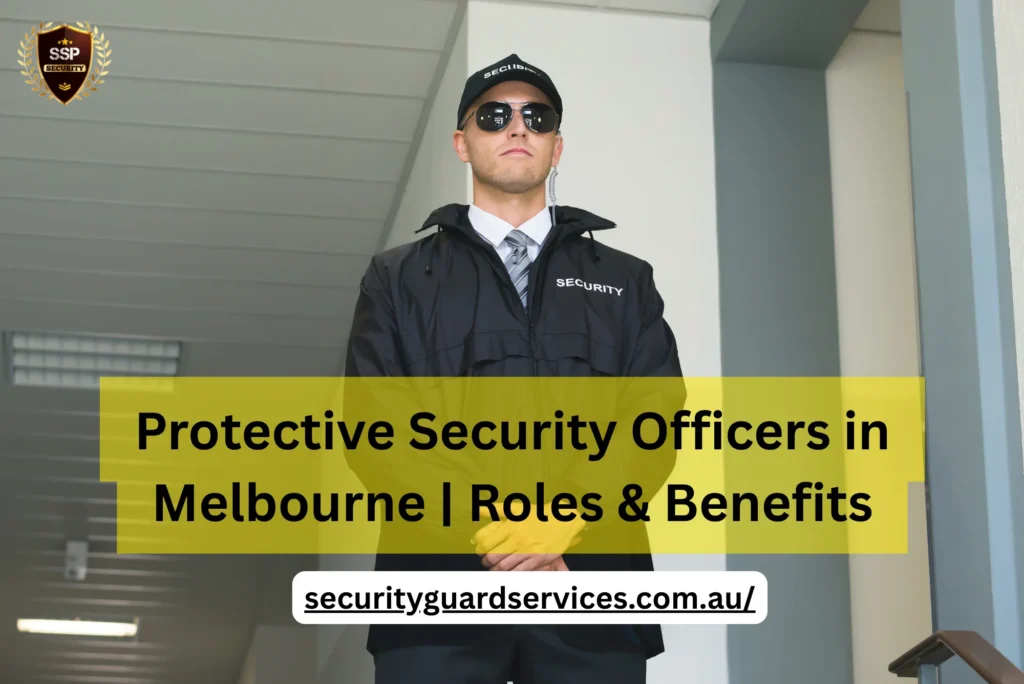
Protective Security Officers in Melbourne: Roles, Benefits & When You Need One Security Services October 23, 2025 Hasham Table of Contents As crime rates continue to rise across the globe, personal safety has become a growing concern for everyone. High-profile individuals such as celebrities, politicians, and business executives are often at greater risk, making them prime targets for criminal activities like theft, assault, or even kidnapping. In Melbourne, Protective Security Officers (PSOs) play a vital role in safeguarding such individuals, ensuring their safety, and maintaining a secure and controlled environment at all times. Their professional presence not only deters potential threats but also provides peace of mind. At our Melbourne-based security company, we focus on delivering trusted protection through licensed and highly trained officers. Whether it’s for personal safety or business security, we provide tailored solutions that keep people and property safe. In this blog, we will explore who protective security officers are, their key roles and responsibilities, the benefits they offer, and where to find trusted PSOs in Melbourne for your personal or business security needs. Who is Protective Security Officer Protective Security Officers are the government-authorized officers responsible for maintaining safety and order in public areas and protecting government buildings, officials, and key infrastructure. In Melbourne, PSOs often work under the Victoria Police and are specially trained to handle security threats, manage crowds, and respond quickly to emergencies. Unlike private security guards, PSOs have specific powers under law to question individuals, issue directions, and assist police officers in ensuring public safety across transport hubs, courts, and government facilities. How to Become a Protective Security Officer in Australia Becoming a Protective Security Officer (PSO) in Australia requires dedication, discipline, and meeting the eligibility criteria set by the Australian Federal Police. To start this career, candidates usually need to: Be at least 18 years old and an Australian citizen or permanent resident. Pass background, medical, and fitness checks. Complete specialized Protective Services Officer training at the Victoria Police Academy. Demonstrate strong communication, teamwork, and decision-making abilities. Once trained, PSOs are deployed to public transport hubs, courts, and other key sites to ensure safety and order. Required Skills for a Protective Security Officer A successful PSO needs a balanced mix of physical, technical, and interpersonal skills. Observational skills help them detect suspicious activity, while clear communication ensures smooth coordination with police officers and the public. Physical fitness is vital for patrolling and responding to emergencies, and technical knowledge of CCTV, alarm systems, and access controls supports their day-to-day operations. Strong problem-solving abilities and the capacity to make sound decisions under pressure help PSOs manage complex situations effectively. Professionalism and Conduct Professionalism is at the core of every Protective Security Officer’s role. PSOs are trained to remain calm, courteous, and reliable even in high-pressure environments. Their behavior reflects the integrity of the Victoria Police and helps build trust within the community. Our corporate security services maintain a professional image while ensuring business premises remain secure. By demonstrating respect, vigilance, and responsibility, PSOs create safe environments where people feel protected and confident. Their conduct not only upholds security standards but also strengthens public confidence in law enforcement across Melbourne. Key Roles and Responsibilities of Protective Security Officers Protective Security Officers (PSOs) perform a wide range of duties to keep people and property safe. In Melbourne, they are usually stationed at transport hubs, courts, and public facilities where maintaining order is crucial. Their main responsibilities include: Patrolling and Monitoring: Ensuring public areas remain safe and free from unlawful activity. Responding to Incidents: Acting quickly in emergencies such as fights, medical issues, or suspicious behavior. Crowd Management: Controlling large gatherings and preventing conflicts during public events. Assisting Police: Supporting Victoria Police with arrests, investigations, and security checks. Protecting Critical Infrastructure: Safeguarding government buildings, public transport, and community assets. Their visible presence alone often deters criminal activity and provides reassurance to the public. For sites like construction areas, having professional construction site security in Melbourne ensures safety for workers and assets. Situations Where You Might Need a Protective Security Officer Protective Security Officers (PSOs) are not just for government facilities — their skills are valuable in many situations where safety and order are priorities.You might need a PSO in the following cases: Public Transport and Terminals:PSOs protect commuters, manage large crowds, and prevent crime at train stations, bus terminals, and tram stops across Melbourne. Alongside PSOs, our mobile patrol security services help monitor large transport areas efficiently. Government and Judicial Buildings:These locations often face security threats. PSOs ensure the protection of officials, staff, and visitors at courts, government offices, and public service centers. VIP and Executive Protection:High-profile individuals such as politicians, business leaders, or celebrities rely on PSOs for close protection during events, travel, and public appearances. Events and Large Gatherings:Concerts, rallies, and community events can attract big crowds and potential risks. PSOs maintain order and coordinate with police if issues arise. Our concierge security officers provide professional assistance during high-profile events and gatherings Critical Infrastructure and Public Spaces:Power plants, transport networks, and major facilities require constant surveillance. PSOs secure these high-value locations against sabotage or unauthorized entry. To safeguard key installations, our electronic security solutions offer advanced monitoring and alarm systems. In short, if there’s a risk to public safety, property, or people in authority, having a trained Protective Security Officer on-site ensure professional, lawful, and reliable protection. Benefits of Hiring a Protective Security Officer Businesses seeking consistent protection can benefit from our static security guards for on-site safety and monitoring. Enhanced Security:Having a well-trained protective security officer on site significantly reduces the risk of theft and other criminal activities. Peace of Mind:Knowing that a professional expert is keeping watch over your property allows you to relax and focus on your core business priorities. Professional Conduct:Protective securityOffices prides itself on the professionalism of its staff. Their officers are courteous, dependable, and always ready to assist. Industry Standards and Training The training and standards of protective security officers are crucial to their performance. Protective Security
How to Integrate CCTV and Security Guards for Better Property Protection
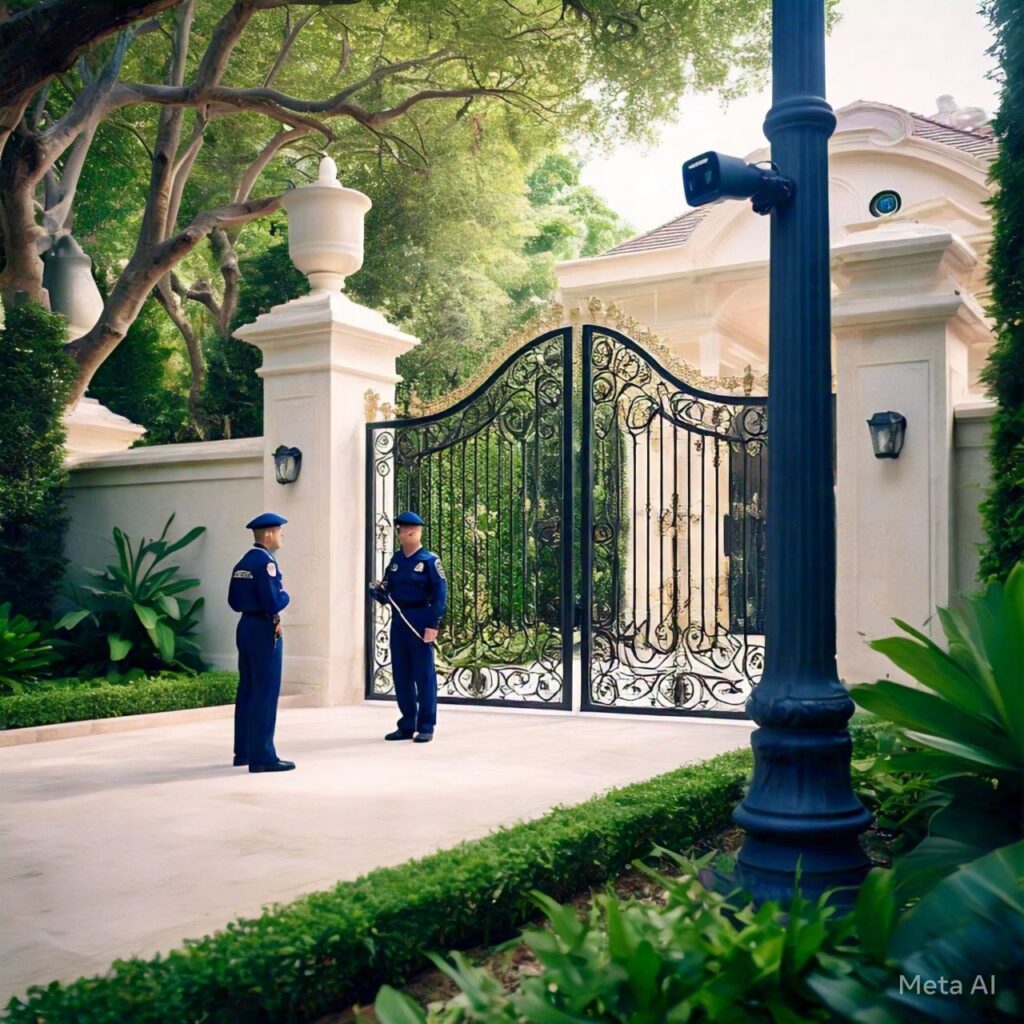
How to Integrate CCTV and Security Guards for Better Property Protection December 24, 2024 [featured_image] In today’s world, safeguarding property against potential threats demands more than just one layer of defense. Combining CCTV systems with security guards creates a synergy that offers unparalleled protection. CCTV cameras provide round-the-clock monitoring and detailed visual records, while security guards bring human intuition and the ability to act swiftly in real time. Together, they form a formidable defense mechanism. For properties with diverse needs, this combination ensures that no security loophole is left unaddressed. If you’re planning to implement an integrated security system, start by identifying specific risks and vulnerabilities. A clear understanding of your property’s unique needs lays the foundation for a comprehensive solution.For a tailored security plan, consult our services page to explore various security options. Why Integrating CCTV and Security Guards Enhances Property Safety CCTV cameras and security guards each have their strengths, but when combined, they significantly amplify the effectiveness of property protection. Cameras provide high-definition surveillance and evidence in case of incidents, while guards ensure a physical presence that deters criminal activity. Together, they minimize blind spots, improve response times, and enhance accountability. This dual-layered approach ensures that your property remains protected from all angles, addressing both immediate and long-term security concerns. For instance, with video analytics and real-time alerts, guards can respond proactively to suspicious activities. To see how technology elevates security operations, explore our blog on the role of technology in enhancing security guard efficiency. Designing a Custom Security Plan with CCTV and Guards The key to effective integration lies in creating a security plan tailored to your property. Begin by assessing vulnerable areas such as entry points, dark corners, and secluded zones. Strategically place CCTV cameras in these high-risk areas to ensure complete coverage. Security guards should patrol locations that cameras cannot actively monitor, adding a layer of unpredictability to your defense. Equip guards with devices that provide access to live CCTV feeds, enabling them to react promptly. Regular maintenance of the CCTV system and periodic patrol adjustments are also crucial for maintaining efficiency. For professional advice on setting up integrated systems, get started with our quote services. Leveraging Advanced Technology for Proactive Security Integrating cutting-edge technology like video analytics and body cameras enhances the performance of both CCTV systems and security guards. Video analytics features, such as motion detection and facial recognition, allow for real-time detection of unusual activity, enabling guards to respond faster. Body cameras, on the other hand, provide transparency and accountability, ensuring guards adhere to best practices. This combination not only improves security outcomes but also instills confidence in property owners and stakeholders. Learn more about the importance of body cameras for security guards and their role in modern security setups. Training Security Guards to Operate CCTV Systems One of the most critical aspects of integration is training your security personnel. Guards should understand how to operate CCTV systems, interpret video feeds, and use footage to make informed decisions. Regular training sessions improve coordination between technology and human intervention, ensuring seamless operations. This alignment reduces response time during emergencies and creates a culture of accountability among the security team. As new technologies emerge, ongoing training ensures your security team stays ahead of potential threats. For security strategies involving crowd control, refer to our guide on crowd management at events. Benefits of Integrating CCTV with Security Guards Combining CCTV cameras with security guards offers several undeniable advantages: Enhanced Surveillance: Constant monitoring paired with on-ground vigilance. Faster Response Times: Guards are instantly notified of unusual activities through live video feeds. Reduced Operational Costs: Optimized allocation of resources minimizes reliance on either solution individually. Increased Deterrence: Visible cameras and guards discourage criminal behavior. Evidence Collection: High-quality footage and guard reports provide detailed incident documentation. For reliable and advanced surveillance solutions, visit Buy Security Cameras. Conclusion: A Smarter Way to Protect Your Property Integrating CCTV systems with security guards ensures an all-encompassing security strategy that protects against potential threats. This combination leverages the best of technology and human expertise to create a robust, scalable, and proactive defense. Whether it’s a residential property, a commercial establishment, or an event space, this integrated approach offers peace of mind and tangible security benefits. Begin your journey toward better protection by evaluating your property’s needs and implementing a system that works for you. You can also visit for post. Related Posts Understanding The Importance Of Corporate Security Why Shopping Centres Need Dedicated Security Teams Essential accessories and instruments for security guard for night duty Private vs. Public Security: A Detailed Comparison How Security Guards Support VIP and Executive Protection Role of Security Guards in Construction Site Safety How to become a security guard in Australia? The Role of Guards in Educational Institutions Top Benefits of Having Security Guards in High-Risk Areas How Security Guards Handle Suspicious Packages: A Comprehensive Guide Understanding the Limits: What Security Guards Can and Cannot Do Different Types of Security Guard Services Responsibilities of Security Guards in Australia The Importance of Body Cameras for Security Guards The Role of Technology in Enhancing Security Guard Efficiency How Security Guards Manage Safety Challenges at Oktoberfest Understanding the Importance of Crowd Management at Events Emergency Response Protocols Every Security Guard Should Know How Security Guards Prevent Theft in Retail Stores The Role of K-9 Units in Security Guard Services