



Role of Security Guards in Construction Site Safety
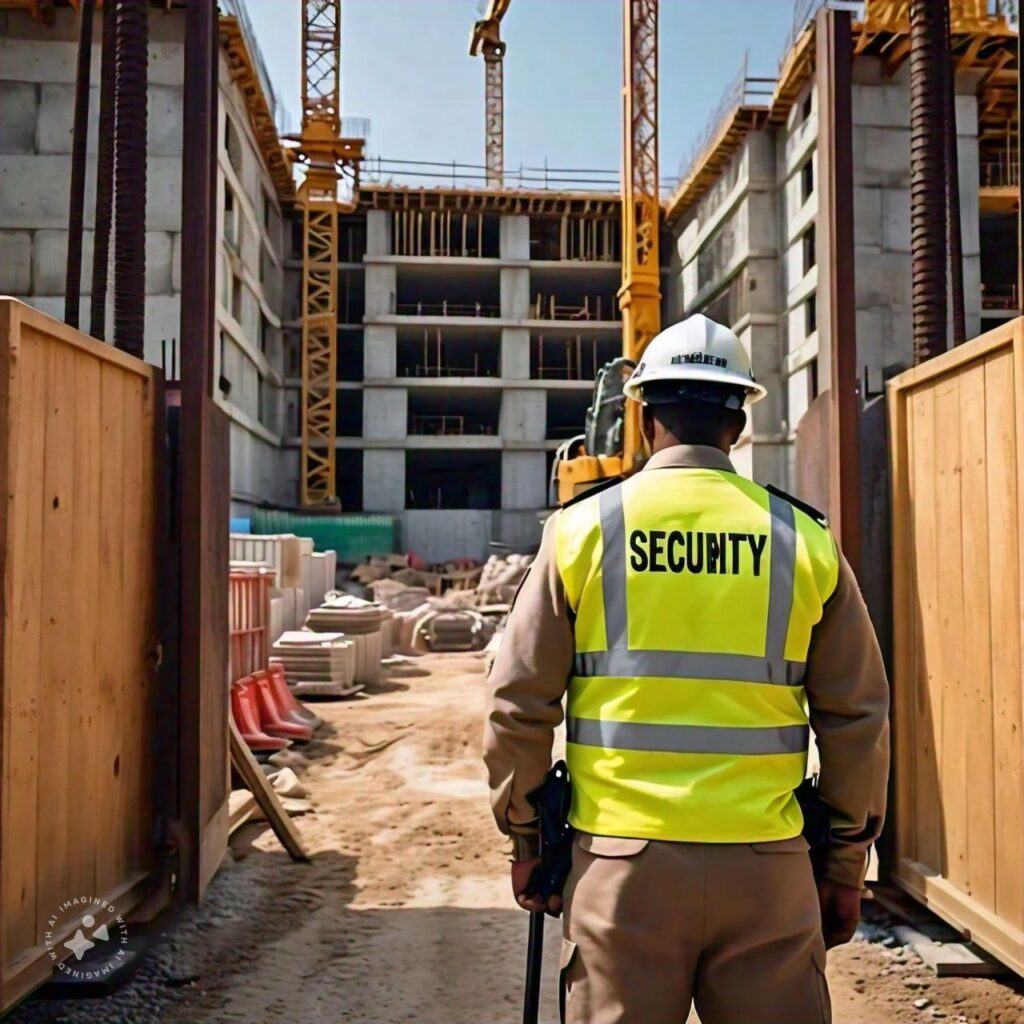
Role of Security Guards in Construction Site Safety August 5, 2024 Construction sites are dynamic environments bustling with activity and potential hazards. Ensuring safety in such settings is crucial, and security guards play a pivotal role in maintaining order and preventing accidents. Their presence and vigilance are essential for safeguarding workers, equipment, and the site itself. Here, we explore the multifaceted role of security guards in Construction Sites Security. Role of Guards in Under Development Building Sites Security guards play a critical role in protecting under-development buildings from theft, vandalism, and unauthorized access. Construction sites are often vulnerable due to open access points, expensive materials, and limited supervision. Hiring construction site security guards in Melbourne helps ensure continuous monitoring and risk prevention throughout all project phases. Based on our experience and market research, we have identified the key concerns and challenges that security guards effectively manage on construction sites. 1. Preventing Unauthorized Access Unauthorized access to construction sites can lead to various problems, including theft, vandalism, and safety breaches. Security guards are the frontline defense against such issues. They are responsible for controlling entry points, verifying the credentials of individuals entering the site, and ensuring that only authorized personnel have access. This control is achieved through a combination of physical barriers, such as fences and gates, and procedural measures, like sign-in logs and identification checks. By preventing unauthorized access, security guards protect valuable equipment and materials, reduce the risk of workplace accidents caused by untrained or unapproved individuals, and maintain the integrity of the construction project. Read: Essential instruments for security Guards 2.Monitoring and Patrolling Continuous monitoring and patrolling of the construction site are essential to identify and mitigate potential hazards. Security guards conduct regular patrols, both scheduled and random, to cover all areas of the site. They inspect for safety violations, such as unprotected edges, exposed electrical wires, and unsecured materials, and ensure compliance with safety regulations. Patrolling also involves checking the operational status of security equipment like cameras and alarms. Through vigilant monitoring, security guards can quickly spot and address unsafe conditions, preventing accidents and ensuring a safe working environment for all site personnel. 3. Emergency Response Construction sites are prone to emergencies, including fires, medical incidents, structural collapses, and severe weather conditions. Security guards are trained to respond promptly and effectively to these emergencies. They act as first responders, providing immediate assistance such as first aid, firefighting, or evacuating the site. Security guards are also responsible for coordinating with emergency services, guiding them to the location of the incident, and providing crucial information. Their preparedness and ability to manage emergencies help minimize damage, reduce injuries, and save lives. 4. Enforcing Safety Protocols Strict adherence to safety protocols is critical in construction to prevent accidents and injuries. Security guards play a crucial role in enforcing these protocols. They ensure that workers are using personal protective equipment (PPE) such as helmets, gloves, and safety vests. Security guards also monitor adherence to safety procedures, such as the proper handling of hazardous materials, safe operation of machinery, and compliance with worksite safety rules. By diligently enforcing safety protocols, security guards help maintain a culture of safety, reducing the risk of incidents and promoting a secure working environment. 5.Deterring Theft and Vandalism Theft and vandalism can significantly impact construction projects, leading to financial losses and delays. Security guards deter these activities through their visible presence and proactive surveillance. They monitor the site for suspicious behavior, conduct inspections of storage areas, and use security systems to track movement around the site. In case of theft or vandalism, security guards gather evidence, report the incident to law enforcement, and assist in investigations. Their efforts in deterring criminal activities protect the site’s assets and ensure the project remains on schedule and within budget. 6. Ensuring Compliance with Legal Requirements Compliance with local laws and regulations is essential for construction projects. Security guards assist in this by maintaining proper documentation, conducting security audits, and reporting any violations. They ensure that the site adheres to regulations regarding safety, environmental protection, and labor laws. Security guards also help in maintaining records of incidents, inspections, and corrective actions taken. Their role in ensuring legal compliance minimizes the risk of fines, legal action, and project delays, contributing to the overall success of the construction project. 7. Assisting in Traffic Control Managing the flow of vehicles and machinery on a construction site is crucial for safety. Security guards assist in traffic control by directing vehicle movement, guiding trucks and machinery to their designated areas, and managing pedestrian traffic. They ensure that vehicles follow designated routes, adhere to speed limits, and avoid restricted zones. Security guards also help coordinate the safe entry and exit of delivery vehicles, preventing congestion and accidents. Their role in traffic control ensures the smooth and safe operation of the construction site, protecting both workers and visitors. 8. Providing Peace of Mind The presence of security guards provides peace of mind to everyone involved in the construction project. Workers feel safer knowing that their environment is monitored and protected, which can lead to increased productivity and morale. Project managers and stakeholders can focus on their tasks without worrying about security issues, knowing that trained professionals are handling safety and security concerns. This sense of security extends to the surrounding community, which can feel reassured that the construction site is being managed responsibly. By providing peace of mind, security guards contribute to a positive and productive work environment. Search Related Posts How to become a security guard in Australia? Skills and Qualifications for a Private Investigator How much do security Guard companies charge in Australia Top Benefits of Having Security Guards in High-Risk Areas The Complete Guide to Hiring Security Guards in Australia 2026 [Updated] How to Establish a Security Guard Business in Australia Responsibilities of Security Guards in Australia Security Guard vs. Watchman What’s the Real Difference? Effective Self-Defense Tactics and Techniques for Security Guards What Does an Event Security Guard Do? Emergency Response Protocols Every Security
Skills and Qualifications for a Private Investigator

Skills and Qualifications for a Private Investigator August 2, 2024 Observation skills are crucial for private investigators. They must have an acute awareness, paying close attention to their surroundings and noticing even the most minor details that others might overlook. This includes accurately remembering faces, locations, and specific events. Practical observation skills allow investigators to gather valuable information that can be used to build a case or uncover the truth. Research Skills Private Security Service provider must be adept at conducting thorough research. This involves utilizing various resources, such as databases, public records, and online tools, to gather information about individuals or organizations. They need to know how to filter through large amounts of data to find relevant information and piece together disparate evidence. Strong research skills are essential for uncovering hidden connections and verifying facts. Analytical Skills Analytical skills enable private investigators to interpret and make sense of the information they gather. This involves critical thinking and the ability to evaluate evidence objectively. Investigators must be able to identify patterns, draw logical conclusions, and make informed decisions based on their findings. Strong analytical skills help investigators develop theories and strategies to solve cases efficiently. Communication Skills Effective communication is vital for private investigators. They must be able to conduct interviews and discreetly gather information from witnesses or sources. This includes having excellent listening skills and asking the right questions. Additionally, investigators must write detailed reports and present their findings clearly and concisely, ensuring that their clients or legal teams understand the evidence and its implications. Surveillance Skills Surveillance is a critical component of a private investigator’s work. Investigators must be skilled in conducting covert observations without being detected. This involves using various surveillance techniques and equipment, such as cameras and GPS trackers, to monitor subjects’ activities. Successful surveillance requires patience, attention to detail, and remaining undetected while gathering crucial evidence. Technology Skills In today’s digital age, private investigators must be proficient with technology. This includes using computer software for data analysis, managing databases, and conducting online research. Investigators should also be familiar with advanced surveillance equipment, such as video cameras, audio recording devices, and GPS tracking systems. Staying updated with technological advancements is essential for effective investigations. Discretion and Integrity Maintaining discretion and integrity is fundamental for private investigators. They often handle sensitive and confidential information, requiring them to act with the highest ethical standards. Investigators must respect privacy laws and ensure their methods are legal and moral. Upholding integrity builds client trust and ensures the investigation’s results are credible and reliable. Physical Fitness Physical fitness is essential for private investigators, as the job can be physically demanding. Investigators may need to remain on their feet for long periods, follow suspects on foot, or perform physically challenging tasks during surveillance. Good physical condition helps investigators stay alert and responsive, ensuring they can handle the physical aspects of their work effectively. Problem-Solving Skills Problem-solving skills are essential for private investigators who often face complex and unpredictable situations. They must think quickly and creatively to overcome obstacles and gather information. This includes developing strategies to approach uncooperative sources, finding alternative ways to collect evidence, and adapting to changing circumstances. Problem-solving solid abilities enable investigators to navigate challenges and achieve successful outcomes. Legal Knowledge A solid understanding of legal principles and procedures is crucial for private investigators. They must be familiar with local, state, and federal laws that govern their work, ensuring their methods are compliant and evidence is admissible in court. Knowledge of legal documentation, such as warrants and subpoenas, is also essential. Staying informed about legal changes helps investigators conduct their work within the bounds of the law. Qualifications Education While a high school diploma or equivalent is typically required to become a private investigator, pursuing higher education can be advantageous. Degrees in criminal justice, law enforcement, or related fields provide a strong foundation and a deeper understanding of the principles involved in investigative work. Advanced education equips investigators with theoretical knowledge and practical skills that enhance their effectiveness in the field. Licensing Obtaining a private investigator’s license is a mandatory requirement in many regions. The licensing process usually involves passing an examination that tests legal and investigative procedures knowledge. Additionally, applicants often undergo background checks to ensure they meet the ethical standards required for the profession. Licensing ensures that investigators are qualified and adhere to professional standards, assuring clients and employers. Experience Experience in related fields, such as law enforcement, military service, or security, is precious for aspiring private investigators. This experience provides practical skills and insights directly applicable to investigative work. Internships or apprenticeships with established investigators offer hands-on learning opportunities, allowing newcomers to gain helpful knowledge and build a professional network. Certifications Professional certifications can enhance a private investigator’s credentials and career prospects. Organizations such as the National Association of Legal Investigators (NALI) or ASIS International offer certifications demonstrating expertise and commitment to the profession. These certifications often require additional training and adherence to ethical standards, reinforcing the investigator’s credibility and dedication to ongoing professional development. Ongoing Training The field of private investigation is continually evolving, with new techniques, technology, and legal developments emerging regularly. Ongoing training is essential for investigators to stay updated and maintain their skills. This includes attending workshops, seminars, and courses covering the latest surveillance advancements, forensic analysis, and investigative methods. Continuous learning ensures that investigators remain effective and competitive in their profession. Advanced Skills Specialized Expertise Private investigators can benefit from developing specialized expertise in forensic accounting, cyber investigation, or corporate espionage. Specialized training in these fields allows investigators to handle complex cases that require specific knowledge and skills. For example, forensic accounting expertise is crucial for uncovering financial fraud, while cyber investigation skills are essential for tracking digital evidence and combating cybercrime. Related Post: How to private investigation agency Multilingual Abilities In an increasingly globalized world, multilingual abilities are a significant asset for private investigators. Fluency in multiple languages allows investigators to communicate effectively with diverse populations and access information
How to start a private investigation agency in Australia?

How to start a private investigation agency in Australia? August 1, 2024 The first and most crucial step to starting a private investigation agency in Australia is obtaining the correct license. Each state and territory has specific licensing requirements, including submitting an application, paying a fee, and meeting eligibility criteria such as age and residency status. Ensure you research the particular regulations in your state and prepare all necessary documents in advance. Private Investigation Startup Guide Required Qualifications To qualify for a private investigator license, you must typically complete Certificate III in Investigative Services (CPP30619) or an equivalent qualification. This course covers essential skills such as surveillance, information gathering, and interviewing techniques. This qualification fulfils a legal requirement and equips you with the foundational knowledge necessary for conducting professional investigations. Background Checks Prospective private investigators must pass rigorous background checks to ensure they have a clean criminal record and are of good character. These checks can include fingerprinting, police checks, and character references. Maintaining an excellent personal and professional reputation is essential, as any past misconduct could jeopardize your ability to obtain a license. Staying Compliant with Ongoing Requirements Licensing is not a one-time process. Investigators must comply with ongoing requirements such as renewing their license periodically, completing continuing education, and adhering to a code of conduct. Staying informed about legislation or changes in industry standards is vital for maintaining your professional standing and avoiding legal issues. Gaining Relevant Experience Practical Work Experience Working for an established investigation firm before starting your agency provides invaluable hands-on experience. It allows you to understand the daily operations, learn investigative techniques, and build a professional network. This experience is often a prerequisite for obtaining a private investigator license and is crucial for building credibility with future clients. Volunteering and Internships If you are still looking for a paid position initially, consider volunteering or seeking internships with private investigation firms or related organizations. This can provide practical experience, help you understand the intricacies of the profession, and demonstrate your commitment to potential employers or clients. Networking within the Industry Networking with other private investigation professionals can provide mentorship, referrals, and collaboration opportunities. Attend industry conferences, join professional associations, and participate in online forums to connect with experienced investigators and stay informed about industry trends and best practices. Specialized Training In addition to general investigative training, consider pursuing specialized training in cyber investigations, fraud detection, or forensic accounting. Specialized skills can differentiate your agency in a competitive market and allow you to offer your clients a broader range of services. Developing a Business Plan Conducting Market Research Thorough market research is essential to understand your area’s demand for private investigation services, identify your target market, and assess the competition. Analyze demographic data, industry reports, and competitor websites to gather insights that will inform your business strategy and help you identify niche opportunities. Defining Your Services Clearly define the range of services your security company will offer, such as surveillance, background checks, fraud investigations, and legal support services. Consider your skills, experience, and market demand when deciding on your service offerings. Specializing in certain areas can help you stand out and attract specific client groups. Establishing a Pricing Strategy Develop a pricing strategy that reflects the value of your services, covers your operational costs, and is competitive within the market. Consider factors such as the complexity of the investigation, time required, and expenses incurred. Offering tiered pricing or package deals can attract different client segments and provide flexibility in your service offerings. Crafting a Marketing Plan A robust marketing plan is crucial for attracting clients and growing your agency. Utilize online and offline marketing strategies, such as search engine optimization (SEO), social media marketing, content marketing, and networking events. A solid online presence through a professional website and active social media profiles is essential in today’s digital age. Registering Your Business Choosing a Business Name Select a unique and professional business name that reflects the nature of your services and is easy to remember. Ensure the name is not already in use by checking with the Australian Securities and Investments Commission (ASIC) and securing a domain name for your website. Deciding on a Business Structure Determine your agency’s most suitable business structure, such as a sole trader, partnership, or company. Each structure has its legal and tax implications, so it’s essential to consult with a legal or financial advisor to make an informed decision. Register your business with ASIC and obtain any necessary permits or licenses. Obtaining an ABN Register for an Australian Business Number (ABN) through the Australian Business Register (ABR). An ABN is required for tax purposes, invoicing clients, and registering for the Goods and Services Tax (GST) if your annual turnover exceeds $75,000. It also enhances your credibility with clients and suppliers. Complying with Tax Obligations Understand and comply with your tax obligations, including registering for GST, lodging Business Activity Statements (BAS), and paying income tax. Keeping accurate financial records and seeking advice from an accountant can help you manage your tax responsibilities effectively and avoid penalties. Setting Up Your Office Choosing a Suitable Location Select an office location that is secure, accessible, and professional. Consider factors such as proximity to your target market, ease of access for clients, and parking availability. A well-located office can enhance your professional image and make it easier to conduct investigations. Equipping Your Office Invest in essential office equipment such as computers, printers, phones, and filing cabinets. Ensure you have reliable and secure internet access and specialized investigative tools such as cameras, GPS devices, and surveillance equipment. High-quality equipment is crucial for conducting efficient and effective investigations. Implementing Security Measures Implement robust security measures to protect sensitive client information and maintain confidentiality. This includes secure storage for physical files, encrypted digital storage solutions, and access controls for your office premises. Regularly review and update your security protocols to address new and emerging threats. Establishing Office Procedures Develop standard operating procedures (SOPs) for your office to ensure
Essential accessories and instruments for security guard for night duty

Essential accessories and instruments for security guard for night duty July 31, 2024 While two-way radios are ideal for on-site communication, mobile phones are indispensable for emergency contact and broader communication needs. In situations where guards need to call emergency services or contact off-site personnel, mobile phones provide a direct line of communication. Additionally, smartphones offer access to useful applications, such as maps and incident reporting tools, enhancing the guard’s capabilities on the job. Protective Gear: Helmet: Protecting the head is paramount in situations involving physical confrontations or potential falling objects. A sturdy helmet can prevent serious head injuries, which are often life-threatening. For security guards working in environments where there is a risk of projectiles or physical attacks, a helmet is an essential piece of equipment that enhances personal safety. Gloves: Gloves are an often overlooked but essential part of a security guard’s gear. They offer protection against cuts, abrasions, and other injuries while also improving grip. This is particularly important when handling rough or hazardous materials, performing physical tasks, or engaging in confrontations. The right pair of gloves can significantly enhance a guard’s ability to perform their duties safely and effectively. Defensive Equipment: Pepper Spray: As a non-lethal means of self-defense, pepper spray is an invaluable tool for security guards. It can incapacitate an aggressor temporarily, allowing the guard to maintain control of the situation without resorting to lethal force. Pepper spray is easy to carry and use, making it a practical option for a wide range of scenarios, from deterring attackers to managing unruly crowds. Baton: A baton is a versatile defensive tool that can be used to maintain control and protect the guard during confrontations. It offers a physical deterrent and can be employed to defend against attacks or subdue suspects. Proper training in baton use is essential to ensure that security guards can wield this tool effectively and safely, minimizing the risk of injury to themselves and others. Taser: Providing a non-lethal option to incapacitate an aggressor, a taser is a valuable addition to a security guard’s defensive arsenal. Tasers deliver an electric shock that temporarily disrupts muscle control, allowing the guard to restrain the suspect without causing permanent harm. The presence of a taser can also serve as a powerful deterrent, reducing the likelihood of physical confrontations. Surveillance Tools: Body Camera: Body cameras have become increasingly important for security guards, providing a means to record interactions and incidents for evidence and accountability. These devices capture real-time footage, which can be invaluable in resolving disputes, documenting incidents, and providing transparency. Body cameras also serve as a deterrent to improper behavior, knowing that actions are being recorded. Binoculars: For security guards responsible for monitoring large areas or distant objects, binoculars are an essential tool. They allow guards to observe areas that are far away, identify potential threats, and monitor activities without having to move from their position. High-quality binoculars can enhance a guard’s situational awareness, enabling them to detect and respond to incidents more effectively. Documentation Tools: Notebook and Pen: Despite the prevalence of digital tools, a notebook and pen remain essential for security guards. They provide a reliable means to take notes on incidents, record important information, and keep track of daily activities. Written records can be crucial for incident reports, legal documentation, and maintaining an accurate account of events. Digital Camera: Capturing images of incidents, suspects, and evidence is a key part of a security guard’s responsibilities. A digital camera allows for clear, high-quality photos that can be used in reports and investigations. Having photographic evidence can significantly enhance the credibility of reports and provide critical information for resolving incidents. Navigation Tools: GPS Device: Navigating large or unfamiliar areas can be challenging for security guards. A GPS device provides accurate location information, helping guards to move efficiently and reach their destinations quickly. It can also be used to track the guard’s movements, ensuring they cover all necessary areas during their patrols. Map: While digital navigation tools are invaluable, a physical map is a reliable backup that doesn’t depend on batteries or a signal. It can be particularly useful for planning routes, understanding the layout of the premises, and ensuring that guards are familiar with all key locations. Having a map on hand ensures that guards can always find their way, even in challenging conditions. Footwear: Sturdy Boots: Security guards often spend long hours on their feet, making comfortable and protective footwear essential. Sturdy boots provide the support needed to prevent foot fatigue, reduce the risk of injury, and ensure that guards can move quickly and confidently. Good quality boots are an investment in the guard’s health and performance, enabling them to carry out their duties effectively. Miscellaneous: Handcuffs: Handcuffs are a critical tool for detaining suspects until law enforcement arrives. They provide a secure means of restraint, ensuring the safety of both the guard and the suspect. Proper training in the use of handcuffs is essential to ensure they are used correctly and humanely, preventing injuries and legal issues. Key Holder: Keeping keys organized and easily accessible is vital for security guards who manage multiple access points. A reliable key holder ensures that guards can quickly access the keys they need, reducing delays and improving efficiency. It also helps to prevent the loss of keys, which can compromise security. Personal Alarm: A personal alarm is a compact device that can be used to attract attention in an emergency. When activated, it emits a loud noise designed to deter attackers and alert others to the guard’s need for help. Personal alarms are easy to carry and use, providing an additional layer of security for guards in potentially dangerous situations. Essentials for Every Security Guard Working the Night Shift Two-Way Radio: Essential for seamless communication, two-way radios allow security guards to stay in constant contact with each other and the control center both at night and day time. These devices are crucial for coordinating efforts, reporting incidents, and requesting backup. The quick and reliable communication